

 daniel chigunwe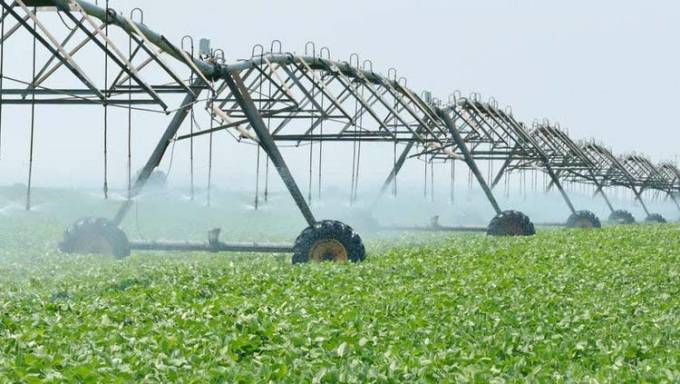
Patience Maturure
Agriculture Reporter
The Government has set a target of 114 570 tonnes of soyabean from 77 000 hectares planted during the 2025-2026 summer cropping season.
The Ministry of Lands, Agriculture, Fisheries, Water and Rural Development 2025-2026 summer cropping plan revealed that an anticipated yield of 1.5 tonnes per hectare is expected.
Soyabean is critical in supporting both the livestock feed industry and the country’s oilseed production.
“The strategic shift from soyabean being regarded as an oilseed crop to a feed crop and the promotion of sunflower and cotton, has reduced the area requirement for soyabean annually from 640 00ha to 240 000 ha,” read the plan.
This season, the bulk of the soyabean crop is expected to be produced through self-funding.
About 50 770 hectares of soyabean will be grown by self-financed farmers with a projected yield of 55 847 tonnes at 1.1 tonnes per hectare.
“The private sector is expected to contribute significantly to soyabean production, with 17 000 hectares anticipated to produce 42 500 tonnes, achieving a high yield of 2.5 tonnes per hectare,” said the Ministry.
Pfumvudza soyabean production is expected to cover 6 230 hectares and yield 8 722 tonnes at a rate of 1,4 tonnes per hectare, while the National Enhanced Agriculture Productivity Scheme (NEAPS) formerly known as Command Agriculture is projected to yield 7 500 tonnes of soyabeans from 3 000 hectares at an average yield of 2.5 tonnes per hectare.
As the global population continues to grow, so does the demand for nutrient-rich crops such as soya beans. Scientifically known as Glycine max, soya beans are one of the versatile and valuable legume crops globally, appreciated for their high protein content and wide application across food systems, animal feed and industrial production.In Zimbabwe, unlocking the potential of soya bean farming could be pivotal to transforming the agricultural sector, boosting rural incomes, enhancing food security and contributing significantly to national economic goals under Vision 2030.



 Online Reporter