mbulelo smpofu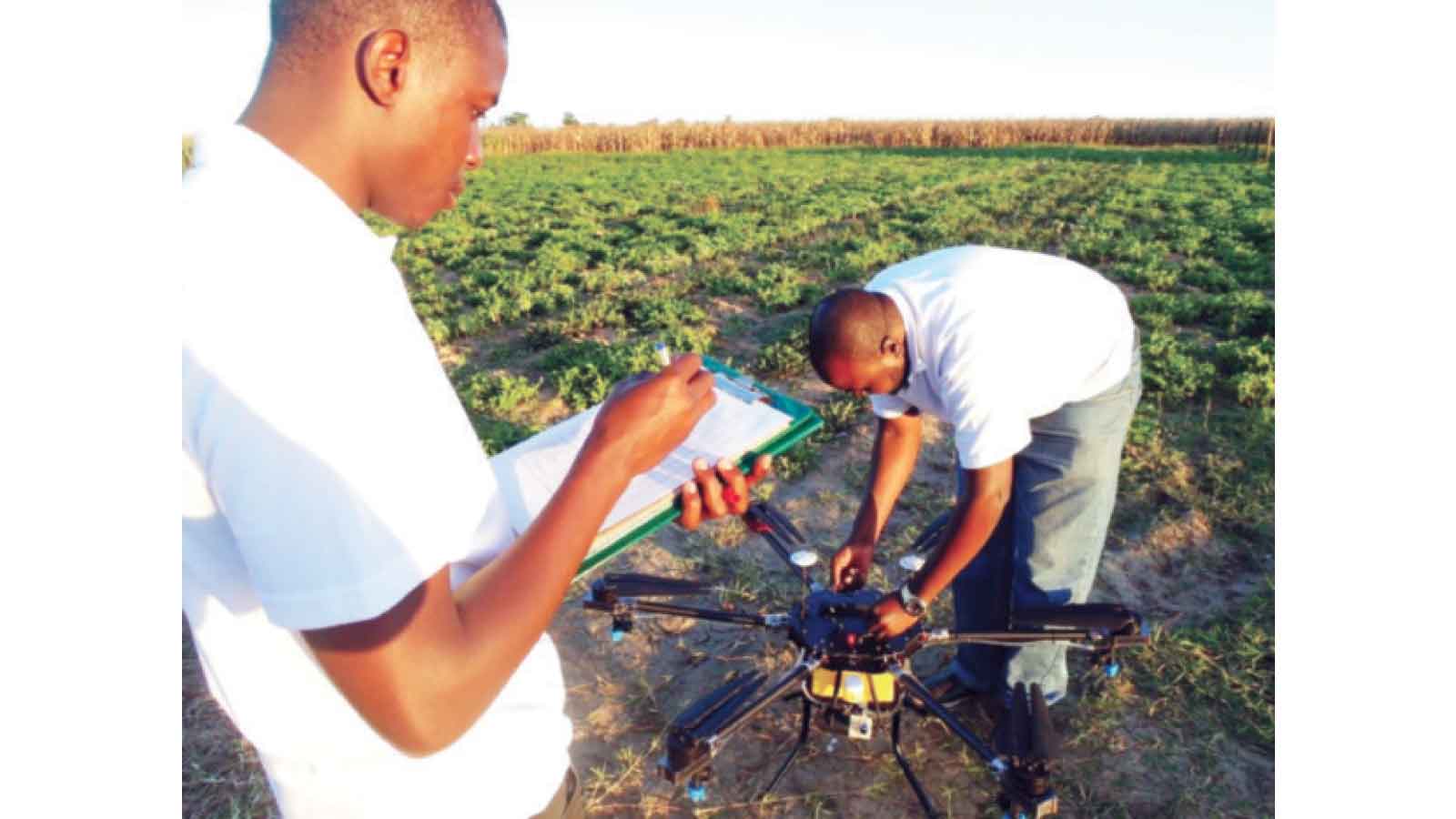
Agriculture supplies food, jobs, and export earnings across Zimbabwe. Fields outside Harare, Gweru, Mutare, and countless rural towns shape the nation’s growth prospects as surely as mines or factories. Yet unpredictable weather, changing markets, and rising input prices leave harvests exposed, and economic hopes can wilt when crops fail.
Economic forecasts – and even lucky numbers for today whispered on trading floors – cannot shield maize, cotton, or livestock from drought or pests. What truly protects yields and creates new income streams is a steady flow of practical innovation that fits local soils, climates, and business realities.
Pressures Challenging Traditional Farming
Climate shifts shorten rainy seasons, equipment parts arrive late, and credit often costs more than a season’s profit. Old routines struggle to meet modern demands, so adoption of smarter methods is no longer optional.
Barriers that Keep Output Low
- Erratic rainfall leaves seed germination to chance, reducing average yields in communal and commercial zones alike.
- Expensive diesel forces some growers to irrigate only part of each block, lowering overall production.
- Outdated storage sheds let heat and pests destroy grain before it reaches milling plants.
- Limited laboratory capacity delays certification, so fresh produce misses flights to overseas buyers.
- Complex loan paperwork discourages smallholders from formal finance, preventing timely input purchases.
Few of these hurdles vanish through effort alone. Purpose-built technology, transparent policy, and market links are required to lift farm performance.
Innovation Turning Obstacles into Opportunity
Research institutes and private entrepreneurs already offer workable tools. Adoption rates continue to rise where training and credit accompany each new product.
Early-maturing maize hybrids harvested a month sooner than traditional varieties help growers escape late-season dryness. Solar pumps lift water cheaply from small dams to drip lines, cutting diesel bills while raising vegetable output. Mobile apps translate satellite data into seven-day pest alerts in Shona and Ndebele, letting cotton fields receive insecticide only when risk peaks.
Two cropping cycles per year now succeed in greenhouse tunnels near Bulawayo, while bio-fertiliser factories in Masvingo convert livestock waste into nutrient pellets. Each success story shows how innovation respects local knowledge while adding modern precision.
Stable progress also relies on supportive finance. Digital lenders examine mobile payment histories instead of fixed land titles, approving seed loans within hours. Transparent produce auctions broadcast real-time prices by SMS, letting growers choose the best collection point and negotiate trucking fees with confidence.
Practical Solutions Creating New Value
- Smart seed varieties bred for heat and disease resistance lift yields without needing extra fertiliser.
- Village mini-grids powered by solar cut post-harvest losses by running communal cold rooms through the night.
- Simple soil test strips reveal pH and nutrient gaps on the spot, guiding fertiliser micro-dosing that saves money and protects rivers.
- Digital traceability tags track produce from field to export crate, satisfying strict supermarket buyers in Europe and the Gulf.
- Agri-maker hubs with 3-D printers fabricate spare parts for planters and pumps, reducing downtime during peak seasons.
When such ideas spread, agriculture no longer resembles a high-risk gamble. It becomes an investable sector able to support manufacturing, packaging, and logistics far beyond the farm gate.
Employment and Export Gains Ripple Outward
Higher yields lift demand for transport, milling, canning, and textile spinning. One new cereal mill in Chitungwiza sources sorghum from three provinces, creating warehouse jobs and purchase agreements that stabilise rural cash flow. Drone operators, data analysts, and irrigation technicians build careers that keep skilled graduates inside the country rather than abroad.
Processed farm goods carry greater profit per kilogram than raw commodities. Peanut butter, sun-dried mango, cotton yarn, and refined sugar secure stronger foreign-exchange earnings and protect against volatile global prices. Innovation thus works as a hedge for the wider economy.
Priorities to Lock In Progress
Government, research institutions, and private partners can accelerate momentum by focusing on five clear goals:
- Expand breeding programs for drought-tolerant and nutrient-dense crops suited to each agro-ecological zone.
- Upgrade feeder roads so trucks reach collection depots even after heavy rain.
- Reduce import duties on renewable-energy irrigation equipment bundled with local repair training.
- Increase laboratory capacity for food safety testing, enabling more horticultural exports.
- Strengthen digital payment regulation to keep mobile credit secure and affordable.
Each goal requires less funding than a new dam yet promises compounding returns through stronger harvests, deeper value chains, and broader employment.
An Engine for Sustainable Growth
Agricultural innovation does not erase every challenge, but it creates resilience against shocks and unlocks paths toward prosperity. With modern seed in the ground, data guiding field decisions, and efficient logistics linking produce to high-value customers, Zimbabwe’s farms can outgrow climate uncertainty and global price swings. Progress on the land feeds factories, stabilises food prices, and widens opportunities for a young population eager to build a secure future at home.
Seeds of change are already sprouting in research plots, demo fields, and start-up workshops. Nurturing those seeds through smart policy and inclusive finance will ensure that tomorrow’s harvests nourish not only rural households but the entire national economy.



 Online Reporter