admin
admin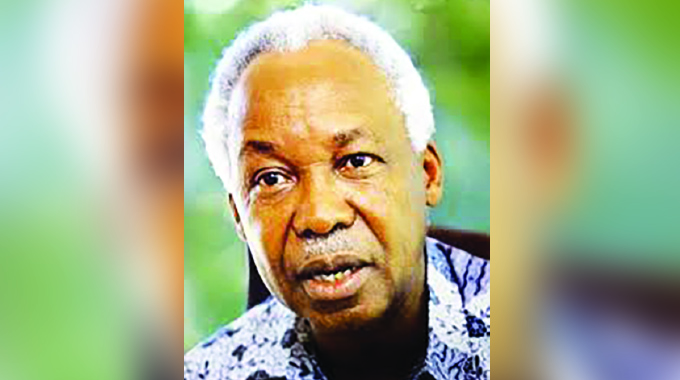
EACH year on May 25, the continent celebrates Africa Day. Just how to celebrate the day is open to broad interpretation. In Zimbabwe, May 25 is a public holiday, while on Senegal’s former slave port, Goree Island, a new movement dubbed “Africans Rising,” was launched in 2017 to reclaim peace, dignity and justice for Africans on the continent and the diaspora.
Elsewhere, there are concerts and ceremonies to mark the day. Africa Day is also celebrated by Africans abroad, as diaspora communities of different nationalities come together in cultural attires and swap traditional recipes.
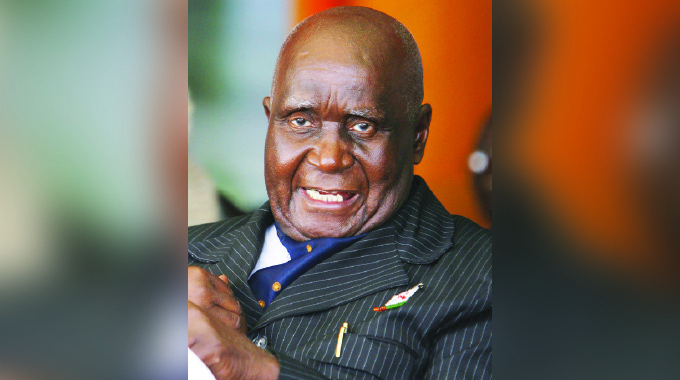
Its origins can be traced back to April 15, 1958 — when the first Conference of Independent African States brought the fathers of Africa’s liberation movements together. At the time, there were few independent African states, but the few leaders in attendance — from Ghana, Ethiopia, Sudan, Liberia and others — were there as a collective platform to reject colonialism and find a common interest.
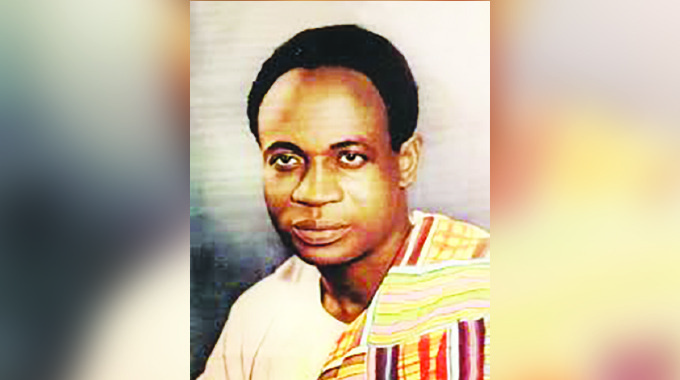
In a way, the meeting was far ahead of its time, imagining an interstate organisation with a shared objective. It sowed the seeds of what would become the Organisation of African Unity (later rebranded in 2001 as the African Union) launched on May 25, 1963 by 32 free nations, led by Tanzania’s Julius Nyerere, Ghana’s Kwame Nkrumah, Sékou Touré of Guinea and Kenneth Kaunda of Zambia.
Every year since, Africa Day has been celebrated on May 25.More than half-a-century later, colonialism is no longer the common enemy. The African Union uses Africa Day to highlight certain development themes. Free travel, and by extension free trade, between countries has been initiated.
A 2014 IATA study projects that opening up to 12 key air routes between countries on the continent will create “an extra 155 000 jobs and $1,3 billion in annual GDP.Some countries have recently relaxed their entry requirements for Africans, as such some progress was recorded in recent years across the continent. (Source: https://qz.com)



 derick.khumalo