Sidumisile Mabena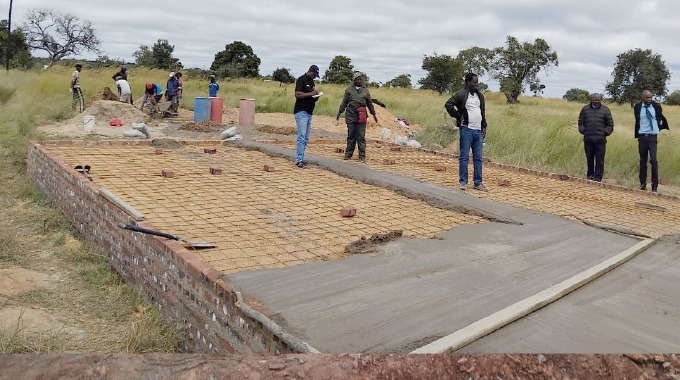
Mthabisi Tshuma [email protected]
EVERY TIME President Mnangagwa repeats his philosophy of “leaving no one and no place behind”, the words roll out not as political poetry but as a promise he seems determined to honour. It is a mantra that has travelled the breadth of Zimbabwe — from the humming borders of Beitbridge to the quiet plains of Plumtree, from the thundering waterfalls of Victoria Falls to the sugar sweet air of Chiredzi, from Mutare’s misty hills to the granite-rich soils of Mutoko. In every corner, his administration has tried to stitch development into the daily lives of ordinary citizens, ensuring that the sacrifices of liberation echo through tangible progress.
For 2026, fate appears to have smiled generously upon the people of Matabeleland South — the rainbow province — with education emerging as one of the most transformed sectors. A wave of hope now sweeps across the region as 40 science laboratories rise from school grounds, each brick and beam forming part of Government-driven legacy projects designed to carry the nation into a future shaped by knowledge.
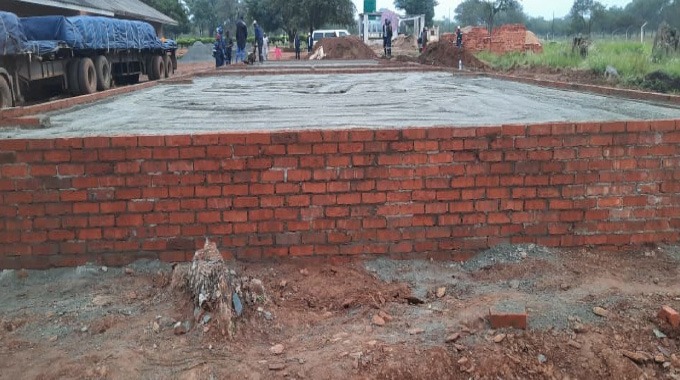
All these facilities are expected to be completed before Independence Day celebrations, which this year will draw the nation’s spotlight to Maphisa in Matobo District.
The symbolism is powerful — a province often spoken about in whispers of neglect now hosting a national celebration while simultaneously receiving investments that equip its children to compete with the world.
The laboratories have been shared evenly across the province’s seven districts. They are designed not merely as buildings, but as vessels of opportunity — places where rural learners can finally touch the world of science and technology instead of dreaming about it from afar.
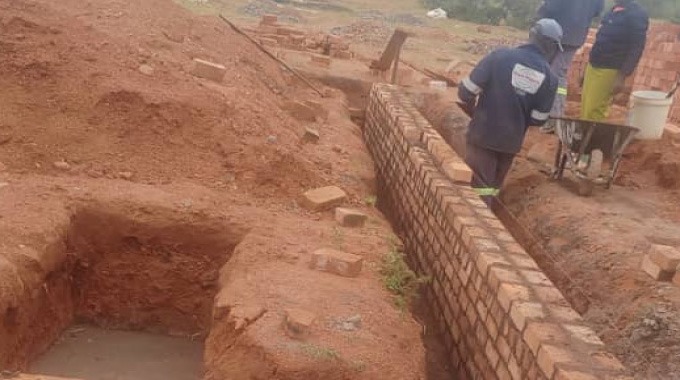
For decades, Matabeleland’s rural schools have wrestled with low enrolment in STEM-based university programmes. Now, hope comes in bricks, mortar and bubbling test tubes.
In Bulilima District, the laboratories are at Nlongwe (substructure construction), Tjemahale (substructure construction), Gwambe (superstructure construction), and Mazwaligwe (backfilling and slab).
Mangwe District’s new laboratories are taking shape at Plumtree High (foundation), Marula (backfilling), Sanzukwi (foundation), Bango (foundation) and Makorokoro (foundation).
Umzingwane District, one of the largest beneficiaries, is witnessing dramatic transformation at seven schools: Irisvale (substructure construction), Shale (footing and substructure construction), Bayethe (footing and substructure construction), Mawabeni (substructure construction), Sihlengeni (substructure), Mbalabala (slab and superstructure) and How Mine (foundation).
In Insiza District, progress is uniform, with all laboratories at slab level at Mkwabeni, Ndola, Avoca, Filabusi and Sibhatha.
Gwanda District adds its own contribution to the growing provincial tableau with four laboratories under construction at Halisupi (substructure), Simbumbumbi (special footing), Maphane (special footing) and Lushongwe (special footing).
Matobo District’s developments include Mqabuko (superstructure), St Anna (substructure), Seula (awaiting materials due to inaccessible roads), Kafusi (footing and substructure), White Water (cabling and roofing) and Lubhango (substructure).
Meanwhile, Beitbridge District — vast and vibrant — stands out as the biggest beneficiary. Its laboratories are under construction at Nuli (footing and substructure), Swereki (awaiting materials due to road challenges), Siyoka (footing and substructure), Chitulipasi (footing and substructure), Malala (footing and substructure), Malungudzi (footing and substructure), Malikuwa (footing and substructure), Tshamnangana (footing and substructure) and Matshiloni (footing and substructure).
Rural Infrastructure Development Authority (Rida) Matabeleland South Provincial Director, Mr Likhwalethu Ndlovu, noted the swift progress with a sense of pride, his words carrying both relief and accomplishment.
“In Bulilima District we expect completion of all labs by March 30, in Mangwe District by April 10, in Umzingwane District by March 30, Insiza District by March 30, Gwanda District by March 28, Matobo District by March 30 and Beitbridge District by April 8. Works are progressing well across the province and we are happy with how communities have stood up to ensure that the projects are completed,” said Mr Ndlovu.
As the scaffolding comes down and the walls take form, the province watches with anticipation. In the rural silence of schools once left behind, the sound of hammers, mixers and builders’ voices signals something profound: a generation is being armed with the tools to dream differently.
Matabeleland South is rising — not through slogans, but through classrooms built to shape tomorrow.
Follow on X :@mthabisi_mthire


 Online Reporter