Online Reporter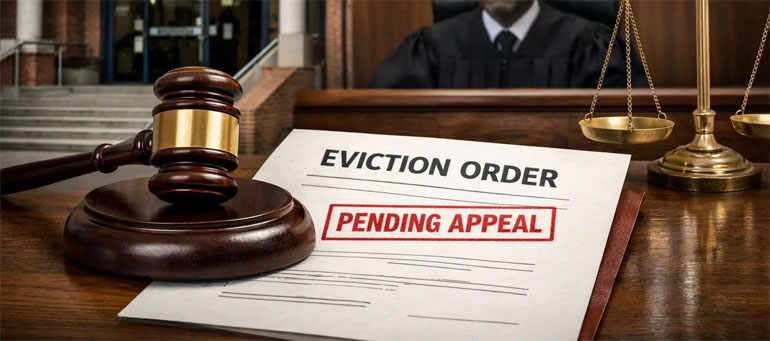
Trust Maanda
Legal Position
IF you are a landlord in Zimbabwe and your tenant has broken the lease, you cannot just change the locks or cut off water.
The law requires a formal process. Getting it right protects you from counter-claims and gets you back possession faster.
Here is how it works. The most common legal grounds of breach are non-payment of rent. This is the Number One reason for eviction. The tenant fails to pay rent on the due date, or pays late consistently. Most leases have a “grace period” of seven to 4 days. After that, it is a breach.
The other reason is breach of lease conditions. (Any material term in your lease). Examples are illegal activities such as using the premises for forbidden purposes.
The other reason is damage to property. Causing deliberate damage beyond fair wear and tear is a basis of breach.
Subletting/assignment without consent is another breach. Letting someone else in without your written permission is a ground of breach.
A nuisance is another reason. Excessive noise, disturbing neighbours, or creating an unhealthy environment may be used as a ground for termination.
Sometimes a lease terminates because of expiry of Lease. Where the fixed term has ended and the tenant refuses to vacate, even with proper notice it is called “holding over.”
Minor issues like one late payment with a good reason are usually not enough for immediate eviction. Courts expect you to act reasonably first.
When evicting you must follow “due process.” Self-help evictions are illegal in Zimbabwe and can get you sued.
Issue a letter of demand/ breach notice. Put it in writing. Deliver by hand with signature, or registered mail so that you have proof.
Indicate the clause of the lease that was breached and the facts of the breach: e.g. “Rent for June, July 2026 unpaid, totalling $X” and what tenant must do to “remedy” it: e.g. “Pay within 7 days”
State that if they don’t remedy, you will cancel the lease and take legal action. For non-payment, give number of days’ notice in the lease. For serious breaches like illegal activity, you can demand immediate remedy.
The second step is to cancel the lease if they don’t fix the breach in the time given.
Send a second letter: “Notice of Cancellation of Lease Agreement.” This formally ends the lease.
From this date, they are now an “unlawful occupant.”
If they do not vacate, apply to the magistrates’ court for an eviction order. If they still don’t leave, you must go to court. You cannot evict them yourself.
The court will set a court date and the tenant will be served. The tenant can oppose. If they don’t oppose and don’t show up, you can get a “default judgment.
If they show up, the court hears both sides and makes a ruling. If the court rules that they should vacate, the tenant is evicted though a warrant of ejection,
If the court grants the eviction order and the tenant still doesn’t leave by the date given, you apply for a warrant of ejection.
The Sheriff of the Court or Messenger of Court will then come with the police, if needed, to physically evict the tenant and their belongings.
Don’t use self-help by cutting water, electricity, changing locks, or removing belongings. That is a criminal offence.
Protect yourself upfront by having proper and strict lease agreements.
Most eviction problems come from a weak lease.
Make sure your lease is in writing and signed and clearly lists: essential terms like rent amount, its due date and grace period.
List what counts as breach so that you can identify the basis of cancellation. You must also state the notice periods and how they can be given.
It is good for the parties to agree on which court will have jurisdiction, eg that the tenant consents to jurisdiction of the magistrates’ court.
You should state the scale at which costs will be paid by the losing party. This is because there are various scales of costs that the parties bear in the event of litigation. If parties agree in advance, the losing party will be liable to the other party in costs which will reimburse the expenses of litigation.
Trust Maanda is a legal practitioner and a partner at Maunga Maanda And Associates. He writes in his personal capacity. He can be contacted on +263772432646