Online Reporter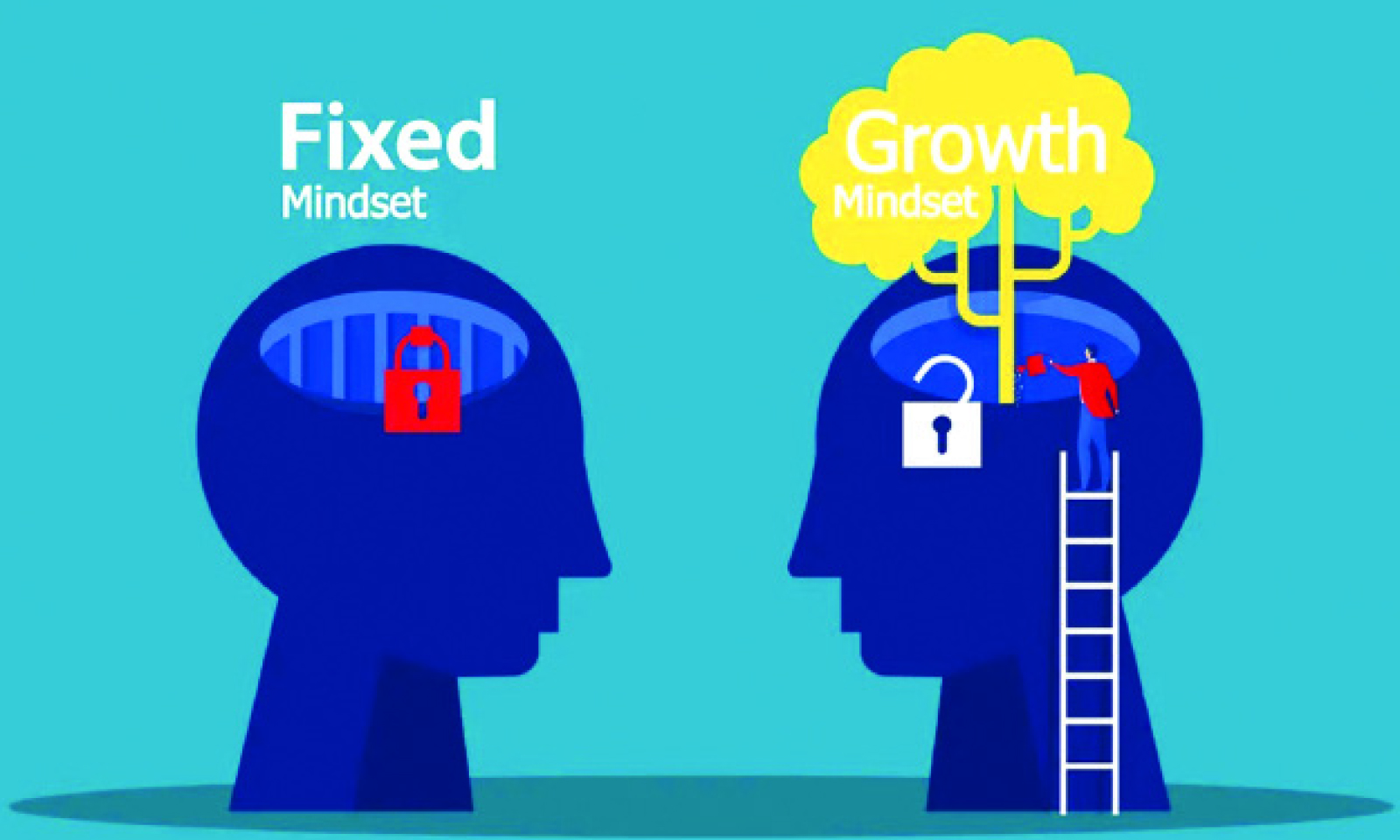
Arthur Marara-Point Blank
Success can often be a double-edged sword.
While reaching noteworthy milestones is a cause for celebration, it can also instigate a dangerous tendency to rest on our laurels.
This complacency, often overlooked, is a silent saboteur that can leave businesses vulnerable to stagnation and decline.
The paradox is that the very achievements that should propel us forward can instead lead to a sense of satisfaction that limits our ambition.
So, how do we counteract this tendency? The answer lies in cultivating a growth mindset—a perspective rooted in the belief that abilities and intelligence can be developed through dedication and hard work. Embracing this mindset fosters resilience, adaptability, and a continual desire to learn, all of which are essential for long-term success.
Many people are likely familiar with the ways a growth mindset can transform individual performance and enhance team dynamics.
If you missed my previous article on this compelling subject, I invite you to catch up on the Saturday Herald website or pick up a hard copy.
This week, however, I want to shift our focus to the practical side of things: the actionable strategies you can implement to actively develop a growth mindset within your team and organisation. It is not just about recognising the importance of growth; it is about embedding it into the very fabric of your business culture..
Start where you are
The journey to a growth mindset begins with self-awareness. Take a moment to reflect: Do you have a fixed mindset or a growth mindset? Be honest with yourself. A fixed mindset believes abilities are static, while a growth mindset thrives on the belief that skills and intelligence can be developed through effort and learning.
Ask yourself:
Do I shy away from challenges, or do I embrace them as opportunities to grow?
Do I view failure as a setback or as a stepping stone to improvement?
Understanding where you are is the first step toward transformation.
Redefine Failure
We have all heard the phrase, “Failure is not an option.” But what if I told you that failure is not only an option but a necessary part of growth? Failure is not a sign of inability—it is proof that you are trying, learning, and pushing boundaries.
In business, innovation and progress often come from trial and error. If you are not failing, you are not innovating. Embrace failure as a teacher, not an enemy.
Reflect on what went wrong, learn from it, and use those lessons to fuel your next attempt.
Remember, failure is not the end of the journey—it is part of the process
Mind your language and actions
The words you use and the actions you take shape your reality. Do you catch yourself saying things like, “I’m no good at this” or “She’s just naturally talented”? These phrases reflect a fixed mindset.
Instead, adopt language that fosters growth:
“I’m not great at this yet.”
“She’s clearly put in a lot of effort to become so talented.”
Surround yourself with people who embody a growth mindset. Their words and actions will inspire and challenge you to grow.
Reflect daily
Make it a habit to reflect on your day—both your successes and your failures. Celebrate your wins, but do not stop there. Deliberately analyse your failures:
What did not work?
Why did it not work?
What can I learn from this experience?
The goal is not to dwell on failure but to extract lessons that propel you forward. Growth happens when you turn setbacks into stepping stones.
Stop seeking approval
If you live to impress others, you will spend your life feeling inadequate. Seeking approval from others turns you into a slave to their expectations. Instead, focus on your goals and stay true to your vision.
Do not make being right your objective—make learning and growing your priority. Recognise when you are chasing approval rather than growth, and remind yourself to stay on course.
Be comfortable with the discomfort that comes from stretching beyond your comfort zone. That iswhere growth happens.
Celebrate the success of others
The success of others is not a threat—it is an opportunity to learn. When someone around you succeeds, celebrate them! Ask yourself:
What did they do differently?
What can I learn from their journey?
Success leaves clues. Study the habits, decisions, and actions of successful people. Connect with them, ask questions, and apply their lessons to your own journey.
What will you do to grow?
Developing a growth mindset is not a one-time event—it is a lifestyle. It requires intentionality, reflection, and a willingness to embrace challenges and failures.
As a business leader, your mindset sets the tone for your organisation. By fostering a growth mindset, you not only guard against complacency but also inspire your team to innovate, adapt, and thrive.
So, I ask you: What will you do today to cultivate a growth mindset?
Arthur Marara is a dynamic and multifaceted professional—a corporate law attorney, keynote speaker, peak performance coach, and corporate strategy speaker. With his delightful humour, raw energy, and wealth of life experiences, he captivates audiences and inspires them to unlock their full potential.
Duly admitted by the High Court of Zimbabwe to practice as an Attorney, Notary Public, and Conveyancer, Marara is a highly seasoned Corporate Law Attorney with a proven track record of excellence in the legal field. His extensive experience and passion for corporate law enable him to navigate complex legal landscapes and deliver exceptional, tailored solutions to clients. Marara is renowned for his in-depth understanding of corporate legal matters and his ability to provide strategic counsel that drives favourable outcomes. His unwavering commitment to excellence and client success has earned him a stellar reputation in the industry.
Feedback or inquiries, please contact:
Email: [email protected]
Phone: +263 772 467 255