Online Reporter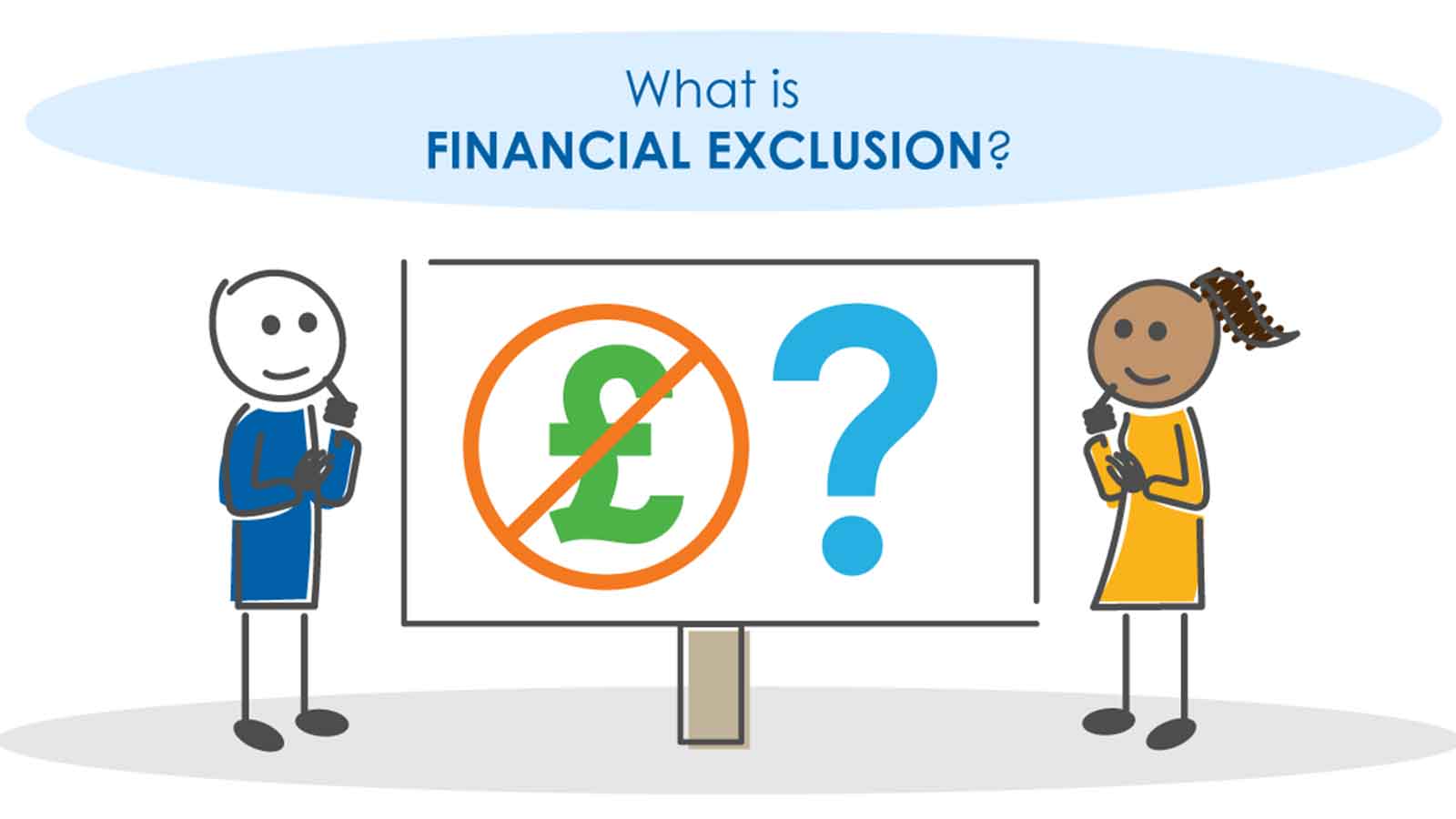
Nixon S. Chekenya and James Dambaza
There are some inherent contradictions in Zimbabwe’s economy.
We have banks, mobile money platforms and financial institutions, yet millions of Zimbabweans, especially in rural areas and the informal sector, remain outside the formal financial system.
This is not just a banking problem; it is a development issue in Zimbabwe and many parts of Africa.
Across the country, smallholder farmers, vendors and informal traders drive economic activity.
But many lack access to affordable credit, savings facilities and
insurance.
Instead, they rely on cash and informal lending systems that limit growth.
The result is simple: People are working, but the economy is not fully growing with them.
The scale of this exclusion is staggering.
According to the Reserve Bank of Zimbabwe (RBZ), fewer than 30 percent of Zimbabwean adults held a formal bank account as of recent estimates.
However, even that figure flatters the reality on the ground, where account ownership does not always translate into active usage.
In the rural provinces of Mashonaland, Matabeleland and Manicaland, entire communities conduct their financial lives entirely in cash, rotating savings clubs, as well as word-of-mouth credit arrangements with neighbours and relatives.
These are not signs of backwardness; they are signs of a population that has found its own way to survive in the absence of a system designed to serve it.
Financial exclusion reduces productivity. A rural farmer without credit cannot invest in inputs.
An informal trader without savings cannot expand.
A small business without insurance remains vulnerable to shocks.
Traditional banks are not designed for this majority.
They require collateral, payslips and formal records — things most informal workers do not have.
To its credit, the RBZ has not stood still.
The RBZ’s National Financial Inclusion Strategy has been a commendable act of institutional foresight, recognising, at the highest level of monetary authority, that a banking system which excludes the majority of its citizens falls short of its potential.
The regulator has opened the door.
Through tiered Know Your Customer requirements, the licensing of agent banking and the formal recognition of mobile money as a legitimate financial channel, the groundwork has been carefully and deliberately laid.
The architecture exists.
What is now required is for commercial banks, microfinance institutions and fintech players to walk
through that door with urgency and purpose.
The RBZ has shown the way; the opportunity now belongs to those institutions bold enough to serve the unserved and understand that in doing so, they will not only help grow Zimbabwe’s economy but grow their own balance sheets in the process.
So, the question is not whether Zimbabwe has banks.
The question is whether our banking system works for our economy.
The future lies in inclusive finance.
Microfinance institutions, agent banking and mobile platforms must be expanded and strengthened.
Financial services should be built around how people actually live and work — not the other way round.
As Professor Arthur Mutambara once argued, the way you service New York is not the same way you must service Soweto or Harare.
Agriculture must also be central for the obvious reason.
Farmers need seasonal loans, input financing and insurance (or microinsurance at the basic level) that match their production cycles.
Linking finance to agriculture can unlock rural productivity.
Two groups deserve special attention in this conversation: women and young people.
Women constitute the backbone of Zimbabwe’s informal economy.
They dominate the market stalls of Mbare Musika, the cross-border trading routes to Beitbridge and the small-scale agricultural operations across communal lands.
Yet they are disproportionately excluded from formal finance, often because assets are registered in male names, because social norms discourage independent financial activity or simply because no institution has thought to design a product around their circumstances.
Similarly, Zimbabwe’s youth bulge represents both a challenge and an opportunity: a generation digitally connected and entrepreneurially minded, yet without the credit history or collateral to access capital.
Financial inclusion that deliberately targets these two groups will not only be more just; it will be more effective.
Technology offers another opportunity.
Mobile money has already changed how people transact using many platforms such as EcoCash and Omari.
The next step is to use it for savings, credit and insurance.
But innovation alone is not enough.
Trust matters.
Trust is currency.
Many Zimbabweans have lost confidence in financial institutions due to past instability.
Rebuilding trust requires consistency, transparency, patience and protection of people’s money.
If Zimbabwe gets this right, the rewards are significant.
Financial inclusion can drive investment, strengthen resilience and support economic growth. More importantly, it empowers citizens.
The future of the economy will not be built only in banks.
It will be built in markets, farms and small businesses where Zimbabweans are already working hard every day.
None of this will happen through goodwill alone.
The banking sector itself must recognise that the unbanked are not a charity case — they are an untapped market.
The collective savings flowing through Zimbabwe’s informal rounds run into billions of dollars annually.
The transactions processed daily by vendors in Harare’s central business
district represent real economic velocity.
A bank that figures out how to intermediate these flows to capture them, grow them and deploy them productively will not be performing a public service; it will be making a sound business decision.
The opportunity is hiding in plain sight.
What Zimbabwe needs now is the institutional imagination to see it.
What is needed now is a financial system that works with them.
Nixon Chekenya is a PhD student, distinguished graduate student fellow and teaching and research assistant at Texas Tech University, while James Dambaza is a PhD candidate at the University of the Free State (SA). The two wrote this article for The Sunday Mail in their own capacity. Their views do not reflect those of their institutions.