


 Online Reporter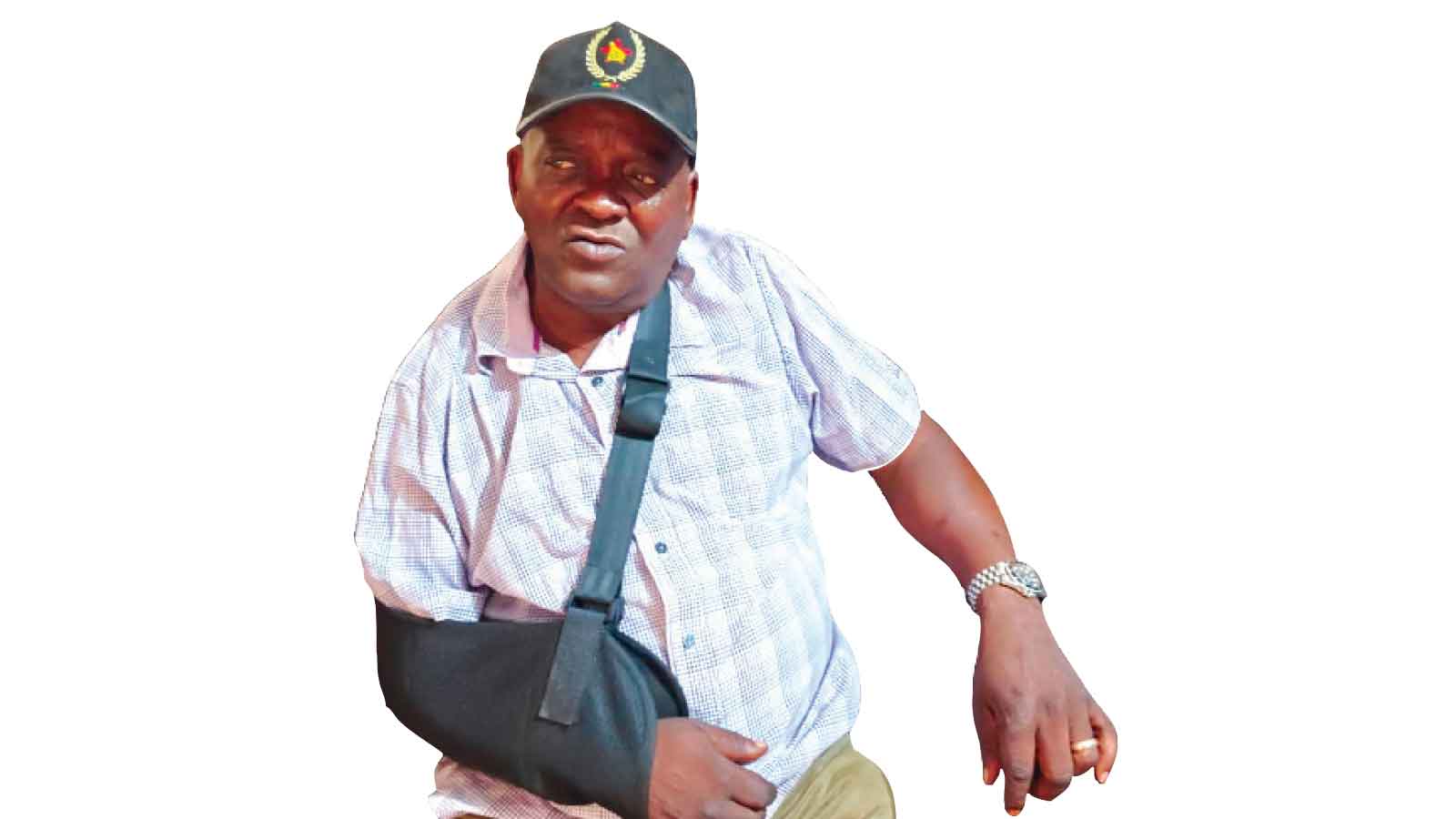
Chronicles from the 2nd Chimurenga
Cde Cossam Mutsinze, who was known by the Chimurenga name Cde Ignatius Toda Zimbabwe, last week detailed his experiences in Tanzania and Zambia between 1975 and 1976, including his narrow escape during the ostensible purge of liberation fighters in Zambia. This week, he tells Zimpapers Politics Hub’s KUDA BWITITI about the role he played in the liberation struggle, navigating the high-stakes world of intelligence.
********************
Q: When did you arrive in Mozambique?
A: It was sometime in early 1977.
Q: Describe the atmosphere upon your arrival in Mozambique and the process that led you to the intelligence department.
A: Soon after our arrival, the ZANU leadership was already waiting to begin a rigorous selection process. They were looking for a specific calibre of cadre to fill specialised roles. They separated us based on academic merit, asking those with Form Four passes and above to stand aside. As I had passed my secondary level with flying colours, I was placed in an elite group destined for the ZANLA Intelligence Department. The leadership wanted to ensure that the “brains” of the movement were positioned where they could analyse, vet and secure the revolution. So, that’s how my journey began to become an elite member of the war veterans who did not serve at the front, but at the rear, in the intelligence department.
Q: Was this a large group, and who were some of your peers selected into this specialised unit?
A: It was a very small, exclusive group. Most of the other comrades who were not selected with us were posted to the frontlines because they lacked the necessary qualifications for the specified intelligence roles. I made it on merit. We were stationed at Chaminuka Training Camp in Mozambique, the nerve centre for security and intelligence, located in Manica province. Among those I was selected with was the current Minister of Women Affairs, Community, Small and Medium Enterprises Development, Cde Monica Mutsvangwa. Other comrades were Cdes Matutu, Zizi, Mukanduri, Cossam Zviuta and Aby Ticharwa Mubako. Initially, there was a plan for us to be deployed to Ethiopia for aviation training, but that did not materialise, so we were integrated into the security structures at Chaminuka. Before becoming fully fledged intelligence operatives, we underwent a rigorous vetting and training process.
Q: Tell us about this vetting and training process. What did it entail?
A: It was brutal. Chaminuka was the main security base where every activity was centred around vetting and counter-intelligence. One of our trainers and commanders, Cde Tsuro, was particularly ruthless. Because he wasn’t highly educated, he seemed to have an inferiority complex, fearing the “educated ones” might take his position.
We were interrogated relentlessly. They suspected everyone of being a spy. They would mock us, saying, “You are too intelligent to be a guerrilla; why didn’t you take a scholarship? You must be a plant.”
We were constantly beaten and harassed. The relentless beatings and harassment were, in truth, a crucible that was designed not to break us, but to forge an unbreakable resolve. In our world, a single flaw on one’s record was a fatal disqualification. We had to prove, beyond all doubt, that we were not sellouts. Only then, with our loyalty etched in pain, were we finally trusted to become fully fledged intelligence officers.
Q: Given that the Chaminuka Camp was a strategic area, was it not targeted by the Rhodesian Security Forces?
A: Yes, it was targeted. In one incident, the Rhodesian Security Forces besieged our bases using a deadly method: first, reconnaissance via spotter planes; then heavy air raids; followed immediately by ground forces to finish off survivors.
During this bombing of the Chaminuka base, Cde Didymus Mutasa and Cde Kumbirai Kangai, who were part of the ZANU political leadership, were visiting on a routine assessment. Cde Kangai was the Secretary for Welfare and Transport, and he was an important figure in mobilising logistical support. When the planes hit and the ground forces began to close in, panic set in. In the chaos, I saw the two leaders attempting to climb a tree to hide. It was an injudicious decision born of sheer terror. A tree is a death trap when ground forces are sweeping the area.
Q: How did you assist them?
A: I shouted at them, “Get off there! Follow me!” They were my superiors, but in a moment like that hushefu hunopera; they had to put aside their high ranks. In the face of imminent danger, rank is a luxury.
They had to listen to my command. I knew the terrain and the enemy’s movements. I led them away from the tree and guided them in a specific direction to evade the approaching infantry. If they had stayed in that tree, they would have been spotted and shot instantly or captured for torture. As a member of the elite forces at the rear, it was my duty to protect the leadership, and I am grateful that on that day, I was able to lead them to safety. Afterwards, they were so appreciative and we remained good friends.
Next week, Cde Mutsinze concludes his narrative by chronicling his activities in the ZANLA Intelligence Department. He will explain how his duties brought him under the intelligence supremo himself, President Mnangagwa.



