malvernmugadzikwa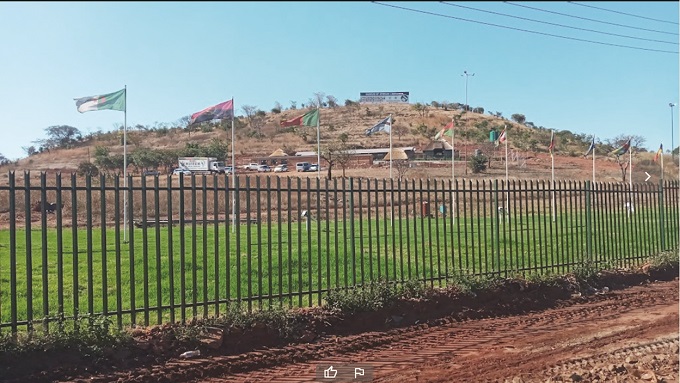
GLOBALLY, the role of museums in tourism branding is to promote knowledge through experiences generated from the exhibition of artefacts, collections and learning resources.
Charles Mavhunga
Museums are the custodians of artefacts and other objects that have a cultural, historical and scientific importance to a people.
In Zimbabwe, the Museum of African Liberation is the centre for collections and learning resources of African heroes who fought to free the continent from the shackles of colonialism and apartheid.
The museum is meant to plug the knowledge gaps about Africa and its people.
The invasion and domination that came with colonialism distorted Africa’s cultural values and reputation.
Africans were forced to drop their real names in favour of those imposed by settlers. These names affected the dignity and confidence of Africans.
The African brand, therefore, lost its proper texture and lustre.
However, Pan-Africanists managed to rewrite the script.
They include Kwame Nkrumah, Nelson Mandela, Julius Nyerere, Patrice Lumumba, Jomo Kenyatta, Thomas Sankara, Nnamdi Azikiwe, Joshua Nkomo, Ndabaningi Sithole, Oliver Tambo, Herbert Chitepo, Robert Mugabe, Josiah Magama Tongogara and Samora Machel.
These people sacrificed their entire lives to fight for liberation.
In the diaspora, the Pan-Africanists included Henry Sylvester Williams, Marcus Garvey, George Padmore and Peter Abrahams.
They preached the importance of liberation and self-determination.
It is, therefore, against this background that the Museum of African Liberation curates artefacts of African heroes who sacrificed to liberate Africa.
The growing demand for Africa to become liberated in politics, economics and technology, as well as in the social sphere, is rooted in the spirit of Africanism and patriotism.
Threats to Africa still exist, hence the need for Africans to be knowledgeable of their history through exhibitions.
For example, in Zimbabwe, the land reform programme attracted sanctions that weakened the economy.
However, production is now in the hands of new farmers, who are performing very well.
The Museum of African Liberation in Zimbabwe, therefore, serves as a source of information for Africans to understand their background in order to shape the future.
It reminds Africans to be conscious of their dignity in the globalised world.
The museum also promotes the practice of sharing knowledge in African innovations and promoting cross-institutional collaborations.
For example, certain colonial names continue to haunt Africa.
In Zimbabwe, the name Victoria Falls should be changed to Mosi-oa-Tunya (Shungu Nyamutitima).
Such distortions continue to disrupt the African heritage and values.
The design of the Museum of African Liberation by the Institute of African Knowledge is, therefore, important in globalising African values.
Africans must also develop the confidence to introduce their own currency to liberate themselves from neocolonial influences.
Charles Mavhunga co-authored textbooks in business enterprising skills and is currently studying for a PhD in Management at Bindura University of Science Education. He can be contacted at: [email protected]/ Cell: 0772989816.



 Online Reporter