

 admin
admin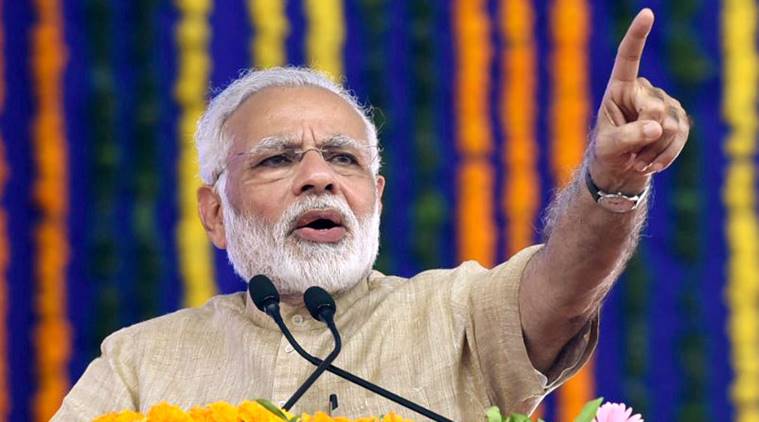
NEW DELHI, June 20 – Indian Prime Minister Narendra Modi on Saturday launched an employment scheme for the welfare of migrant labourers who had returned home from major cities amid the lockdown imposed to control the COVID-19 since March 25.
Titled “Garib Kalyan Rojgar Abhiyaan” (Poor Welfare Employment Campaign) worth 50,000 crore Indian Rupees (6.7 billion U.S. dollars), the scheme would benefit the migrant labourers who had returned to their native places in states like Bihar, Jharkhand, Uttar Pradesh, Rajasthan, Odisha, and Madhya Pradesh.
A list of 25 works and activities, such as construction of highways, village council buildings, farm ponds, wells, community sanitation centers, rural houses, and plantation works, solid and liquid waste management works, among others, have been targeted to be priority projects to ensure employment for these migrant labourers.
A total of 116 districts across the above mentioned six states have been identified for this scheme.
Addressing the chief ministers of the six states through video-conferencing after launching the scheme, Modi said that skill mapping of the rural migrant labourers is being done to help them work closer to their homes.
According to the prime minister, the campaign focuses on building a durable rural infrastructure and providing modern facilities like internet in the villages. It would also promote self reliance among these migrant labourers which, in turn, would eventually lead to a “Self-Reliant India,” Modi said.
Rendered jobless due to the lockdown which brought all manufacturing and trading activities to a grinding halt for around two months beginning March 25, millions of migrant labourers sought to return to their respective native places. Without transport facilities available, a lot of them took their journey home on foot and walked long distances, as much as 2,000 km, from cities like Delhi, Mumbai, Bemgaluru, Chennai, Hyderabad, among others.
The exodus is still going on as the sectors they worked in, mostly small, medium and micro enterprises in the service industry, are still not open or running much below their optimum capacity. Enditem. (Xinhua)



 Online Reporter