Online Reporter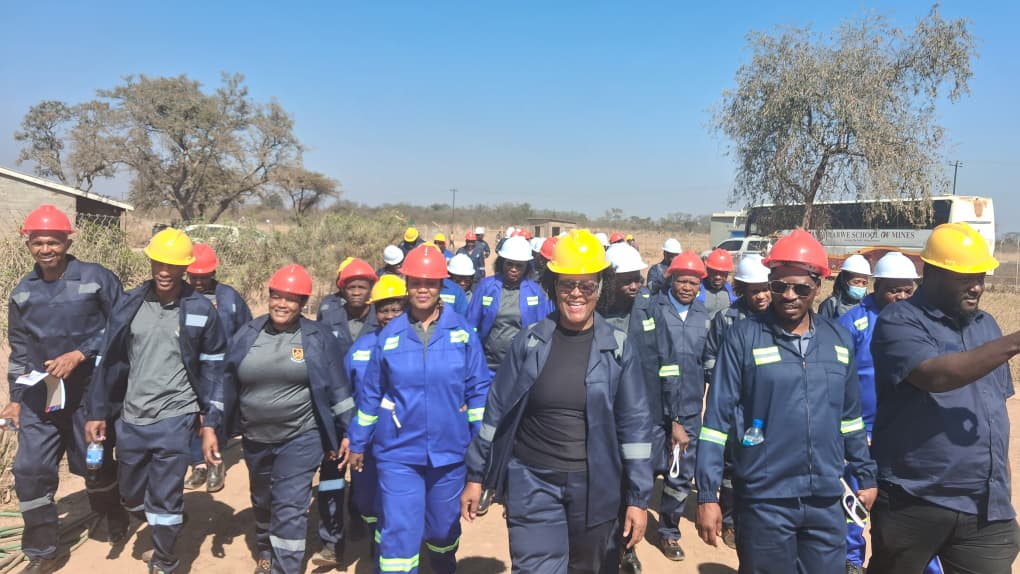
Eliah Saushoma [email protected]
BULAWAYO — The Zimbabwe Indigenous Miners Association (ZIMA) has partnered with the Zimbabwe School of Mines to equip indigenous miners with modern technical, managerial and technological skills aimed at transforming the country’s artisanal and small-scale mining sector into a safer, more productive and sustainable industry.
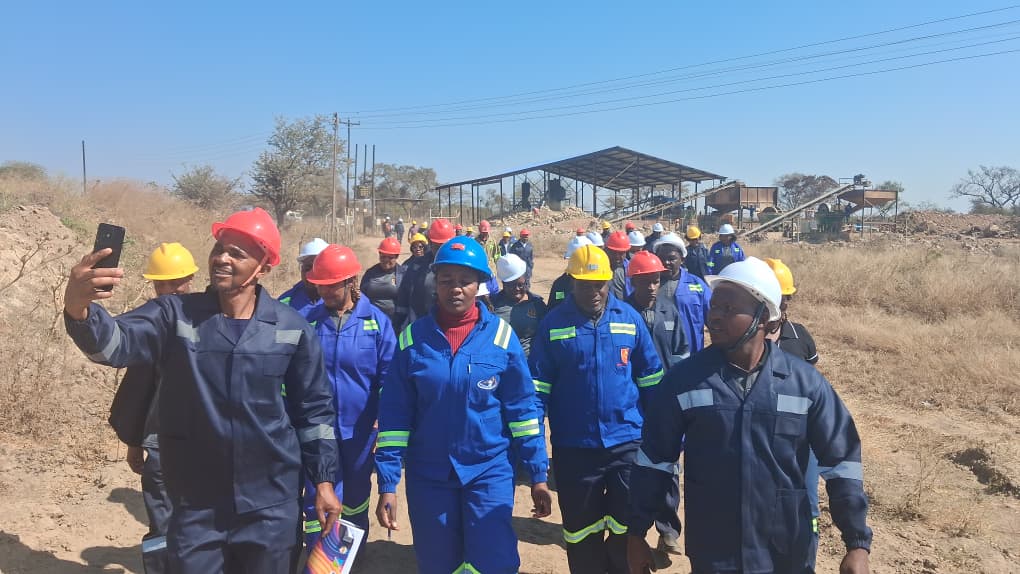
The partnership recently saw ZIMA national executive members and representatives from across the country’s provinces undergo an intensive “Train the Trainer” capacity-building programme focusing on responsible small-scale mining.
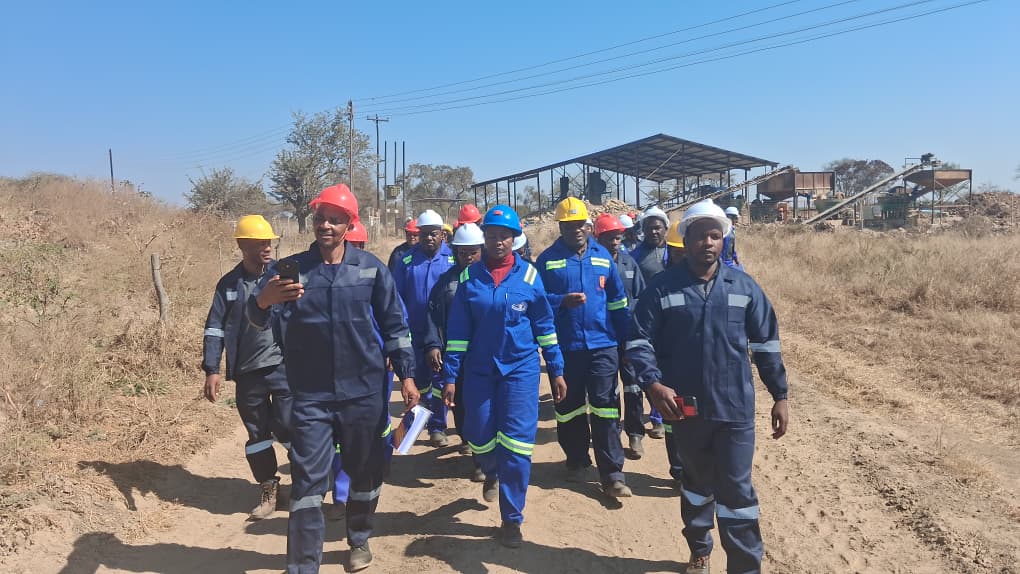
Organised by ZIMA Secretary-General Mr Dadiso Brian Maseva, the programme is expected to enable participants to transfer the knowledge and skills acquired to miners in their respective provinces and communities.
Mr Maseva said the initiative reflects Government’s drive to empower indigenous miners through skills development and innovation.
He expressed appreciation to President Mnangagwa for creating opportunities that enable indigenous miners to access specialised technical education.
“The programme is anchored on Zimbabwe’s Education 5.0 model, which integrates teaching, research, community service, innovation and industrialisation to promote economic development,” said Mr Maseva.
“Education 5.0 is transforming mining from a purely extractive activity into a modern, knowledge-driven and value-adding industry.
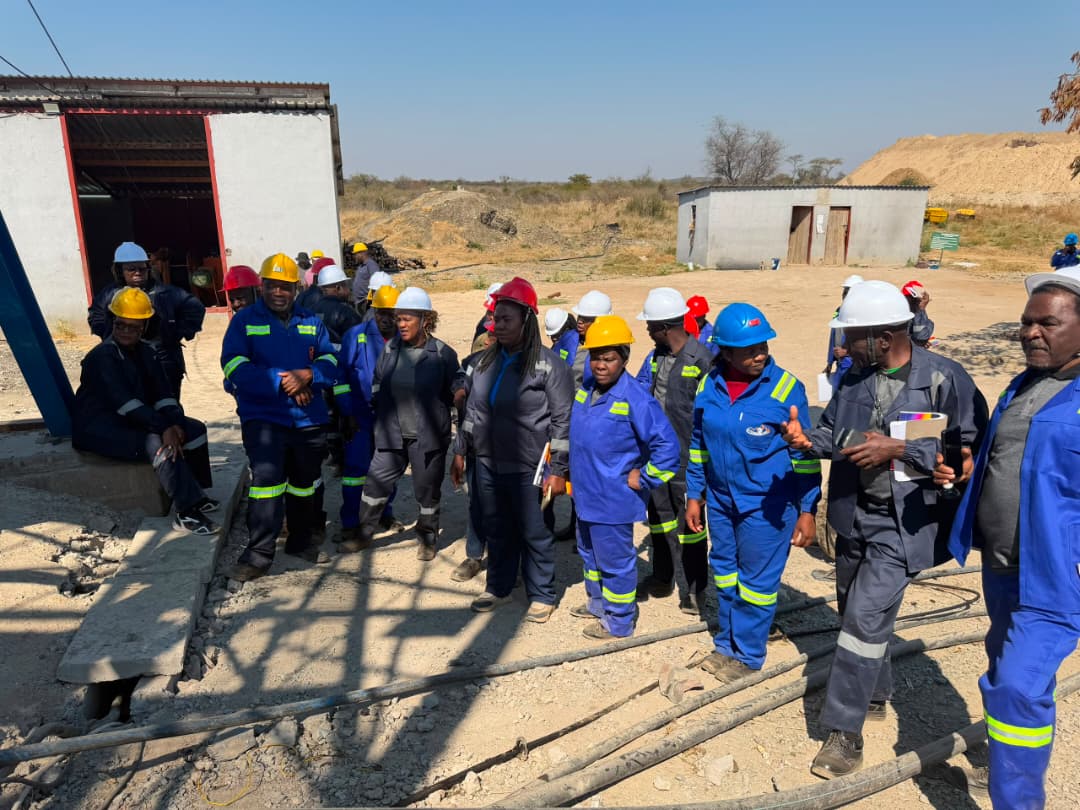
“This programme empowers indigenous miners to embrace responsible mining practices, improve safety standards and build highly productive operations that contribute meaningfully to national development.”
The curriculum combined technical mining knowledge with business and management skills designed to strengthen the capacity of small-scale miners.
Participants received training in responsible mining methods, drilling and blasting techniques, occupational health and safety, environmental management, quality management systems, financial management, marketing and business sustainability.
The programme also emphasised mineral beneficiation and value addition, encouraging miners to process minerals locally to increase revenue, create employment opportunities and support industrial growth.
Participants further explored strategies for strengthening partnerships between Government, financial institutions, academic institutions and the private sector to improve access to funding, technical expertise and sustainable community development.
Recognising the growing importance of technology in the mining sector, the workshop introduced participants to Fourth Industrial Revolution (4IR) innovations that are reshaping global mining operations.
Training covered the application of Artificial Intelligence (AI) in geological analysis, Geographic Information Systems (GIS), satellite-based mineral exploration, drone technology, Internet of Things (IoT) sensors for environmental monitoring and equipment management, as well as the use of big data analytics for production planning.
Participants were also introduced to blockchain technology as a tool for improving mineral traceability, transparency and secure transactions across the mining value chain.
By selecting representatives from all provinces, ZIMA aims to ensure that the knowledge gained reaches mining communities throughout the country, supporting inclusive growth and improved mining standards.
Association leaders said the initiative aligns with Zimbabwe’s Vision 2030, the National Development Strategy 2 (NDS2) and the country’s drive to position indigenous miners as competitive players in a modern, technology-driven mining industry.
They said the partnership with the Zimbabwe School of Mines marks an important milestone in professionalising artisanal and small-scale mining while promoting safety, environmental stewardship, innovation and sustainable economic development.