Online Reporter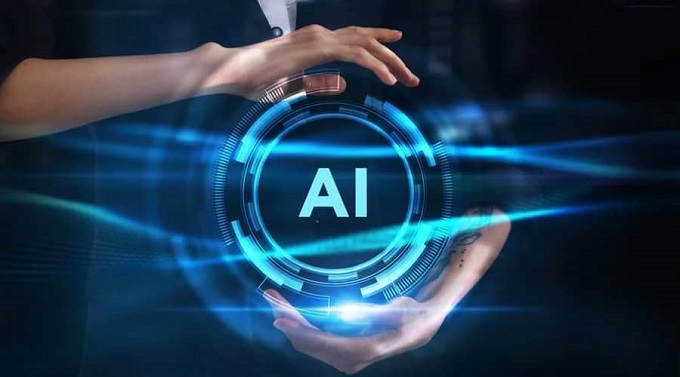
ARTIFICIAL intelligence continues to make its presence felt in the music industry, changing the way songs are created, produced and distributed.
While some musicians see AI as a tool that can help speed up certain parts of the creative process, others remain concerned about what it means for originality, ownership and the value of human creativity.
The conversation has been especially heated in South Africa, where artists such as Nanette and Filah Lah Lah have publicly spoken out against the growing use of AI in music.
Nanette previously argued that AI is no substitute for human creativity, while Filah Lah Lah questioned whether musicians are being told their years of dedication and craft are being reduced to something that can be replicated by technology. The new revelation has added another layer to the debate.
According to Doreen Mokoena, founder and CEO of Cybersec Clinique, an audit of major artificial intelligence training datasets found that the work of hundreds of South African artists appears in publicly documented datasets used to develop AI music systems.
Sharing the findings on X, Mokoena wrote: “The biggest export South Africa never authorised may be its culture.
“Our audit of major AI training datasets identified dozens of South African artists appearing across publicly documented training corpora used to develop the next generation of AI music systems.
“As artists, rights holders, and policymakers begin to examine the scale of this practice, it may prove to be one of the most significant data laundering controversies the global music industry has ever faced.”
The findings came after music industry executive Lindiwe Dhlamini pointed to a searchable database published by “The Atlantic”, which allows users to search music that was reportedly used by technology companies to train generative AI models. According to Cybrsec Clinique’s audit, more than 200 South African artists across genres, including Amapiano, Kwaito, Maskandi and Gqom, were identified in the datasets.
“More than 200 South African artists across Amapiano, Kwaito, Maskandi, Gqom and more were sampled. To my shock, even Mashamplane and Mawlies didn’t survive.
“AI companies are looting our culture without consent or pay. Colonial data theft in our lifetime will not be accepted. Urgent policy reform is needed,” Mokoena added.
Amapiano heavyweight Kabza De Small was found to have the biggest presence across the audited AI training datasets, with frequent collaborator DJ Maphorisa also ranking among the most-used South African artists. – iolnews.com.