Online Reporter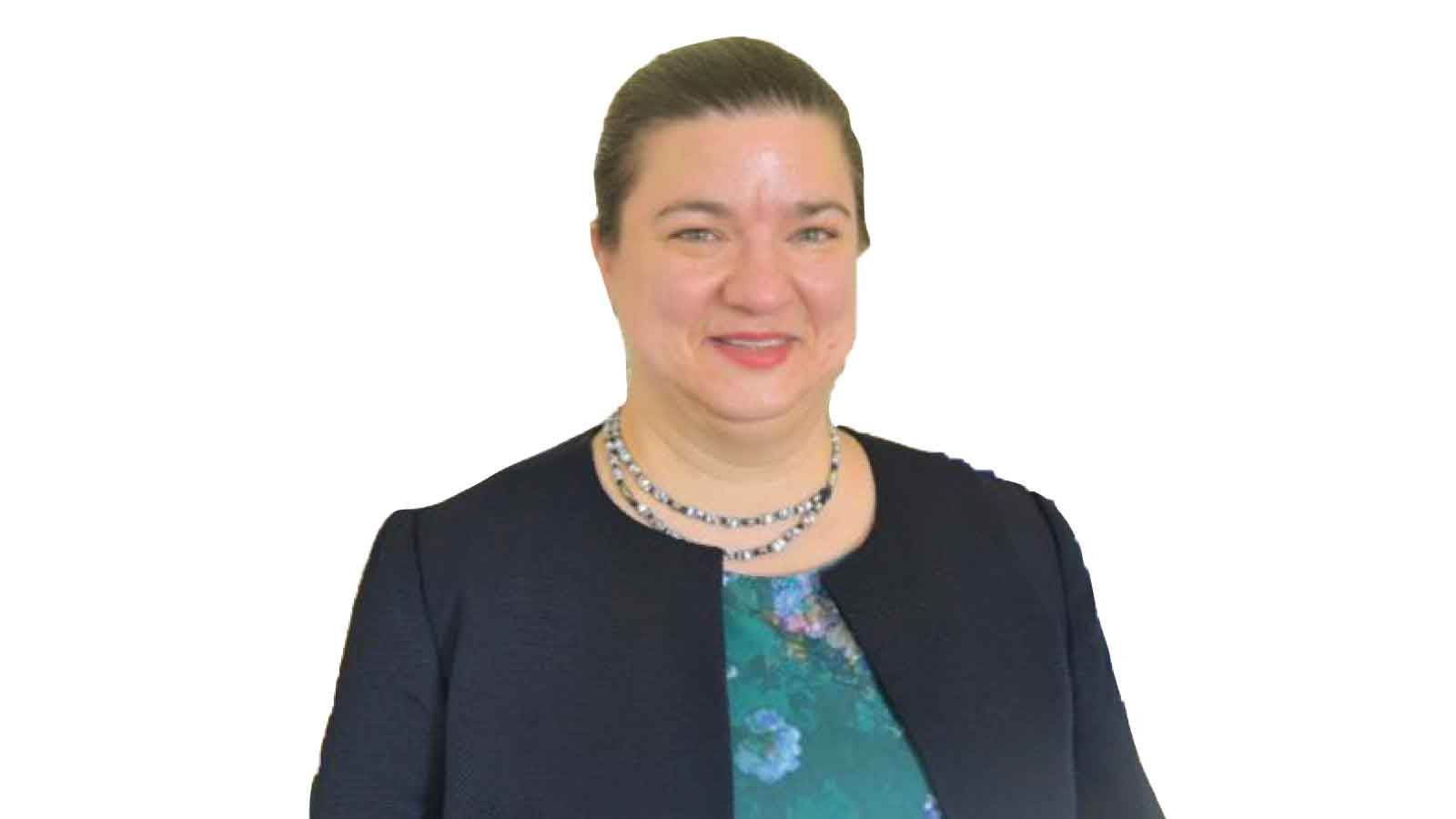
Point Blank!
Newly accredited European Union (EU) Ambassador to Zimbabwe KATRIN HAGEMANN held her first “Meet the Media” engagement at her residence in Harare. During the event, Zimpapers reporter WALLACE RUZVIDZO also managed to engage her. Below are excerpts from the question-and-answer session.
**********
Q: What do you make of the country following the recent resumption of your tenure?
A: There are things that I think are going well and there are other things where we are looking a bit more critically. As I said, we continue to support Zimbabwe along its path where we have shared interests and values, and that may not always be the case.
I think there is an honest willingness to engage. Certainly, in the areas of clearance on the economic front, we see a real willingness to try to make the necessary reforms. Some of them are not easy for the Government; I think we do need to acknowledge that.
Zimbabwe is a very rich country in its resources. In principle, the wealth is there for the country to develop.
To some extent, it has to get into the budget, if I may say so, and then to the people. That’s where we have to see how we can continue to have that discussion with the Government. I think the areas are a big step forward on this one, and that’s why we are focusing so much of our work on helping Zimbabwe on that front.
Q: What is your take on the proposed Constitutional amendments?
A: For us, I think it’s important that any changes to the Constitution are done on a constitutional basis . . .
There are presidential systems; there are parliamentary systems. Countries have different ways to govern themselves, and it’s valid for a country to think about how one should be governed, whether five years is enough for a president or it should be seven years, whether there should be term limits or not.
We have often been very strong in pushing term limits in Africa. I come from a country where there are no term limits. Angela Merkel was around for a very long time, so it was always a bit of an awkward one to say. So, in that sense, it’s a perfectly valid point to discuss.
We have no say in this. I am going to be here for four years and can easily leave. It’s for you to decide . . .
Q: What are the EU member states’ position in terms of Zimbabwe being open for business and what remains as an impediment?
A: I think there is real interest to invest in Zimbabwe, and there are things that are seen as positive. I think what I kept hearing as impediments that remain is sort of how, more generally, do you repatriate your profits in the end? If you are investing here, you are doing that also because you somehow want to have some profits out of this, and I am not saying that we are only there to just take things out of the country.
I think there is much more of a willingness to also invest, not just machinery, but then also into the people than maybe some other countries are. So, I think it’s not seen purely as just taking things out, but in the end, it is a company that wants to make profit, and they want to be able to get that out of the country. And that’s been one of the things that continues to be a difficulty for companies; that’s what we are hearing . . .
The other thing . . . is the indigenisation law, with additional sectors being announced . . . In general, I think that there is a recognition that there are sectors that maybe Zimbabwe does want to protect for a certain while for its own population.
And I think that’s recognised, and, to some extent, most countries have done this at one time or another.
It is just that most countries have forgotten that they used to do this.
This is how South Korea exploded in terms of its development, and even if you are looking at European countries around the First World War and after, there was quite a bit of this.
So it is, per se, I think, a legitimate thing to think about.