Chronicle Editor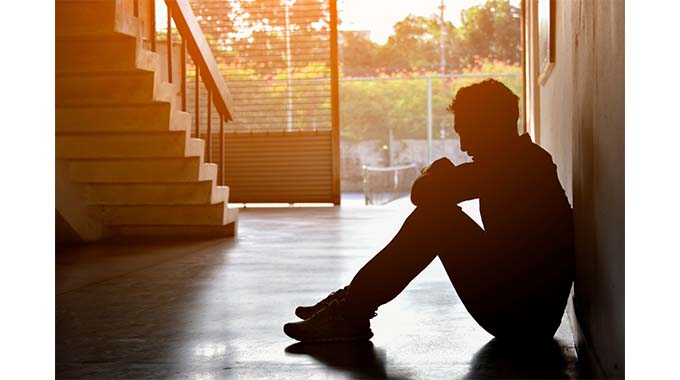
Andile Tshuma
The past week headlines painted a sad picture with a number of suicides recorded around the country.
Ironically, we are still in the suicide prevention month.
September is a time to raise awareness about suicide and helping prevent it. it is about those living with mental or behavioural health issues and to help reduce the stigma so many experience.
Most people can name lots of ways to measure physical health. Mental health is harder to define. We know what it’s like to be happy, sad, angry, or content. Sometimes we are just somewhere in-between.
Mental wellness amongst women and men has become a public health concern that begs attention, especially considering the rising cases of depression, violent crimes and suicide.
A man’s toughness is seen as closely tied to physical and emotional strength and invincibility.
Being told to be a man throughout one’s upbringing and also in adulthood reinforces the idea that men ought to be tough and deal with issues on their own.
There is widespread social expectation that men must never rely on other people, talk about their feelings, or seek help for their physical or emotional health.
Most men particularly find it hard and unnecessary to seek mental health assistance or counselling services.
The latest available data from the World Health Organisation shows that Zimbabwe has the 34th highest suicide rate in the world and the fifth in Africa, behind Lesotho, ESwatini, South Africa and Botswana respectively.
In the last five years, more men committed suicide as compared to women, according to a mental wellness organisation, Create Zim.
Padare/ Enkundleni men’s forum on gender senior programmes officer Mr Ziphongezipho Ndebele recently said the state of mental health among men in the country was worrying and called for a shift in men’s health seeking behaviours.
“You will realise that mental illness is most common in men because they do not seek help and do not share their problems. Many men are battling with depression. It is real. We really need to reach out more and and share the message that it is ok not to be ok. If you look at the suicide statistics in recent years, they will reveal a worrying trend and show you that we are indeed in a crisis,” Mr Ndebele.
Global and regional health institutions and bodies must adopt specific global commitments, and accompanying frameworks and strategies to better address the links between masculinity and poor health seeking behaviours.
A growing number of people are resorting to suicide due to social pressures in Bulawayo, as police have bemoaned the high rate of suicide cases in the city, also affecting juveniles.
People normally consider suicide when undergoing social pressures, when they feel like failures or even when their families break down. It is therefore important for families to be on the lookout for suicidal tendencies as suicide can be prevented.
Communities must be on the lookout for depression or other psychiatric issues that trigger suicide.
A local psychiatrist said most suicide cases are dominated by men owing to the belief that a macho man should bottle things up even if social pressures are affecting them.
According to medical experts, serious cases of depression can be effectively controlled with modern drugs and other medical techniques, however it is necessary that those who are drifting into suicidal depression are identified and referred to competent medical practitioners or psychiatry specialists as soon as possible.
Police in the city have also expressed concern at the alarming suicide rates in the city and called for community members to consider counselling before taking their own lives.
Surveys from around the world show that most men everywhere struggle to open up about mental health, yet they are significantly more at risk of attempting suicide than women.
The World Health Organisation (WHO) 2018 report states that in high income countries, three times as many men as women die by suicide.
However, reports show that men are less likely than women to seek mental health support or therapy when facing problems.
The WHO 2018 reports outlines that cultural stigma surrounding mental health is one of the chief obstacles that hinder people from admitting that they need help.
This stigmatisation is particularly pronounced in men.
Prescriptive age old ideas about gender and expectations are also behind the leading cause of mental health issues in men, which end up leading to suicide.
The report goes further to say that many feel embarrassed to seek formal treatment for mental health issues, which often leads to some of them contemplating suicide.
Talking about mental health is not something that tends to come up readily in social environment, such as discussing a game of football. Everyone wants to create the image that their house is in order and all is well, which in many cases can be an illusion.
Family members must offer support when they note suspicious trends that may point to a family member going through depression.
Self-medicating with alcohol, and other substances is a common symptom of depression among men and this can exacerbate mental health problems and increase the risks of developing other health conditions. Family members must try and find ways of offering support without being confrontational. This could save a life.
Policy makers and other responsible entities must strive for better and more effective mental health education so that Zimbabweans, particularly men, can find it easy to seek help, and to know that there is no shame in seeking health services.
It is important to disrupt how men traditionally think about depression and suicide, by breaking the stigma that surrounds these topics.
Another way to do away with stigma around mental health is to treat our mental health facilities differently.
Sometimes families are to blame.
Once someone has mental health problems, they are dumped at facilities such as Ingutsheni Central hospital and left there, with nobody caring to go and visit and hold their hand in their recovery process, yet seeing familiar people and surroundings may help quicken someone’s recovery journey.
The more we treat our mental health centres as places of hope and refuge and not places to go and leave social outcasts, we could change the tide on social perceptions on mental health. One may consider seeking help and nit taking their life.
No one is immune from going through mental health episodes or depression. We must all be ready to extend a helping hand to one of us in need, as we may need the same assistance tomorrow.
There should be no shame in seeking mental health services and seeking help when one is depressed. Suicide and violence are not the answer as such acts only transfer the pain to loved ones. — @andile_tshuma



 Online Reporter