


 malvernmugadzikwa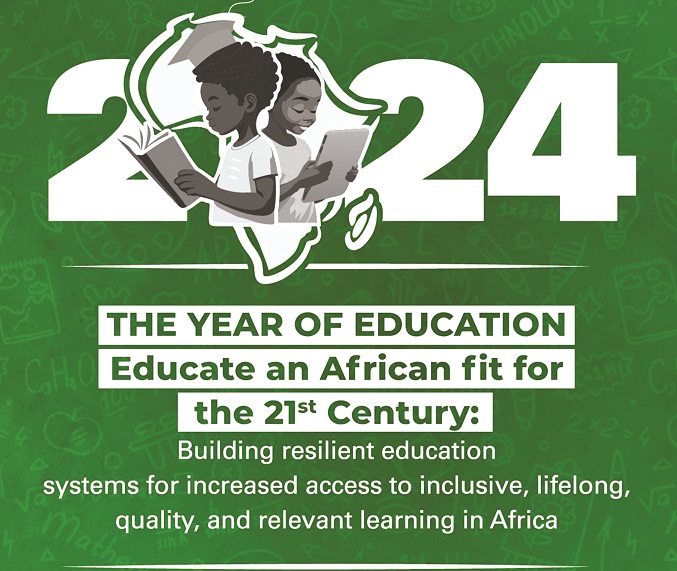
Munyaradzi T. Nkomo
ON September 8, 2024, the world commemorated International Literacy Day.
This prompted the need to recognise Zimbabwe’s dedication to educational excellence, which is a beacon of hope.
It is important to value the power of literacy in transforming lives and communities.
We honour the remarkable progress made in Zimbabwe’s education sector.
Through the Ministry of Primary and Secondary Education’s leadership and contribution of partners such as the Education Development Trust (EDT), the country is making significant strides in addressing foundational literacy and numeracy gaps.
The education sector is on a positive trajectory towards breaking the cycle of learning poverty.
The World Bank reports a staggering statistic: 90 percent of African children are unable to read with understanding by the age of 10.
This alarming figure casts a shadow over the continent’s prospects.
It is deeply concerning that many 10-year-olds, typically in school, lack the fundamental skills of reading, writing and basic math, which are essential for building advanced skills and future learning.
This crisis is known as learning poverty, highlighting the urgent need for improved educational outcomes.
But what exactly is “learning poverty”?
This phenomenon has been defined globally, and it refers to the inability of children to read and comprehend simple texts by the age of 10 — a critical juncture in their educational journey.
It is vital to ensure that a child has the capacity to acquire essential skills like literacy and numeracy.
The World Bank defines learning poverty as the proportion of children who, by the end of primary school (around age 10), cannot read and understand a brief age-appropriate text.
However, this definition overlooks the equally important aspect of numeracy skills, which are also a critical foundation for learning.
Amidst the dire outlook on Africa’s future, there is a glimmer of hope as the continent confronts this pressing concern.
The African Union’s declaration of 2024 as the “Year of Education”, under the theme “Educate an African fit for the 21st Century”, marks a significant step forward.
This renewed focus is prompted by the global education crisis and the lagging progress towards Sustainable Development Goal 4 (quality education), underscoring the need for collective efforts to empower African children with 21st-century skills.
Recently, the African Union and UNICEF launched the “End Learning Poverty for All Africa” (ELPAf) campaign code-named “Can Read, Can Write, Can Count: Foundation4Life”. The campaign is urging education stakeholders to act and make targeted interventions a top priority in the fight against learning poverty.
This initiative is not only well-timed but also a proactive approach to addressing the growing issue of learning poverty, which was further aggravated by the Covid-19 pandemic.
Quality education encompasses multiple dimensions, but a crucial aspect is the acquisition of fundamental skills at an early age.
To lay the groundwork for quality education, it is essential that learners master basic reading, writing and numeracy skills by the time they complete the infant module, spanning from early childhood development to Grade Two in the Zimbabwean education system.
This solid foundation is vital for future academic success.
As we strive for a world where everyone can reach their full potential, it is imperative that we address the pressing issue of learning poverty.
Millions of children are unable to acquire even basic literacy and numeracy skills, perpetuating a cycle of disadvantage that can last a lifetime.
Learning poverty is a solvable problem, but it requires collective action and a commitment to prioritising education.
We must recognise that education is not only a fundamental human right but also a critical driver of economic growth, social mobility and individual empowerment.
It is heartening that the Ministry of Primary and Secondary Education is already spearheading the drive of equipping learners with the requisite foundational skills.
The ministry is working with several partners such as EDT.
Under the leadership of the Ministry of Primary and Secondary Education, the UK-funded Teacher Professional Development component of the Teacher Effectiveness and Equitable Access for All Children (TEACH) programme has achieved remarkable success in addressing the critical issue of foundational literacy and numeracy gaps among learners in Zimbabwe.
Since November 2023, 69 236 teachers from 42 rural districts have been empowered with strategies on catch-up and remediation teaching methods, leveraging ministry structures and robust approved training guides.
These districts, which previously struggled with pass rates of less than 20 percent in the 2021 Grade Seven examinations, are now poised for transformation.
This extensive initiative is already scoring big in 5 322 schools in the country.
There have been reports that show that the schools are reducing the number of non-readers and non-numerate learners.
In one of his field visits to Tsholotsho district, Minister of Primary and Secondary Education Mr Torerayi Moyo commended schools like Tshabanda High for embracing the concept of continuous teacher professional development from the TEACH programme.
This is a step in the right direction.
More resources and partnerships are needed to break the learning poverty cycle.
It is time to act!
Munyaradzi Nkomo is the communication officer for EDT in Zimbabwe. He also oversees EDT Sub-Saharan Africa digital platforms. He writes in his own capacity.



 Bongani Ndlovu
 Online Reporter