Online Reporter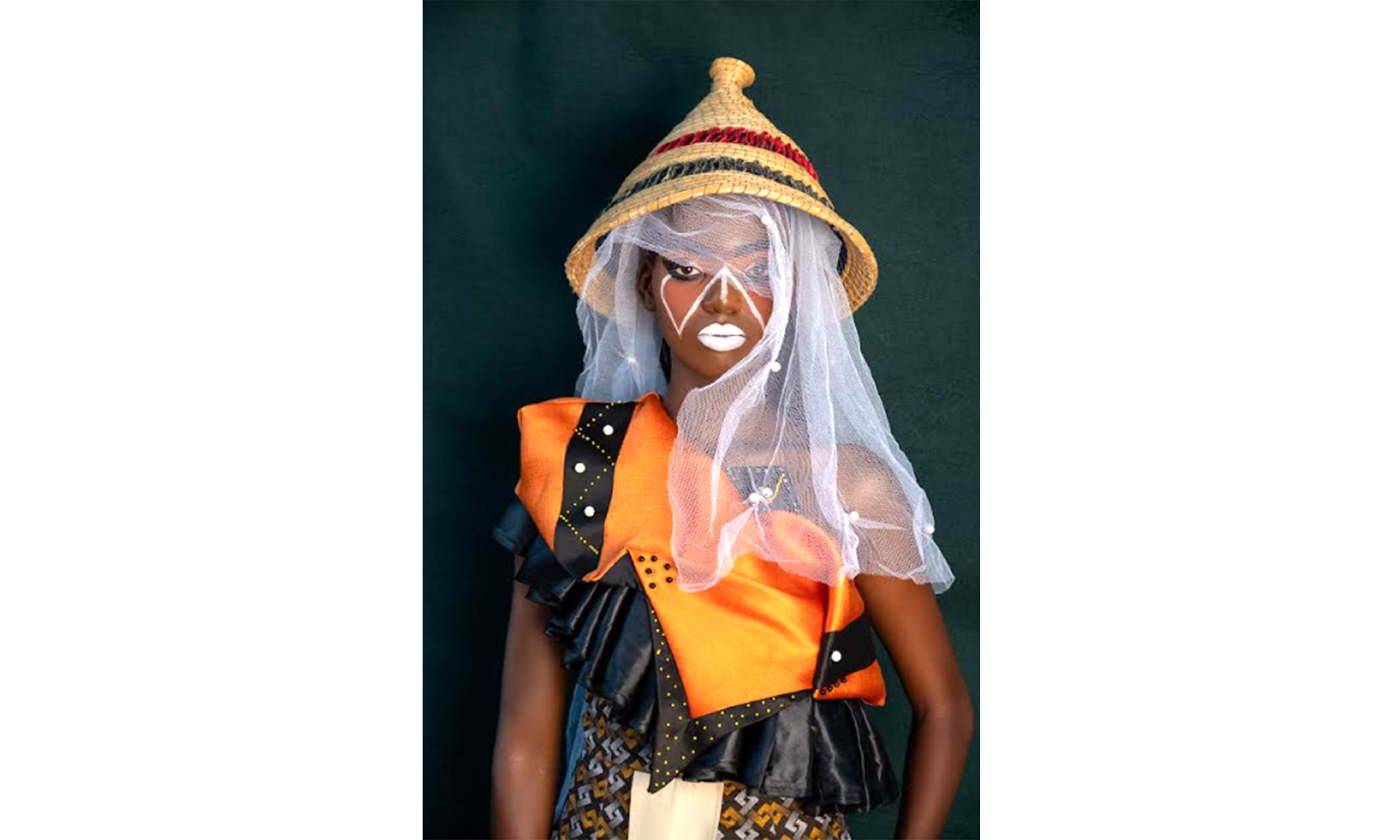
Mbulelo Mpofu
Zimpapers Arts and Entertainment Hub
THE #IWearMyCultureZW campaign is charting new territory.
What began as a bold fashion and cultural documentation project featuring 10 of Zimbabwe’s ethnic groups has expanded its reach, now spotlighting 14 communities in a bid to deepen the nation’s cultural narrative.
Spearheaded by Paper Bag Africa, in partnership with cultural curator Gilmore Qhawe Khumalo, better known as Gilmore Tee, the initiative blends fashion and film to preserve and celebrate Zimbabwe’s ethnic diversity through research-driven design.
At its core, #IWearMyCultureZW is more than a fashion project, it is a national memory bank, using design and digital storytelling to ensure that Zimbabwe’s diverse heritage lives on for generations to come.
Launched in 2023 at the National Gallery of Zimbabwe (NGZ) in Bulawayo, the project has grown to include the Chibarwe, Ndau, and Chewa communities.
The Shona group has also been given more depth, with two designers exploring its varied sub-ethnic identities.
“This expansion reflects our commitment to showcasing Zimbabwe’s full cultural tapestry. Each designer interprets the research into fashion pieces that honour heritage while speaking to the present,” said Gilmore Tee.
The cultural fashion spotlight will turn to Bulawayo and Harare from August 28 to 30 for the I Wear My Culture Fashion Weekend, a three-day cultural experience showcasing 14 designers, panel discussions on fashion as an archival tool, and dialogues on blending traditional aesthetics with contemporary design.
“In the same spirit as productions like Shaka iLembe, we aim to balance historical authenticity with modern fashion expressions. Audiences will witness how tradition inspires future-forward design.”
This year’s designer-ethnic group pairings include Ncominkosi Sibanda (Venda), Charmaine Nziradzemhuka (Nambya), Brightman Dlamini (San), Penelope Lacha (Ndau), Mbongisani Dube (Tonga), Ropafadzo Mapira (Ndebele), Leeroy Sam Mapungwana (Chibarwe/Sena/Hwesa), Kundai Caryn Mangena (Kalanga), Ray Enders (Chewa), Noliwe Mhlope (Sotho), Nkululeko Ncube (Xhosa), Langelihle Ndlovu & Nonhlanhla Ncube (Shona subgroups), and Tadiwa Karidza (multi-cultural approach). As the project evolves, it carries the legacy of the late cultural historian Pathisa Nyathi, whose guidance was instrumental in shaping the early phases.
“Ubaba uPathisa Nyathi will always be part of this journey. Fortunately, we captured audio-visual content from our work together. His wisdom lives on,” said Gilmore Tee. — Follow on X @MbuleloMpofu