Online Reporter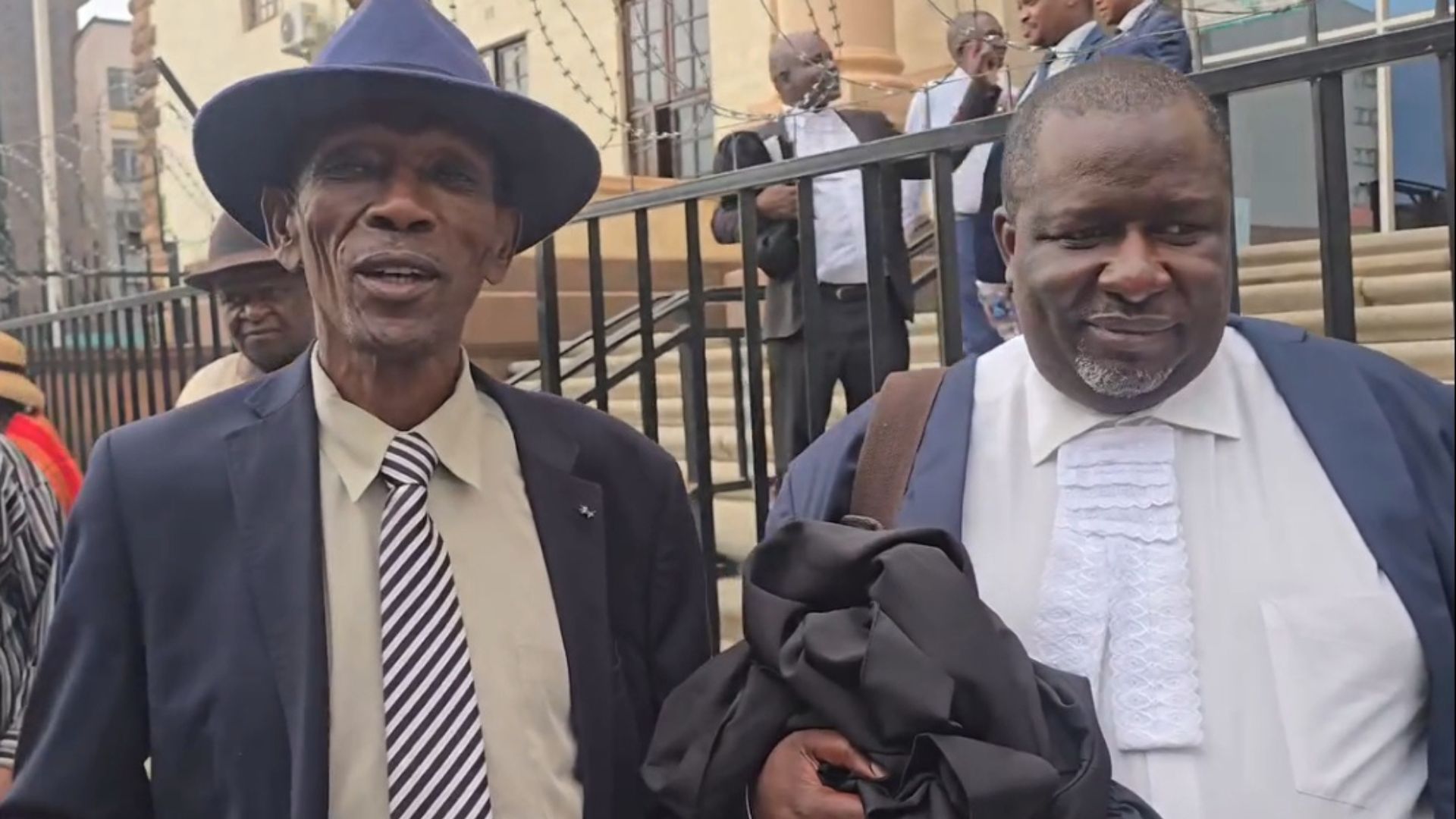
Peter Matika, Senior Reporter
THE Bulawayo High Court on Monday ruled in favour of Mr John Khumalo in the ongoing Mabhikwa chieftaincy wrangle, setting aside the appointment of Ms Zanele Khumalo as Regent Chief Mabhikwa.
Ms Khumalo was appointed as regent chief this year in Lupane, Matabeleland North province.
The judgment was delivered by Bulawayo High Court Judge Justice Mposeni Dube, who remitted the matter back to the Chief’s Counsel, arguing that the courts have no jurisdiction in handling matters concerning appointments of traditional chiefs or regents.
The court also said the appointment of Ms Khumalo was improperly done as some chiefs in her clan overrode the Mabhikwa-Khumalo family input.

According to Justice Dube, the court also noted that the appointment from the President, speaks of the appointment of a regent, instead of a substantive chief.
The dispute stems from the succession process following the death of youthful Chief Vusumuzi Khumalo in 2022. After his passing, Ms Zanele Khumalo was appointed as regent to preside over the chieftainship on behalf of the late chief’s son, Wayne Makhosemvelo Khumalo, who was nine years old at the time of the appointment.
However, 32 members of the Mlonyeni-Khumalo-Mabhikwa family challenged the appointment through their lawyers, Mr Solomon Mguni of Dube, Mguni and Dube Legal Practitioners, who was the instructing lawyer to Advocate Kucaca Phulu, arguing that the selection of Zanele was irrational and unreasonable.
In the court application, Local Government and Public Works Minister Daniel Garwe was cited as the First Respondent, National Council of Chiefs president Chief Mtshane Khumalo as the Second, chairperson of the Matabeleland North provincial assembly of chiefs Chief Siansali as the Third,
Ms Zanele Khumalo as the Fourth, and President Mnangagwa as the Fifth Respondent.

The applicants also accused the Chief Nkalakatha-led Government delegation that handled the succession meetings of bias and conflict of interest.
In his founding affidavit, John argued that Zanele’s installation created a situation in which two people — including himself — were effectively acting chiefs in the same area, despite the fact that the Traditional Leaders Act and the Constitution of Zimbabwe do not recognise the position of regent chief.
He added that the Mabhikwa chieftaincy dispute dates back to December 2009 when the High Court outlined the lawful process for succession within the Mlonyeni Khumalo chieftaincy.
John argued that the required selection procedures were disregarded.
“The Traditional Leaders Act and the Constitution of Zimbabwe prescribe a structured process for the appointment of a Chief. This process was ignored, and key family members were not consulted or their opinions ignored,” he said.
“Instead, the appointment was orchestrated at a venue chosen by Government representatives, contrary to procedural norms and our family values and practices.”

He also insisted that chieftaincy in the family has never passed to a woman.
“The Chief Mlonyeni Khumalo family tree unequivocally establishes that chieftaincy has never been passed to a female Regent or Chief. Succession has historically moved among brothers, ensuring adherence to cultural traditions,” he said, adding that the concept of a regent chief has no basis in Zimbabwean law.
John further claimed that Zanele’s appointment had caused widespread dissatisfaction among members of the family and the larger Lupane community.
He also challenged Zanele’s suitability based on cultural considerations.
“The Fourth Respondent (Zanele) who is my niece is married as a Mrs Ndlovu and not conversant with the traditional ceremonies of the family… Her appointment is against the will and wish of the family and is a clear recipe for disunity,” he said.
John further added that appointing a married woman would create logistical and cultural complications.
“It means Mrs Ndlovu either has to leave her matrimonial homestead in Jotsholo and relocate to the Chief Mabhikwa homestead together with her husband, or the chieftaincy homestead has to relocate to Jotsholo. This is unthinkable and will amount to a cultural desecration,” he argued.