Online Reporter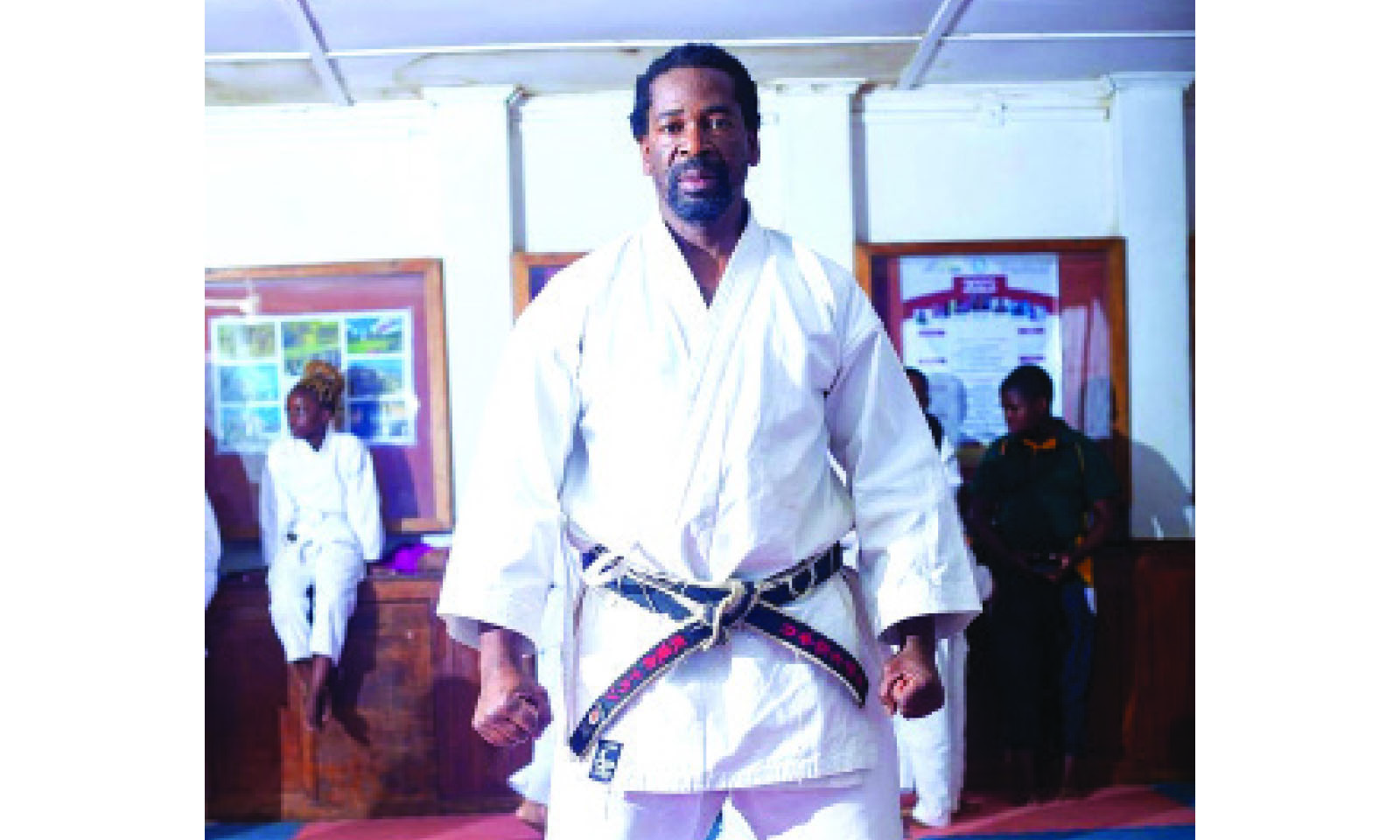
Takudzwa Chitsiga
Zimpapers Sports Hub
ON the tough streets of Glen Norah in Harare, a shy teenager once vowed to fight bullies, protect the vulnerable and make something meaningful of his life.
Today, that quiet boy is Sensei Shepherd Ziwira, a 53-year-old fifth dan black belt holder, national coach, referee and the heartbeat of karate in Zimbabwe’s Midlands province.
What began as a pastime in high school back in 1988 has since transformed into a lifelong calling.
Ziwira is now one of Zimbabwe’s most respected martial artists, a man who has built both a career and a family dynasty through karate, all the while using the sport as a tool to fight drug and alcohol abuse among the youth.
“For me, growing up on the tough streets of Glen Norah, I was very quiet, as I still am today,” he says. “But seeing people bully women and kids made me start karate because I vowed to defend them.
“I had an interest in sports like athletics and soccer too, but it was karate that made my name.”
His journey in martial arts started with Kyokushin Kai under Sensei Jimmy Mageza, alongside his younger brother Elliot and childhood friends Wellington and Lennox Muza.
He later trained in Shukokai with Sensei Leavemore Villa and Sensei Chirisa during the 1990s, before fully transitioning to Shotokan after moving to Kwekwe.
That move, he says, marked a major turning point.
“When I came to Kwekwe, I started practising Shotokan Karate, and I’ve never looked back,” says Ziwira. “I grew a lot of interest after being introduced to it by my friend Nelson Manjera.
“I rose through the ranks under legendary mentors like Amos Chihlava and senseis Phibion Mudzenda, Gibson Sangweni, Bearn Mavhiya, David Dube, Simbarashe Chihlava, and of course, my brother Eltone Marongere, who played a big role in shaping me.”
Now a certified JKAZ Shotokan fifth dan, Ziwira has turned his personal journey into a wider community mission.
He is actively mentoring young karatekas in the Midlands province, helping them steer clear of drugs by keeping them grounded in discipline and sport.
“The menace of drug abuse is very disturbing, and I try by all means to make sure that the youth within my vicinity are kept occupied through sport,” he says. “I’m hoping to build a very big martial arts school in the country so that we can produce masters in the sport.”
His story is not just about personal triumph; it is about legacy.
Ziwira has passed the baton to the next generation, with his entire family now immersed in the sport.
“I have passed the baton to my children, Tinashe (2nd dan), Tamuka (3rd dan) and Tanyaradzwa (2nd dan), who I believe are going to do well in the sport,” says Ziwira with pride.
“All of them are black belt holders, including my beloved wife Vanessa (1st dan).
“I hope they will carry on the legacy and raise the family name
and Zimbabwe karate to greater heights.”
During his competitive years, Ziwira represented Zimbabwe at the Zone VI Games in both Kata and Kumite.
Now, his children are following in his footsteps, proudly donning national colours and bringing home medals.
“All my children are members of the national team and have scooped multiple accolades between them.
“They all started karate at tender ages. That gives me hope that more young people can find their purpose through sport,” says Ziwira.
Despite the accolades, Ziwira remains grounded.
For him, karate is more than belts and titles; it is a philosophy, a shield against life’s toughest blows and a bridge between generations.
Karate may have begun as a way for the quiet Glen Norah boy to defend others.
But now, it has also become a weapon for change.
In the Midlands province, he is fighting the battle of his life, not in the ring, but in the community, where every punch thrown is a strike against impossibilities.