

 Online Reporter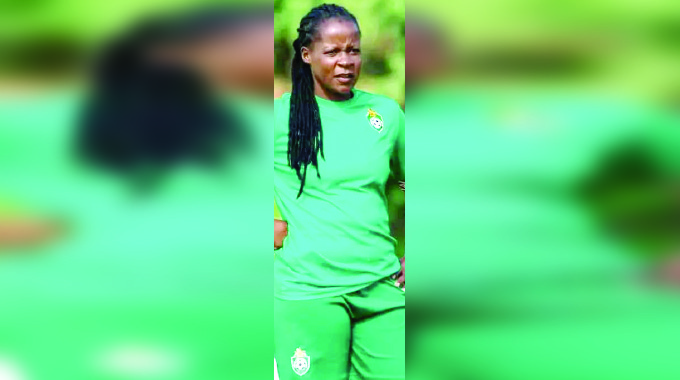
Veronica Gwaze
Zimpapers Sports Hub
SITHETHELELWE “Kwinji 15” Sibanda isn’t wasting time. With her appointment as Zimbabwe senior women’s national team head coach now permanent, she’s already deep into rebuilding plans aimed at restoring pride to the women’s game.
The celebrated gaffer, who was officially handed the reins late in 2024 after years of interim roles and a vacant seat, is on a mission to lay solid foundations for long-term success.
Once a regional powerhouse, Zimbabwe have alarmingly slipped to the bottom of the women’s football ladder in Southern Africa. But Sibanda, who has remained part of national team structures over the years, believes proper grassroots development is key to reversing the slide.
“Planning is critical. We’re working to ensure players have the opportunity to go through a proper player pathway, something that’s been lacking,” said Sibanda.
“We’ve broadened our focus. We’re not just planning for the senior team, but for all junior levels. Players must gain experience at the youth level before being integrated into the senior team.”
Drawing from her experience as both player and coach, Sibanda is advocating for a complete overhaul of Zimbabwe’s women’s football structures, starting with the reintroduction of junior leagues across all provinces.
“Some clubs have done well identifying talent and placing them in elite league teams, but we need proper systems,” she explained.
“I’ve proposed a structure with the elite league at the top, then Under-20, Under-17, and Under-15 leagues. A 13-year-old playing against a 30-year-old is simply wrong, we destroy talent by rushing development.”
Funding remains a perennial challenge, especially in the women’s game. Sibanda believes ZIFA must set up dedicated marketing and sponsorship teams to help professionalise the leagues and attract corporate support.
“Our teams and players need real marketing strategies. The biggest motivation is getting semi-pro and pro contracts, like in other countries,” she said.
She also called on ZIFA to equip coaches at all levels with modern training methods and technical support and to prioritise regular training camps and international friendlies, especially for junior teams, as part of long-term re-building.
“Some of the players in the senior team have overstayed. We’re holding on to them simply because there’s no one to replace them. It’s time to rebuild.” Sibanda believes exposure is critical and suggests participating in global invitational tournaments to help rising players transition smoothly to the top level.
But her vision goes beyond the pitch.
“We need awareness and grooming programmes, off the field too. Our players need education on social issues like drug and substance abuse and career development if we want to shape complete athletes,” she said.
Sibanda is currently touring the country, attending women’s football matches across zonal, district, and provincial levels, as well as NAPH and NASH competitions. The goal: identify talent and expand the national team pool.
“It’s all about talent identification, recommendations, and nurturing. I also attend training sessions with some clubs to give feedback and align our training methods, because players spend more time at their clubs, we need to speak one football language.”



