Online Reporter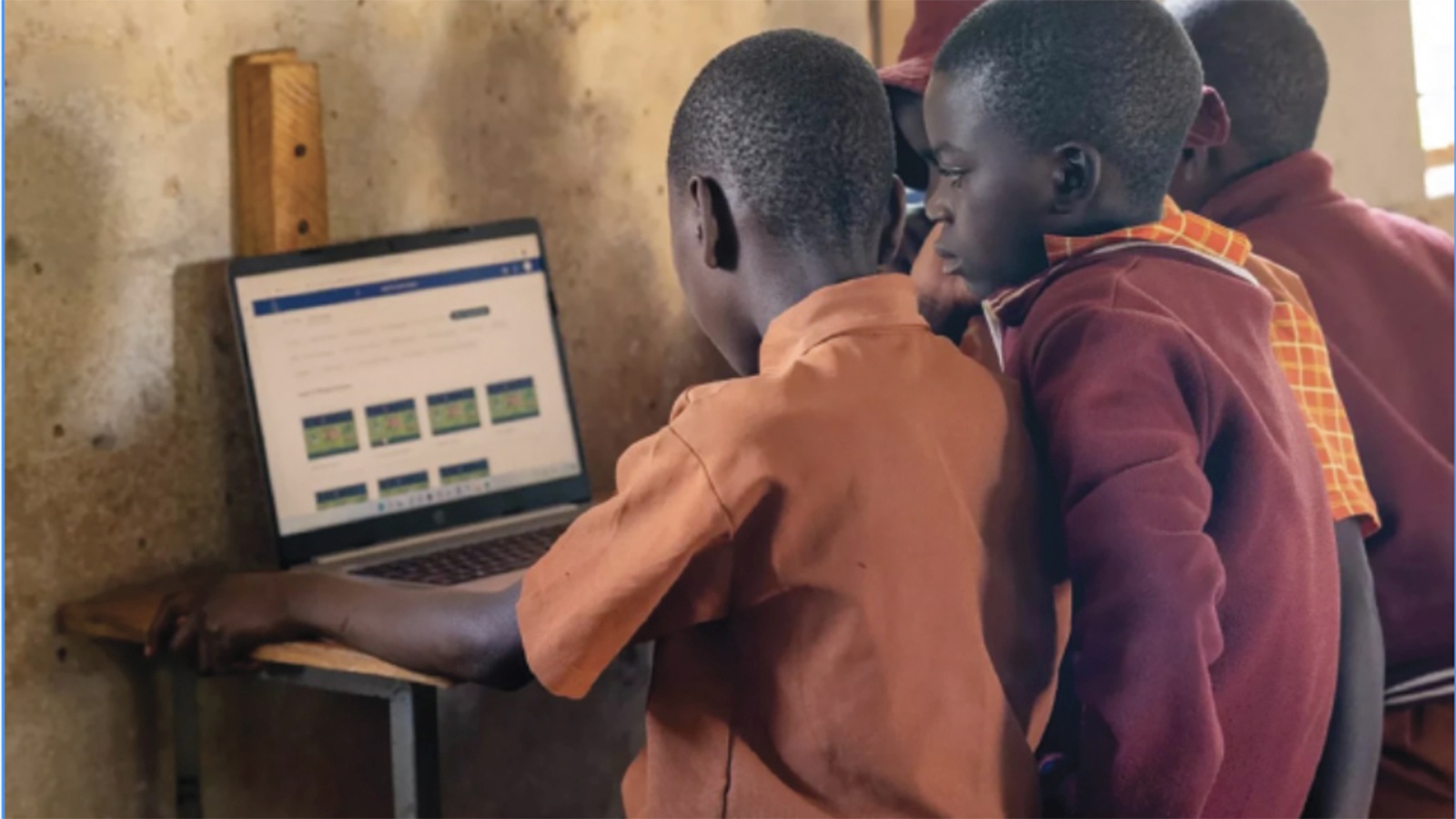
Gabriel Manyeruke
EDUCATION is often celebrated as the great equaliser, yet in Zimbabwe, a silent inequality is widening: the digital divide.
While some learners enjoy the luxury of laptops, mobile phones and reliable internet, others in remote schools struggle without electricity, connectivity or even basic devices.
This disparity compromises the integrity of our education system and risks leaving entire communities behind.
Contemporary learning demands more than just chalkboards and textbooks.
Modern examinations test critical thinking and the application of knowledge relative to current affairs.
Assignments frequently require internet research, encouraging learners to explore diverse perspectives.
Yet Zimbabwe’s standardised examinations apply the same criteria to all candidates, regardless of their access to digital resources.
If merit is to be genuinely established, access to technology must be treated as a priority.
Without equal access, examinations cease to measure ability and instead reflect privilege, undermining both fairness and future opportunities.
The missing link
Even when learners own mobile phones or laptops, data costs remain prohibitive.
In rural areas, electricity is often unreliable, making it impossible to charge devices consistently.
While solar systems could provide an alternative, they are costly and rarely supplied.
Thus, the digital divide is not merely about gadgets; it is a systemic issue of infrastructure, affordability and sustainability.
The Government has, however, made commendable strides in supporting marginalised schools, from distributing devices to piloting e-learning initiatives.
But many schools remain under-resourced, particularly in geographically disadvantaged areas.
Without consistent investment and robust partnerships, these efforts risk becoming symbolic rather than transformative.
All learners must acquire digital skills if Zimbabwe is to prepare its youth for the demands of the modern world.
Stakeholders — including the Government, the private sector, non-governmental organisations (NGOs) and local communities — must collaborate to ensure that every school is equipped with viable internet, affordable data and sustainable power solutions.
Through sponsorships, community-driven initiatives and innovative partnerships, this vision can become a reality.
The digital divide is not simply a technological issue; it is a moral one.
To deny learners access to modern tools is to deny them a fair chance at success
Equality in education must mean equality in opportunity.
In today’s world, that opportunity is digital.
If education is truly meant to be the great equaliser, can we claim fairness while some learners remain disconnected?
Gabriel Manyeruke is an author and educator at Wise Owl High School in Marondera. /Feedback [email protected]