admin
admin
Gibson Mhaka
THE mushrooming of city centre buildings partitioned into mini-complex facilities, commonly known as lettable unit shops, has caused a stir amid revelations by Bulawayo City Council (BCC) that owners are charging tenants exorbitant rents ranging from US$300 to US$400 per month while paying only US$250 to the local authority.
It has also emerged that the growth of the remodelled commercial properties was compromising the city’s development standards, with the Councillors saying it was potentially transforming Bulawayo into a mere growth point.
There is also concern that large retail stores may also opt to subdivide their premises into smaller lettable units due to their higher profitability. These partitioned buildings can house over 40 units, generating potential monthly income of US$16 000 for the owner while the owner pays a “measly” US$250 in rates to the local authority.
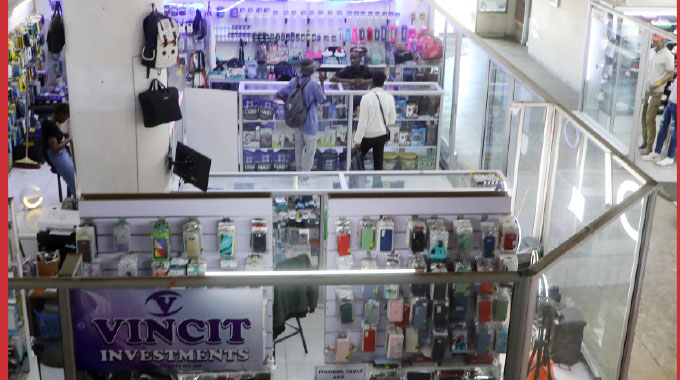
According to the latest council minutes, Councillor Mpumelelo Moyo acknowledged the evolving business landscape and the establishment of lettable unit shops as a response to current economic trends. However, he expressed concern about the council’s rates, which he considered to be significantly lower than the rents paid by tenants to property owners.
“Councillor M T Moyo supported the establishment of lettable unit shops. He referred to the City of Harare which had these kinds of shops in the CBD. Lettable unit shops were a reaction and response to the current economic trends.
“He was concerned about rates charged by the Council which were very low compared to what was paid by tenants to the owners. On average, the tenants paid between US$300 and US$400. The establishment of lettable unit shops would increase the demand for services. Other services would be overwhelmed. Council should come up with a special monthly levy chargeable to lettable unit shops,” the minutes read in part.
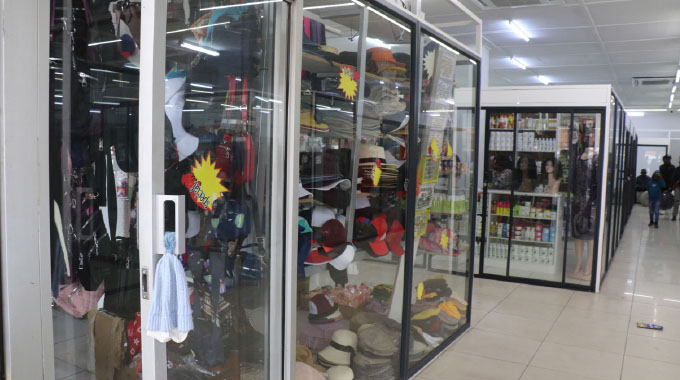
Clr Sikhululekile Moyo observed that while a lettable unit shop building was charged a mere US$250 by the council, individual tenants paid significantly more. She suggested that zoning should be considered when reviewing the relevant policy.
Clr Adrian Moyo stressed the importance of implementing zoning to prevent the uncontrolled proliferation of lettable unit shops throughout the city. Clr Felix Takunda Madzana requested clarification on the regularisation fees. He proposed that the fees be increased.
“Most applications were done when operations had begun. The major fear now was the closure of big shops preferring to subdivide their premises into small lettable unit shops. Location of lettable unit shops should be zoned. In the City of Johannesburg in South Africa lettable unit shops had been zoned along Small Street. He called on the policy to be reviewed,” further read the minutes.
Clr Shepherd Sithole expressed concern that the city would soon be turned into a growth point if the establishment of lettable unit shops was not regulated. He stated that tenants in lettable unit shops paid exorbitant rentals to their landlords, who in turn paid minimal amounts to the council. Furthermore, some landlords preferred to accumulate rental arrears with the council.

Clr Josiah Mutangi expressed concern that the majority of lettable unit shops were operating without the necessary documentation and permits. He also highlighted the issue of unpaid bills owed to the council.
“Most of the lettable unit shop owners owed Council a lot of money. Lettable unit shops without licences and permits should be closed. A special levy should also be charged to compensate for the overwhelmed infrastructure,” he said.
Clr Tavengwa Zidya observed a lack of compliance in the construction of lettable unit shops. He said many of these shops were built using substandard materials. He proposed that the council establish standard building materials and conduct inspections before allowing shops to open.
Clr Aleck Ndlovu blamed a lack of compliance on council staff who did not enforce relevant by-laws, with Clr Melisa Mabeza, concurring that she felt council should be very strict on lettable unit shops.
She said some of the shops sold highly flammable materials. She referred to the lettable unit shops for motor spares along Joshua Mqabuko Nkomo St and 5th Avenue that were recently gutted by fire.
“Most of these lettable unit shops were also overcrowded during business hours. The ablution facilities were also overwhelmed,” said Clr Mabeza.
In response, the Chairperson of the Town, Lands and Planning Committee, Clr Dumisani Netha, explained that the policy on lettable unit shops was being reviewed. He said it would be submitted to the council accordingly.



 Online Reporter