


 tawandamusarurwa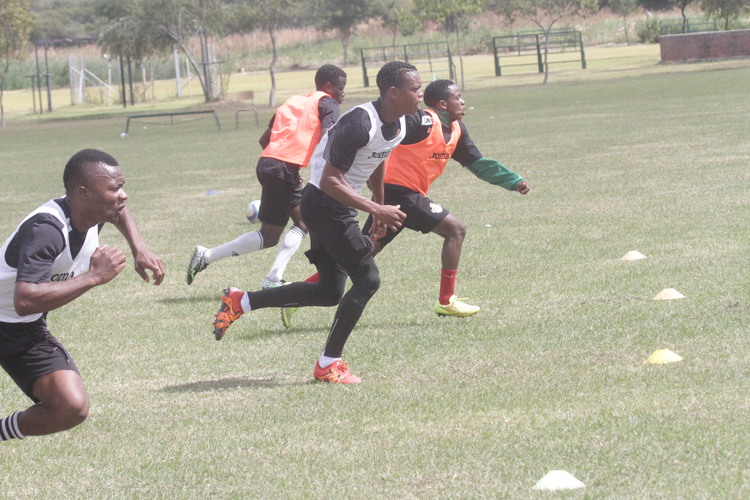
Arthur Choga
THE number of “private schools” has been on the rise.
Unfortunately, some of these educational institutions do not immediately conjure up the image and stature previously associated with traditional private schools in Zimbabwe.
Previously, we had Government educational institutions that were mostly classified as Group A schools, which boasted great facilities and attracted people from all walks of life.
They included Prince Edward, Marondera High, Jameson (Kadoma), Milton (Bulawayo), Mutare Boys High and Mutare Girls High schools.
There were also church-run institutions — known as mission schools — and these included the famed Cyrene (Bulawayo) Kutama, Mt Saint Mary’s (Hwedza) and Hartzell (Old Mutare).
And there were private schools. These were high-quality schools with manicured grounds and they charged high fees.
They had the best facilities available. They included Peterhouse (Marondera), St George’s (Harare), Lomagundi (Chinhoyi) and Falcon College (Esigodini).
However, when it came to athletics, there was a measure of competition across the board, especially when the provincial events came around.
While mission schools tended to struggle in specialised field events such as shot put and discus, as well as long and triple jump, each one held its own on the track.
The major competitive leveller was that each school had its own sporting facilities.
Each of these schools boasted one or more football fields, athletics tracks, and, particularly for the high-end schools, several rugby fields, tennis courts, basketball courts, hockey fields and squash courts.
Prince Edward famously built an indoor basketball court, which is still in good shape today.
The majority of schools that are coming up tend to take up limited spaces and are run from existing buildings, with little room for extracurricular activities.
Some of the schools are being run from former commercial properties or industrial buildings that have been repurposed.
They are not equipped with any meaningful sporting facilities.
Health experts encourage children to exercise regularly and take part in sporting activities to make them healthier, as well as build their social skills.
Sporting activities can also build confidence among younger children.
According to the McGill University Faculty of Medicine and Health Sciences Department of Family Medicine (Canada), “youth sports are encouraged because of the numerous benefits associated with being active at a young age”.
“Youth athletes who engage in sports not only experience the well-documented cardiovascular health benefits of being active but also benefit from the social and character-building experience of being part of a team,” it said.
Some of these new schools are depriving their learners of an opportunity to develop key life skills that may well be needed in the future.
“Moreover, sports, whether competitive or recreational, allow for the development of fundamental life skills such as leadership, time-management, sportsmanship and accountability, which are invaluable for youngsters as they develop their identities,” McGill University adds.
The challenge for some of the schools is their location.
They do not have the scope to build any meaningful space for children, and this presents an opportunity for local authorities, as most of them own and run sporting facilities, to plug the gap.
They own stadia, parks, halls and other spaces.
These facilities can play a major role in providing wholesome education to these children in private schools.
By creating synergies with these schools, local authorities could bring their facilities up to scratch, make them accessible, child-friendly and host the schools’ sporting activities.
Open spaces can also be rehabilitated and repurposed to include low-cost recreational facilities that allow schoolchildren and young people to come together and play sports.
Such facilities, in turn, can be scouting spaces for talent finders across the sporting disciplines.
The benefits to the community extend beyond cleaning up the spaces and renewing them to also include possible reduction of illegal substance abuse among young people.
Many young people would gladly spend half an afternoon playing sports, but most of the open spaces have been taken up by housing and other buildings, leaving street bridges as the only available spaces.
Given viable options, some young people would drop the drugs and take up new pursuits.
“Knowing this, we all need to be advocates for the young members of our society.
“We need to take active roles to ensure our youth have equal access and opportunities to be more active and to be healthy.
“This can be achieved by making sports more inclusive, integrating more green space into our local communities, promoting investment into after-school programmes, increasing planned physical activity time in students’ schedules, and helping to organise and coach community teams,” McGill says.
Local authorities have personnel in charge of sporting activities.
In fact, most of them used to have sporting officers.
These would take charge of the facilities and ensure rentals are paid and used to keep the grounds in shape.
This is a potential revenue earner for local authorities.
Above all, there is an opportunity to help young children express themselves better in their fields and perhaps identify a talent that may be lost.
Feedback: [email protected]


 Bongani Ndlovu
 Online Reporter