Online Reporter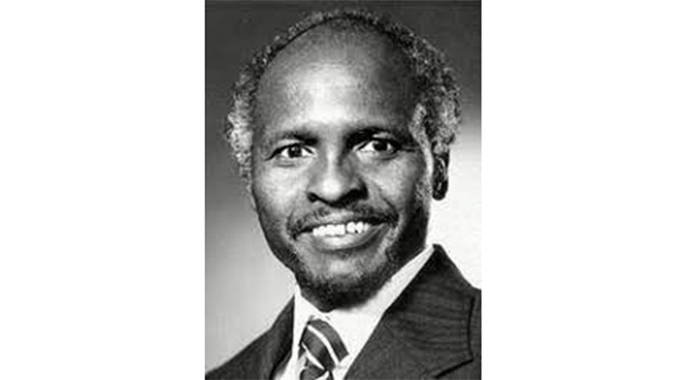
The Herald, 25 June 1986
PRESIDENT Banana yesterday opened the Second Session of the Second Parliament of Zimbabwe with a call to the nation to translate into reality the targets and objectives of the First Five-Year Development Plan.
In an address in the House of Assembly, Cde Banana said an immense outlay of national effort and resources would be required to fulfil the plan, which was unveiled two months ago at the start of the seventh year of Zimbabwe’s independence.
“Let us therefore, pull together, whatever the sector of our economy which engages our efforts, in order to begin to begin to achieve through the plan, that socio-economic transformation and development that will render our political independence more meaningful,” said Cde Banana.
He said the Government would undertake comprehensive programmes for job creation within the context of the plan. The Government he said he would develop and implement a manpower plan for the public service to ensure that adequate personnel were available for the plan.
The President called on Zimbabweans to dedicate themselves and to direct their energies towards the achievement of successful summit of the Non-Aligned Movement in Harare from August 26 to September 7.
He said to improve the country’s global coverage Zimbabwe would soon open three more diplomatic missions at the United Nations European headquarters in Geneva and embassies in Luanda and Havana.
He said as a result of cross-border movements old border posts closed during the war would be reopened. And to bring police closer to the people, police posts would be established in remote areas not covered by permanent police presence.
Lessons for today
- President Banana’s 1986 call was about turning Zimbabwe’s First Five-Year Development Plan (1986–1990) into real progress. Some goals were met, but many fell short due to economic and structural challenges.
- There was expansion of social services hence Zimbabwe made strong progress in education and health, more schools and clinics were built, literacy rates improved significantly and access to basic services increased. This was one of the biggest successes of the early independence period.
- Infrastructure and state planning, Government invested in roads and rural development, public service systems and some industrial and agricultural support.