admin
admin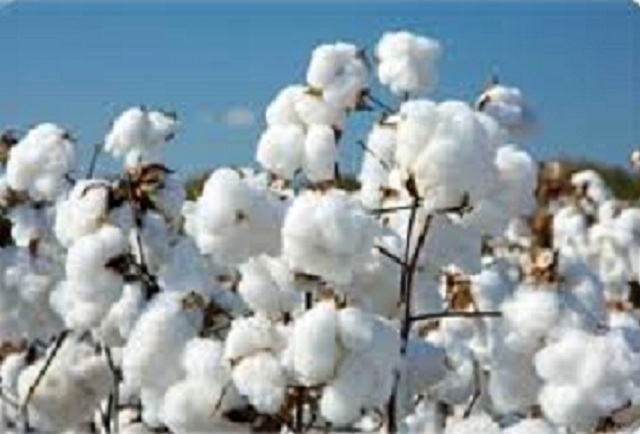

Roberta Katunga, Senior Business Reporter
LOCAL cotton seed supply has plummeted to 20 percent of national demand, a situation that has forced cooking oil manufacturing companies to import crude soya been oil from as far as South America.
In addition, officials in the oil manufacturing business said soya bean seed, another alternative input in the industry has also fallen to below 25 percent of national requirement.
Agro processing concern United Refineries chief executive officer Mr Busisa Moyo revealed that the company was importing crude oil from South Africa and South America where they have a better soya crop.
“A well-structured programme to grow the 300 000 tonnes of soya that the country needs to be self sufficient is needed and this translates to 150 000 hectares at a yield of 2 metric tonne per hectare (2mt/ha) which is a more realistic average,” said Mr Moyo.
There are four oil pressing companies in Zimbabwe URL, Olive Industries, Pure Oil and Surface Investments.
Speaking on how URL’s fortunes were turned around from what they were four years back, Mr Moyo said his company was able to attract investment through toll processing, credit lines, technical and procurement partnerships as well as Government intervention under Zim Asset.
He said at the end of last year, operating capacity was 75 percent for cooking oil and laundry soap while that of bath soap was at 35 percent.
“We relaunched our soap brands in November last year. These include Image which is our family soap and is value for money at 300g per tablet, our FreshHealthJoy soap which is our hygiene soap for the concerned parent and our Vogue which is our beauty soap, the Jewel of African Beauty,” said Mr Moyo.
Mr Moyo said the company was still in the process of arranging financing for the powdered soap manufacturing project.
On the export market he said: “We traditionally used to export cotton oil cake to South Africa and won several awards; 2013 CZI exporter of the Year, ZNCC 2013 1st runner up Agricultural Exports, 2014 ZimTrade Exporter of the Year Agriculture Exports, which, however, have declined due to a shortage of local raw materials, in particular cotton.”
He said the company was now focusing on soap and oil exports going forward, with Mozambique, Angola, Zambia and Botswana as the target markets.
URL managed to secure foreign investment in 2013 when Grindrod invested in the company providing credit lines and technical support which has also seen URL’s employment levels increasing from 180 workers in 2012 to 500 including contract labourers.
“The future is bright and we will be looking to take our capacity to 85 percent and invest in expanding capacity in light of increased demand for all our products as well as introduce new products in hygiene and food,” said Mr Moyo.
Meanwhile, national chairperson of Cotton Producers and Marketers Association of Zimbabwe Mr Clemence Gondo said the cotton industry was hanging by a thread and that its collapse was imminent.
Mr Gondo said most traditional growers of the crop have shifted to better paying crops like millet, rapoko and maize thus exacerbating the shortage of cotton seed.
“There are various factors that have led to the plummeting supply of cotton seed and these include the drought and a poor producer price that has seen farmers abandoning the crop. When yield is reduced, the size of seed which is supposed to be crushed by processors is also affected. Supply has moved downwards sharply and the 2015/16 season is going to be worse in terms of seed size,” said Mr Gondo.
He said Government intervention was needed as the cotton industry requires subsidising.
“If Government does not step in, the cotton industry is going to collapse soon as it is hanging by a thread. We also need to promote better farming methods like irrigation to boost the production of cotton. At the moment the future is bleak,” said Mr Gondo.
Speaking on soya bean seed shortage, Mr Gondo said the non-payment by the Grain Marketing Board has deterred farmers from planting the crop and with the severe drought, yield will be even lower. Mr Gondo said when the yield is low, the seed being taken to processors for cooking oil processing also declines.
In September 2014, Government in conjunction with representatives of the entire cotton value chain, developed and launched the five-year Cotton-to-Clothing Strategy (2014-2019) in an effort to revive the entire cotton value chain in Zimbabwe and to improve trade and industrial development. Cotton is Zimbabwe’s second largest export crop after tobacco.



 Online Reporter