Online Reporter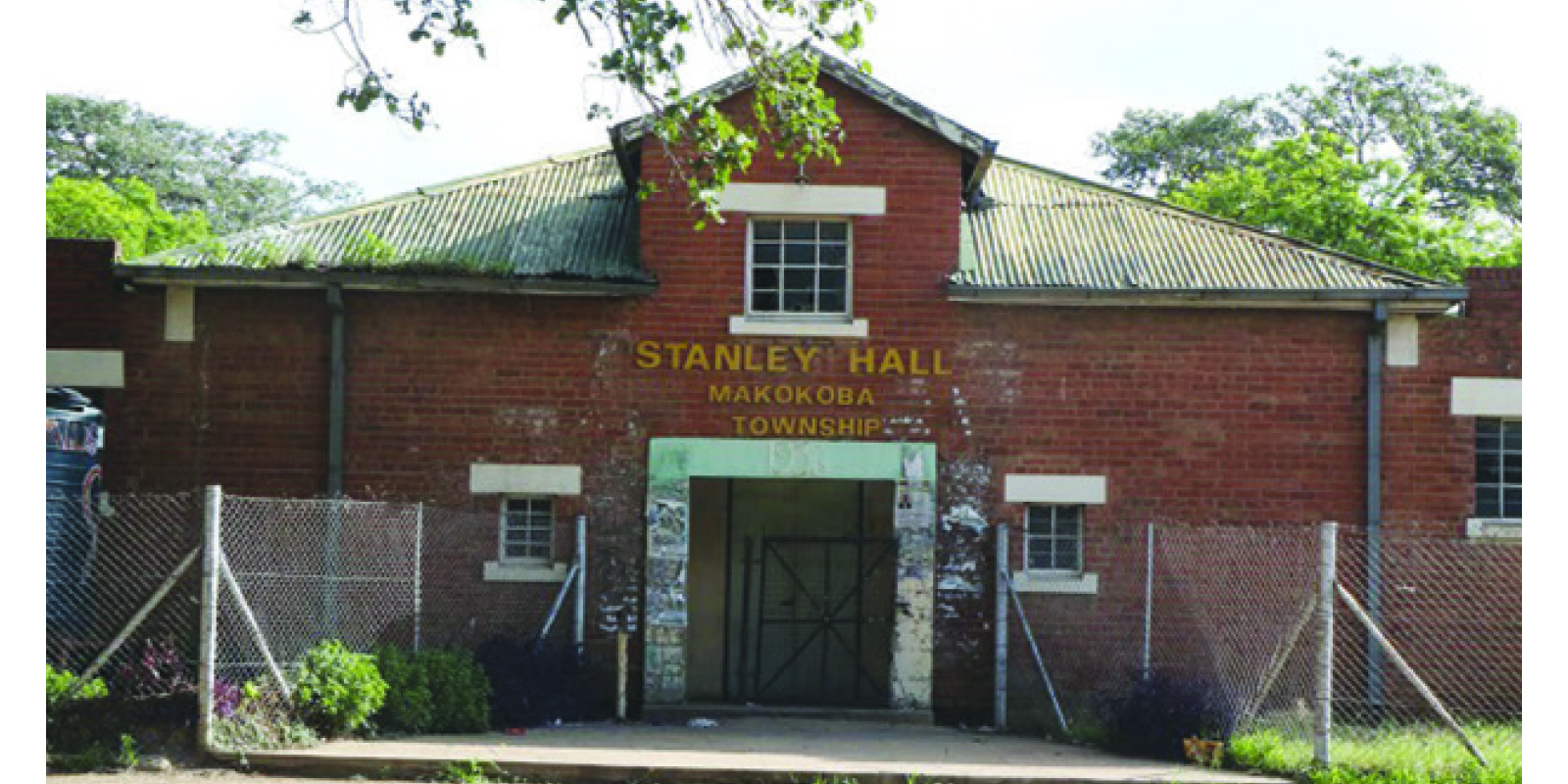
Gibson Mhaka
Zimpapers Politics Hub
WHILE often recognised as the oldest and most enduring suburbs in Zimbabwe’s two largest cities, Makokoba in Bulawayo and Mbare in Harare are far more than just historical residential areas.
Beyond their long-standing presence, these vibrant communities hold an exceptionally special place in the country’s liberation struggle.
They were not merely backdrops to the fight for independence, but dynamic epicentres where the seeds of resistance were sown, nurtured, and ultimately blossomed into a powerful movement for freedom. These townships, born out of colonial segregation, inadvertently became hotbeds of resistance.
Their intricate networks of narrow lanes and humble dwellings provided ideal cover for clandestine operations.
Freedom fighters found safe harbour, crucial support and vital transit points within these communities, facilitating the movement of operatives and discreet storage of arms.
Secret meetings were held, strategies meticulously formulated and vital intelligence gathered, often by the unsung heroes – the ordinary residents who risked their lives daily.
Makokoba, a prime example, was a significant political hotbed during the colonial era. Historical landmarks like Stanley Hall and Square, now social activity facilities, were once central to political gatherings.
This iconic venue was the epicentre of virtually every significant political and social event that occurred between 1930 and the 1960s, right through to independence.
It served as a major rallying point for township dwellers, coordinating resistance to white colonial rule and ultimately facilitating recruitment into the armed struggle.
Zimbabwean nationalists such as the late Dr Joshua Mqabuko Nkomo and Zimbabwe People’s Revolutionary Army (ZIPRA) commanders like Cdes Jason Ziyaphapha Moyo, Ackim Ndlovu, Dumiso Dabengwa, Ethan Dube and Sikhwili Moyo, among others, used Makokoba as a political springboard to mobilise masses for the liberation struggle.
In recognition of their historical importance, Stanley Hall and Square were declared national monuments in 2017. Post-independence, Stanley Hall has continued to serve the community, becoming a hub for nurturing up-and-coming talent, especially in theatre.
Within Mbare, Stodart Hall also stands as a particularly significant historical site.
Built in 1958 as a community centre for black urban dwellers, it quickly transcended its initial purpose to become a crucial hub for political awakening during the liberation struggle.
Nationalist leaders and freedom fighters frequently used Stodart Hall as a discreet venue for strategic meetings and planning resistance efforts against the colonial regime.
Notably, a confrontation between youths and the Rhodesian police at the hall in 1960 sparked a new phase of political consciousness and resistance.
Beyond its role in political organising, Stodart Hall gained national reverence in independent Zimbabwe as it became the traditional place where the bodies of national heroes and heroines lie in state before their final journey to the National Heroes Acre, solidifying its enduring connection to Zimbabwe’s fight for freedom.
Mbare, the vibrant township where Stodart Hall is located, also witnessed a historic event in 1980 when Bob Marley performed at Rufaro Stadium for Zimbabwe’s Independence Day celebrations.
The suburb’s other iconic landmarks, such as Rufaro Stadium, Mai Musodzi Hall, Pioneer Cemetery (now part of Mbare West Cemetery), Siyaso, Mupedzanhamo, as well as the Mbare, Magaba, Matapi, Tagarika, Shawasha and Matererini flats, further demonstrate its rich history and cultural significance.
Similarly, Makokoba is renowned for its many historical monuments. Amakhosi Cultural Centre, MaKhumalo Beer Garden (Big Bhawa) and McDonald Hall also played important roles as sites for political meetings, which helped to overcome an oppressive system and deliver independence to the black majority.
Like Mbare, which is home to a diverse array of talents – from musicians and politicians to soccer players, businesspeople and community developers, with some luminaries even honoured through street names – Makokoba is also well-known for producing great football players like the Ndlovu brothers, Adam, Peter and Madinda.
The late Zimbabwean music legend Dorothy Masuka, the grand daddies of jazz music, the Cool Crooners, and Lovemore Majaivana are all products of this great suburb.
These cultural and sporting icons, emerging from the very streets that once cradled the liberation struggle, stand as modern-day heroes, embodying the enduring spirit of resilience and excellence fostered within these historic townships.
Their achievements, whether on the football pitch or international music stages, bring immense pride and recognition to Zimbabwe, much like the freedom fighters who once strategised within these same communities fought for the nation’s independence.
Makokoba and Mbare, therefore, hold special places in the country’s narrative, not only for their pivotal role in the struggle, but also for their continued legacy of nurturing talent that inspires and uplifts the nation.
As Zimbabwe approaches Heroes’ Day on August 11, these very suburbs, Mbare and Makokoba, conjure a complex tapestry of memories among those who have walked their streets.
For some, they evoke nostalgia for a vibrant past, while for others, they hold grisly recollections of colonial oppression and struggle.
Emotions might range from regret for past losses, to hope for a better future, to gleeful memories of resistance and triumph and even sentiments that remain simply unsayable.
Despite this intricate web of personal and collective experiences, there is an undeniable need to honour and respect these townships.
They stand as living monuments, holding immeasurable significance in Zimbabwe’s liberation struggle and the broader nationalist movement, serving as profound reminders of the sacrifices made and the resilience displayed in the arduous journey towards independence.