admin
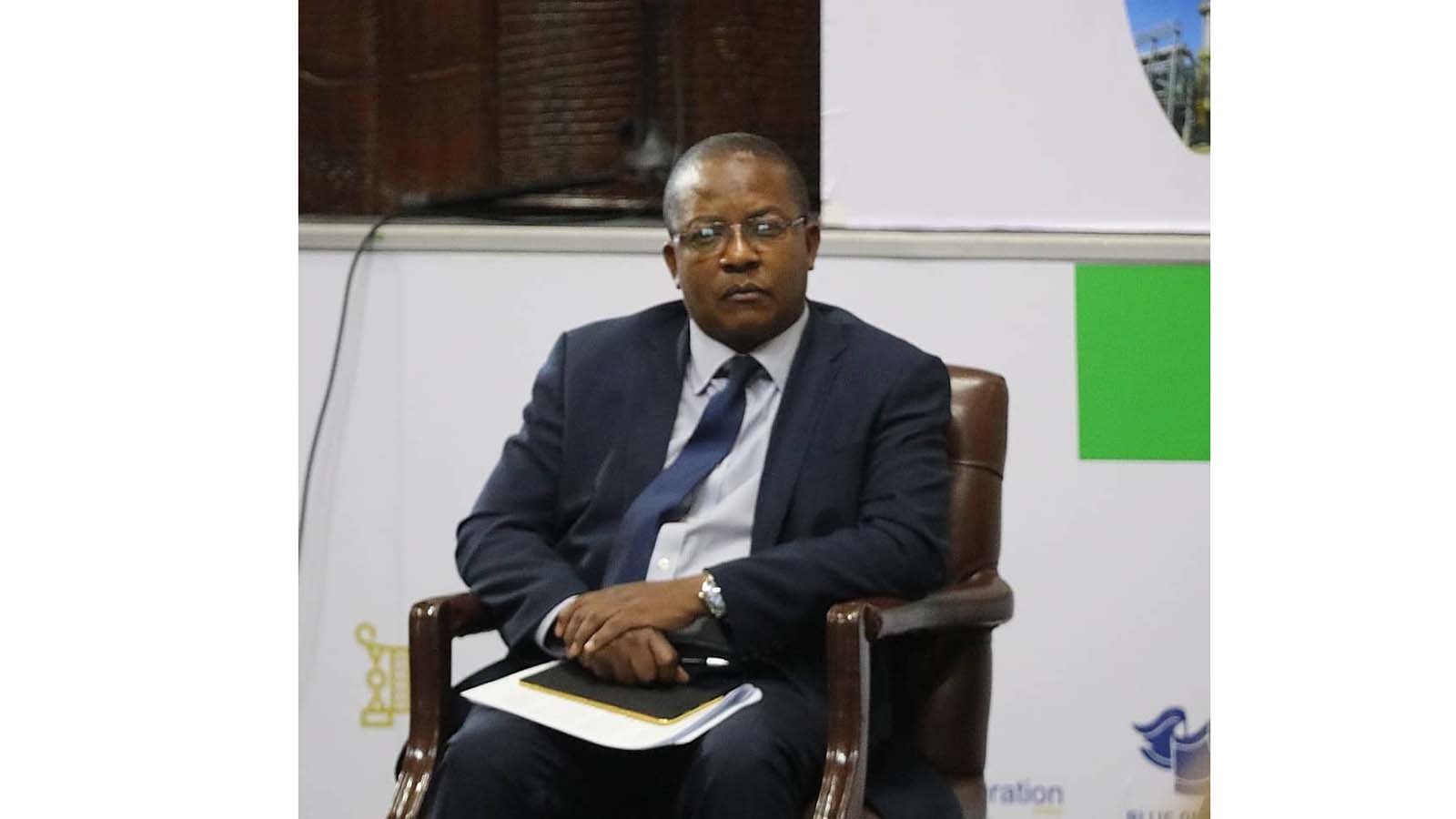
adminfive years of pacy growth to a juddering halt, Finance Minister Ken Kandodo said yesterday.
In an interview with Reuters two days before presenting his 2011/12 budget proposals to parliament, Kandodo said he was working on the assumption that there would be no external aid, and no foreign or domestic borrowing.
“Our recurrent expenditure will be financed entirely from our own resources,” he said.
Several years of growth of 7 percent or more has allowed the Southern African nation to slash its budget deficit from 7,8 percent of GDP in 2003/04 to 1,5 percent this year.
However, these figures mask the fact that donor funding still accounts for 40 percent of official receipts.
Former finance minister Friday Jumbe said such a budget, if passed, would have a disastrous impact on the country of 13 million, which has an HIV/Aids rate of 11 percent and average per capita income of less than US$1 a day.
“It will have grave consequences on the economy,” he said.
“This budget will not be supported by donor grants, as always, because of the on-going aid freeze and therefore it may underperform as it will be so dependent on domestic revenue collected by the revenue authority.”
Britain, Malawi’s former colonial master and biggest bilateral donor, last month suspended aid worth US$550 million over the next four years due to a diplomatic spat between London and Lilongwe.
Relations had nosedived in April, when Malawi expelled Britain’s ambassador for referring to President Bingu wa Mutharika in a leaked diplomatic cable as “autocratic and intolerant of criticism”.
Britain responded by kicking out Malawi’s acting ambassador to London.
Donor sources indicated at the time that other governments may follow Britain’s lead, and the World Bank said this week it was withholding US$40 million in aid pending revival of an International Monetary Fund programme.
The aid freeze is likely to exacerbate an already severe dollar crunch caused by sluggish overseas tobacco sales, which account for 70 percent of foreign exchange earnings, and a large import bill for a five-year fertiliser subsidy programme.
The lack of dollars has put major pressure on the local currency, the kwacha, which has been pegged at 150 to the dollar after devaluing from 138,5 in November 2009. – Reuters.


 Online Reporter