Vusumuzi Dube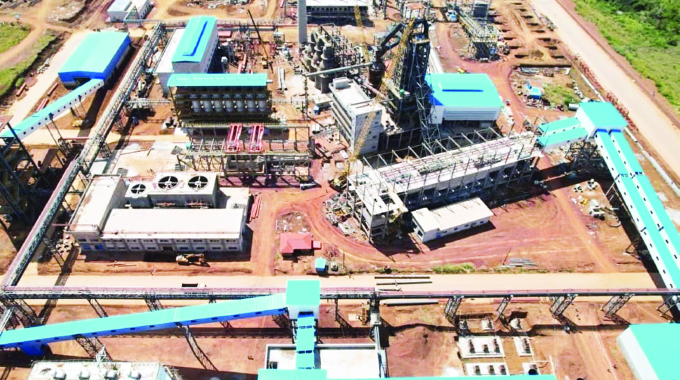
Vusumuzi Dube, Online News Editor
The global steel industry stands as the backbone of industrialization, infrastructure development, and economic growth. In Africa, the reliance on steel imports has long drained economies, slowing regional development projects and industrial capacity.
However, Zimbabwe’s Manhize Steel Plant, operated by Dinson Iron and Steel Company (Disco), is set to revolutionize not only Zimbabwe’s economy but the entire SADC (Southern African Development Community) region and beyond. With operations scaling up in 2024, the plant is not just a national asset but a continental game-changer.
A Nation Built on Mineral Wealth
Zimbabwe boasts an extensive array of mineral resources, including gold, platinum, lithium, and, importantly, vast deposits of high-grade iron ore. It is estimated that Zimbabwe holds over 30 billion tonnes of iron ore reserves, positioning it as a critical player in global steel production. Despite these resources, Zimbabwe’s steel manufacturing capacity declined after the collapse of Ziscosteel, once the largest steel producer in Africa.
However, the emergence of Manhize Steel Plant, funded through a significant investment by Dinson Iron and Steel Company (Disco), is breathing life back into the sector. With production capacity estimated to exceed 1.2 million tonnes of steel annually, Manhize is set to position Zimbabwe as a hub for steel production and exports in Africa.
Manhize Steel Plant: A Catalyst for Regional Growth
The SADC region, which includes countries like South Africa, Zambia, Mozambique, and Botswana, has long faced steel shortages, relying heavily on imports from as far as China, India, and Europe. This dependency has not only been costly but also unsustainable.
Mathematical Projections for SADC Benefits
Steel Production Output: 1.2 million tonnes per year (projected to increase to 5 million tonnes by 2030).
Regional Steel Demand: SADC currently imports approximately 3 million tonnes of steel annually. Manhize aims to meet at least 40% of this demand by 2025.
Cost Savings: By reducing steel imports, SADC nations are expected to collectively save over $1 billion annually in foreign exchange costs.
Job Creation: Direct employment of 5,000 workers at Manhize, with an estimated 20,000 indirect jobs created in the value chain across logistics, transportation, and downstream industries.
The Role of Steel in Global and Regional Development
Steel remains indispensable in industries such as construction, automobile manufacturing, renewable energy, and infrastructure projects. Global steel demand is projected to grow by 2.3% annually, reaching 2 billion tonnes by 2030.
For Africa, where infrastructure projects such as railways, bridges, and renewable energy plants are on the rise, local steel production becomes critical. The African Continental Free Trade Area (AfCFTA) agreement creates an opportunity for Manhize to supply steel across borders efficiently, driving regional industrialization and economic growth.
Zimbabwe’s Strategic Position in Steel Value Chain
Local beneficiation: Instead of exporting raw iron ore, Zimbabwe will now produce value-added steel products.
Increased Export Revenue: Steel exports are expected to contribute $2 billion annually to Zimbabwe’s GDP by 2025.
Sustainable Development Goals (SDGs): Manhize aligns with SDG 9 (Industry, Innovation, and Infrastructure) and SDG 8 (Decent Work and Economic Growth).
Local Benefits: Empowering Zimbabweans
The establishment of Manhize Steel Plant isn’t just about macroeconomic gains; it carries significant local benefits:
1. Employment Opportunities: Thousands of Zimbabweans are now employed in skilled and semi-skilled roles at the plant.
2. Skill Transfer: Manhize is collaborating with local institutions to train workers in steel manufacturing technologies.
3. Infrastructure Development: Roads, power plants, and water supply systems around Manhize have seen significant upgrades.
4. Community Development: Social investments in healthcare, education, and housing are part of the plant’s Corporate Social Responsibility (CSR) initiatives.
Looking Ahead: The Steel Industry in 2025 and Beyond
As the world moves towards green energy solutions and infrastructure upgrades, steel remains at the heart of innovation. Zimbabwe, through Manhize, has the potential to become the steel capital of Africa, supplying both regional and international markets.
Green Steel Initiatives: Adoption of cleaner production technologies.
Increased Output: Potential to reach 5 million tonnes annually by 2030.
Market Penetration: Expansion into European and Asian steel markets
The Manhize Steel Plant represents more than just a factory; it symbolizes Zimbabwe’s resurgence in industrialization and Africa’s march towards self-reliance in steel production. For the SADC region, it promises economic savings, job creation, and industrial growth.
With a strategic vision, investment in sustainable technologies, and a commitment to community development, Manhize is not just producing steel—it’s building a foundation for Africa’s industrial future.



 Online Reporter