Chronicle Editor
Sikhulekelani Moyo, [email protected]
THE continuous strengthening of the local currency against the United States dollar both on the official bank rate and the parallel market should be complemented by the manufacturing sector that should increase production so as to reduce the import bill and promote the Buy Zimbabwe initiative to sustain the local currency, the Consumer Council of Zimbabwe (CCZ) has said.
The Zimbabwe dollar was yesterday trading at US$1: $4 771 firming from US$1: $4 883 on Friday at the official interbank market.
The parallel market is also responding and as of yesterday, the local unit was pegged at US$1: $6 000.
According to Reserve Bank of Zimbabwe (RBZ) weekly updates, yesterday, US$20 million was on offer attracting 15 bids worth US$11,6 million. The central bank revealed that the highest bid rate received was $4 900 while the lowest was US$4 500.
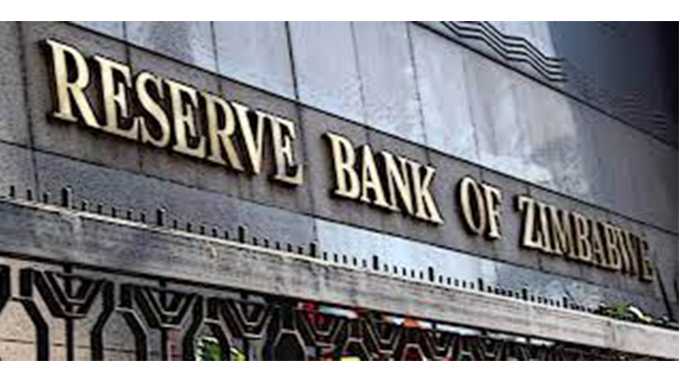
A combination of fiscal and monetary measures has managed to mop up excess liquidity and create demand for the Zimdollar. Monetary authorities are eager to see the convergence of formal and parallel rates, including a sustained reduction in prices.
Some retailers and Government agencies have already started reducing prices in line with the firming local currency. The Bulawayo City Council yesterday pegged the US$1 to $5 363 inclusive of the 10 percent margin.
Prices of basic commodities have been declining in recent weeks with two litres of cooking oil dropping from around $22 000 last week to settle at $15 000 in some retail outlets.
However, vegetable market trades are still selling their products in US dollars and a few are taking mobile money transfers. The strengthening of the local currency is a further indication of the market’s positive response to a series of policy interventions put in place by monetary authorities to mop up excess liquidity.
CCZ Matabeleland region manager Mr Comfort Muchekeza yesterday told the Business Chronicle that the continuous firming of the local unit should be complemented by a speedy decline in prices of basic commodities for the benefit of consumers.
However, he said, for consumers to feel the impact of firming of the local currency, the manufacturing sector should increase production so that most of the basic products are locally produced and sold in local currency.
Increased production will promote the Buy Zimbabwe campaign, he said.
“For the past few weeks, there has been a decline in the exchange rate both from the official auction and the parallel market. This is good for the country, the economy and the consumers,” said Mr Muchekeza.
He urged monetary authorities to continue with measures to stabilise the local currency so that people’s salaries are not eroded by inflation as was the case in Many and June this year.
The recent strategic interventions by the Government to tame volatility in the market include its directive for all import duties to be paid in Zimbabwe dollars except for luxury items, the transfer of external debt obligations from the Reserve Bank of Zimbabwe (RBZ) to Treasury and the introduction of the wholesale foreign currency auction for banks.
Treasury has also directed all Government institutions to collect fees and other service charges in local currency.
The Government continues to urge businesses to use the official exchange rates with a recommended 10 percent forward pricing.

Last week, the Financial Intelligence Unit revealed that some pharmacies were using parallel market exchange rates ranging from between ZWL8 500 to ZWL11 000 against the US dollar in complete violation of Government policy and the country’s anti-money laundering regulations, which has resulted in the suspension of their trading licenses.
The Ministry of Finance and Economic Development has urged the transacting public to resist all forms of unfair pricing by retailers and to immediately report violations to the Financial Intelligence Unit (FIU. — @Sikhulekelani M1



 Online Reporter