Online Reporter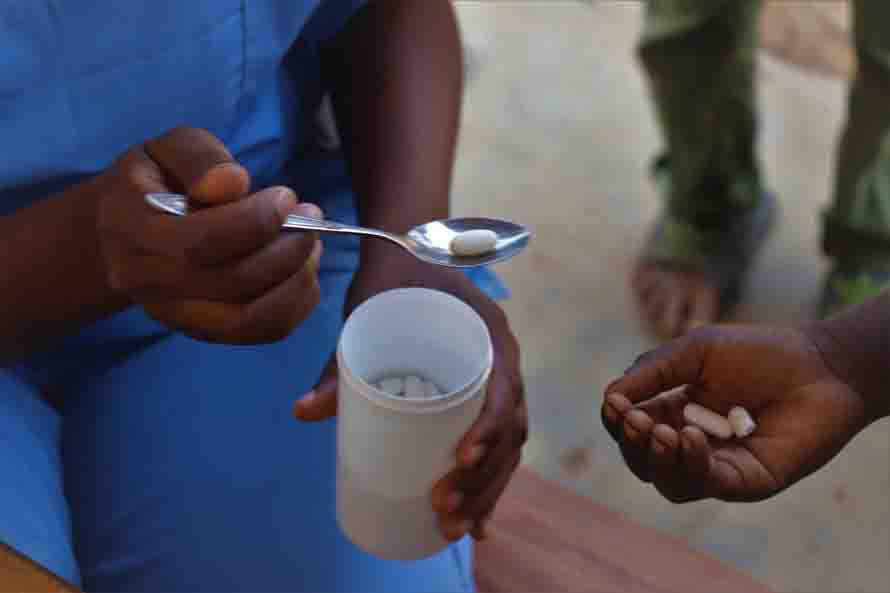
Josephine Nyamwanza
Correspondent
THE Ministry of Health and Child Care in Zimbabwe is launching a nationwide Mass Drug Administration (MDA) campaign to combat bilharzia and soil-transmitted helminths, targeting children between five and 14 years.
The initiative aims to reduce the prevalence of these neglected tropical diseases, which can cause significant health issues, including impaired learning and development in children.
The five day programme, from February 17 to 20, 2026, will extend across all 10 provinces, seeking to provide preventive medication to school aged children and at risk communities, with the overarching goal of curbing the spread of these debilitating parasitic infections.
In an interview, Manicaland health promotion officer, Mrs Sophia Nezandonyi, emphasised the importance of the forthcoming campaign, and explained who stands to benefit.
“Children aged five to 14 will be receiving anti bilharzia medication at no cost, ensuring early protection against serious complications of this disease. We are also educating parents and guardians about healthy hygiene practices to complement the medicine distribution,” said Mrs Nezandonyi, highlighting the role of community engagement in disease control.
She spoke about the broader ambition of the campaign.
“Our goal is, not just to treat, but to reduce the overall burden of these infections so that children can thrive in school and in their daily lives,” she said, adding that the programme will also reach adults in high risk settings where worm infestations are prevalent, particularly in communities’ dependent on rivers or surface water for daily use.
“The targeted age group registration in the community will be done by village health workers, while in schools, class teachers will handle the registration process. Registers will be supplied by the Ministry of Health and Child Care to ensure proper tracking and follow-up on all children who receive the medication,” she added.
Reflecting on previous interventions, Mrs Nezandonyi pointed out that one million children were accessed last year.
“Last year’s efforts reached over one million children with treatment for schistosomiasis and intestinal worms, showing that coordinated action can make a real impact.
“This year, we are expanding our outreach and working closely with schools and health centres to ensure comprehensive coverage,” she said.
The health ministry’s mapping exercises have identified endemic areas where MDA is considered essential.
In Manicaland, more than 250 wards have been recorded with endemic levels of both schistosomiasis and soil transmitted helminths. Seven districts in Manicaland – Mutare urban and rural, Makoni, Nyanga, Chipinge, Buhera and Chimanimani are included in the MDA plan, although prevalence rates vary across the province.
Mutare and Makoni are among the most affected, while Chimanimani has lower recorded rates compared with its neighbours. In addition to the drug distribution, Government is strengthening health education campaigns, water, sanitation and hygiene (WASH) improvements, and community engagement to reduce reinfection rates. Schools will receive educational materials about proper handwashing and safe water practices, and local health workers will conduct follow up visits in high risk wards.
Parents and guardians have been encouraged to ensure children attend school or health centre distribution points during the campaign dates to receive their free medication. Bilharzia is caused by parasitic worms of the Schistosoma species, which are released by freshwater snails into water bodies. People become infected when they come into contact with contaminated water during activities such as swimming, washing or fishing.
Soil transmitted helminths include hookworms and roundworms, which are transmitted through eggs present in soil contaminated by faeces. Children playing barefoot or in unhygienic environments and those with limited access to clean sanitation are particularly vulnerable.
The health ministry has reiterated their commitment to elimination of schistosomiasis and soil transmitted helminths as public health problems by 2030, in line with World Health Organisation (WHO) targets.
The combination of preventive chemotherapy through MDA, ongoing surveillance and community outreach is central to achieving these long term goals.
According to a national survey, the prevalence of schistosomiasis in the country is estimated at about 22 percent, with soil transmitted helminthiasis affecting around 5,7 percent of the population in endemic districts.