Online Reporter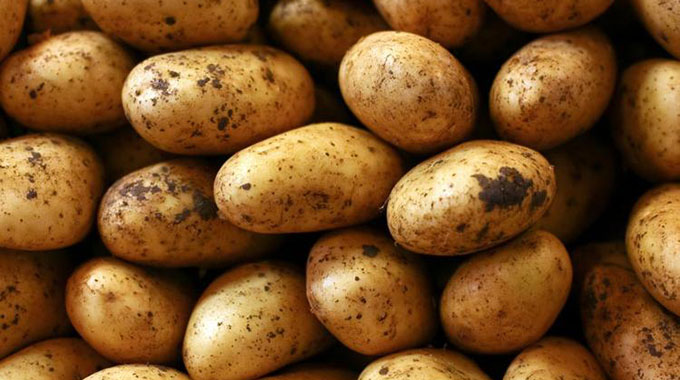
AS the world grapples with the challenges of food security and sustainable agriculture, the effects of “Late blight” on potato and tomato crops remain a major barrier.
Phytophthora infestans, the causative agent of late blight is highly adaptable and resilient and needs a proactive approach to management. This infection may seem like an uncontrollable challenge but using the latest mitigating strategies, its impact can be minimised to keep the crops safe.
This article seeks to explore the most promising and potential approaches in the fight against Late blight.
Cultural control
This refers to the manipulation of farming practices and environmental factors to prevent and minimise the incidence of late blight. The main objective of this method is to create an environment that is less conducive to disease development. This control measure incorporates the following elements:
Crop Rotation — Rotating crops with non-host crops helps to break the disease cycle.
Sanitation — Reduction of inoculum can be achieved by disposing of infected plants and debris. The use of clean and disinfected tools when working with susceptible crops helps to minimise the spread.
Soil preparation — Good soil health, structure and drainage enhance healthy plant growth and minimise disease vulnerability.
Water management — Avoid over-irrigation as it contributes to disease development by creating favourable conditions for spore germination.
Plant spacing — Maintaining the required or optimum plant spacing helps to reduce humidity and prevent the spread.
Varietal selection — Growing resistant varieties, minimise disease susceptibility.
Pruning and training — It promotes air circulation, minimising humidity.
Biological control
This is an approach in which living organisms and their products are used to control the spread of late blight. This control measure encompasses the following:

Parasitic organisms
This is the use of parasites such as fungi and bacteria that infect and control Phytophthora infestans, reducing its population and preventing infection. Parasitic organisms can produce toxins that destroy or inhibit late blight-causing pathogens. These pathogens can also minimise the virulence of the late blight pathogen, making it less aggressive. Examples of parasitic organisms are trichordema harzianum (fungus) and pseudomonas fluorescens (bacteria)
Competition
This is a control mechanism where one organism competes with another for space, nutrients and light. Important micro-organisms such as Trichordema harzianum compete with Phytophthora infestans for resources, reducing the pathogen’s ability to grow and cause infection. These parasites can occupy space on plant tissues, reducing the surface area for late blight causative agents to colonise and cause infection.
Bio-fungicides
They produce antibiotics that inhibit the growth of phytophthora infestans. Bio fungicides such as trichordema harzianum can parasitise pathogens, reducing their population.
Predatory organisms
This involves the use of predators such as nematodes that feed on Phytophthora infestans, preventing them from reaching infecting levels. These predators also reduce the amount of inoculum available for infection. Examples of predatory organisms are Aphelenchus avenae (nematode) and Phytoseinlus persimilis (mites).
Chemical control
This is the use of synthetic chemicals such as fungicides to prevent or control the spread of late blight-causing pathogens. These fungicides come in two groups namely:
Contact Fungicides
The active ingredient in these fungicides works by creating a preventative barrier on the plant surface, preventing pathogens from causing infection on the plant. Examples of these fungicides include chlorothalonil, mancozeb and copper oxychloride, amongst other products that are available on the market.
Systemic fungicides
These fungicides are absorbed by the plant and translocated to various plant tissues including leaves, stems and roots. The active ingredient in the fungicide operates within the plant system controlling infection by preventing the growth of mycelium and reducing the germination of spores on the plant surface. Most of these fungicides have a curative effect on late blight. They can be used once signs and symptoms of Late blight begin to appear. Some examples of these fungicides include metalaxyl, mefenoxam, fluopicolide, mandipropamid, cymoxanil and fenamidone. Manufacturers may have other options and it is advisable to follow their advice and recommendations.
Fungicide application timing and frequency
Apply fungicides preventatively on a regular basis before symptoms begin to appear typically at planting or transplanting, vegetative and fruiting stage, in response to weather conditions that promote disease development such as rainfall and during severe outbreaks. These preventative fungicides should be applied at regular intervals of every seven to 10 days.
As soon as symptoms begin to appear, the application of curative fungicides should commence, repeating every three to five days depending on fungicide residual activity.
The Integrated disease management approach is key in the mitigation strategies as a combination of cultural, biological and chemical control measures helps to reduce disease development, minimise the risk of resistance and promote sustainable farming practices.
Naboth Mutomba is an agriculturist. He can be contacted at [email protected] and +263779081878