Online Reporter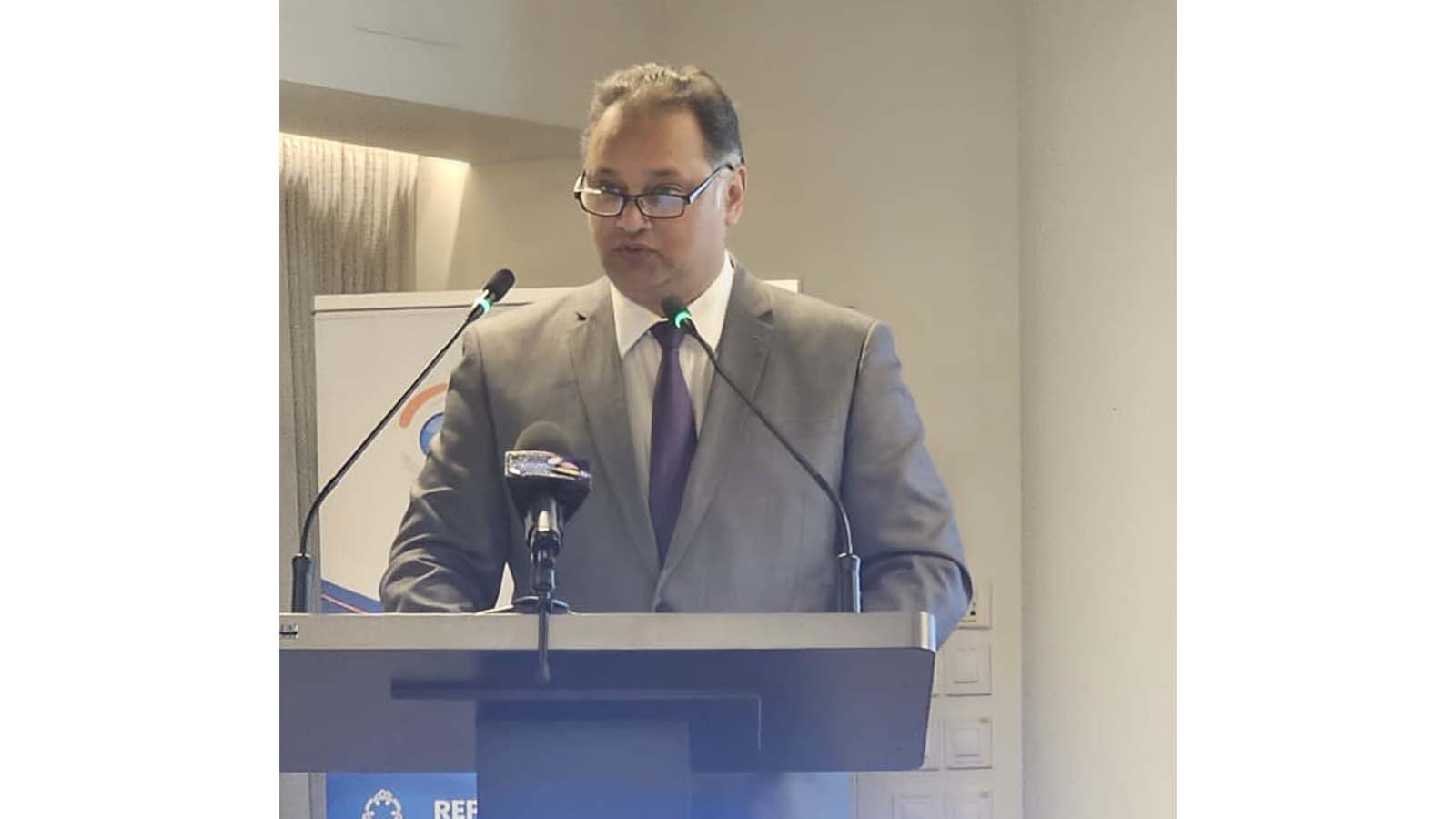
Kudzanai Sharara in Port Louis Mauritius
The objective of the Mauritius-Zimbabwe Investment and Trade Mission must be clear: to move from dialogue to business, from potential to investment, and from bilateral cooperation to stronger regional and continental value chains, Hon. Aaidil Ameer Meea, Minister of Industry, SME and Cooperatives of Mauritius, told delegates on Wednesday morning.
The call for deeper regional integration comes as Zimbabwe prepares to host the 25th Common Market for Eastern and Southern Africa (COMESA) Heads of State and Government Summit on 22 October 2026 at the new Parliament Building in Mt Hampden. By hosting the event, Zimbabwe will take over the rotational bloc chairmanship from Kenya for the 2026–2027 term, further positioning the country as a key player in regional trade and investment negotiations.
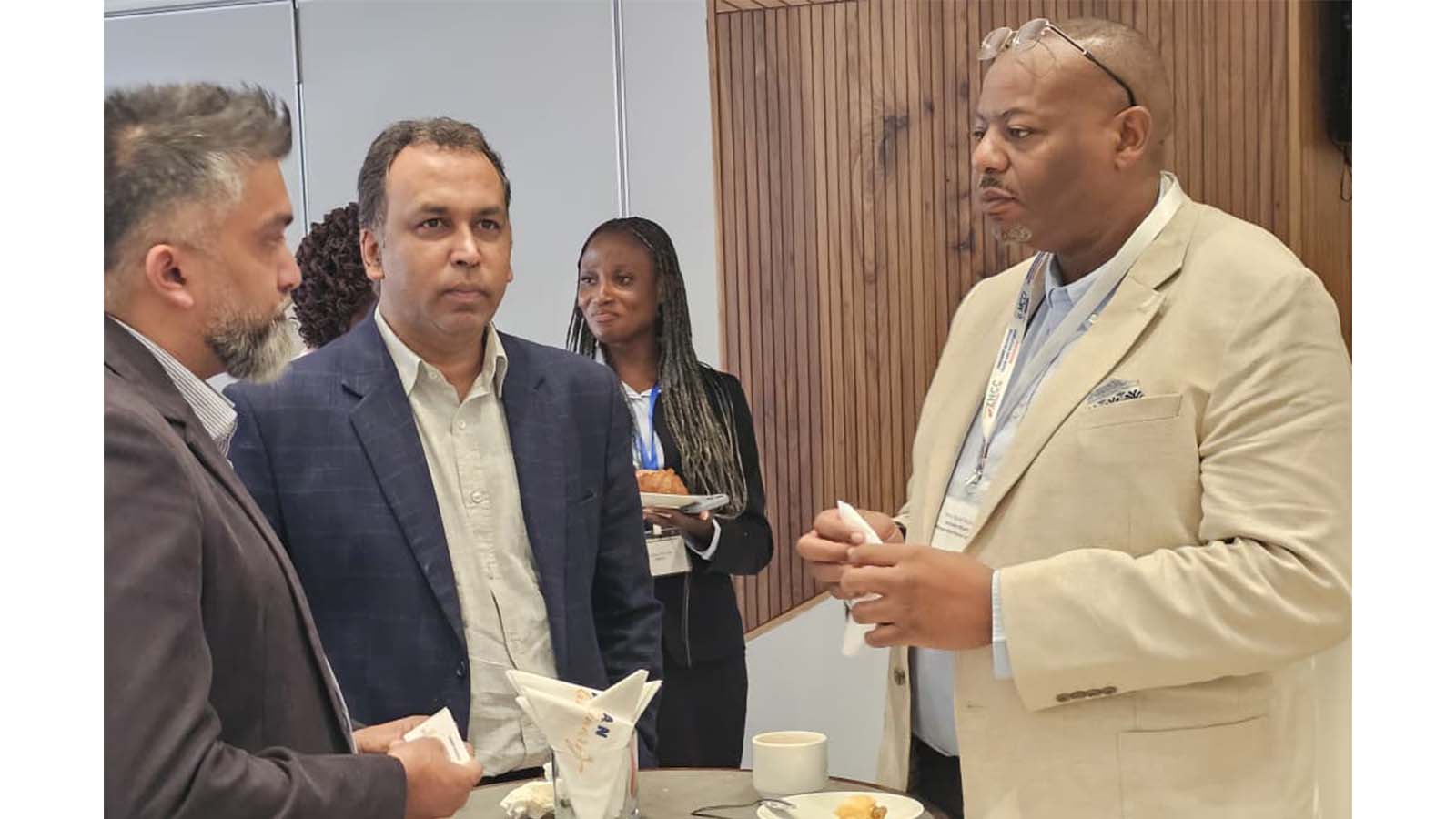
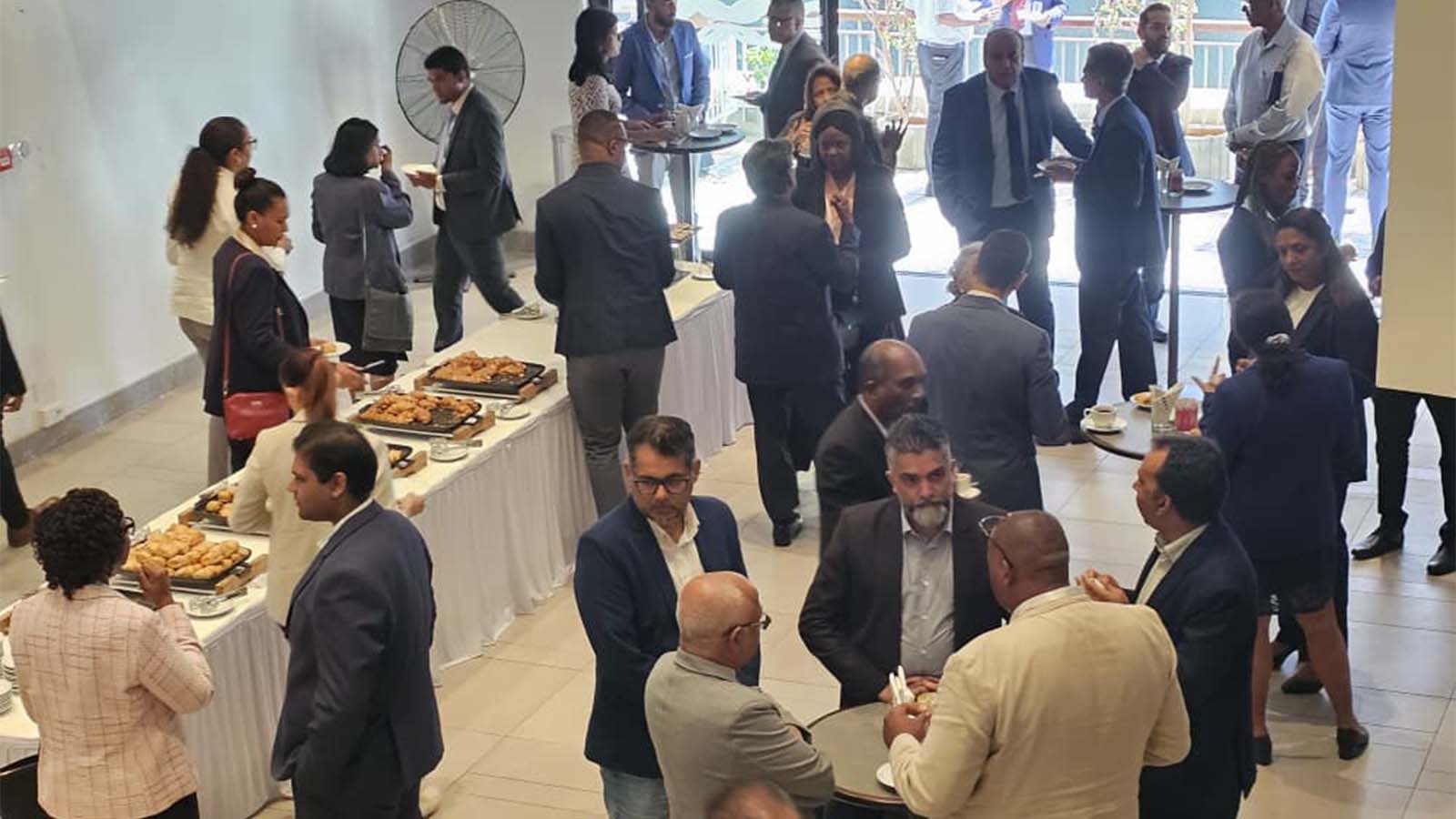
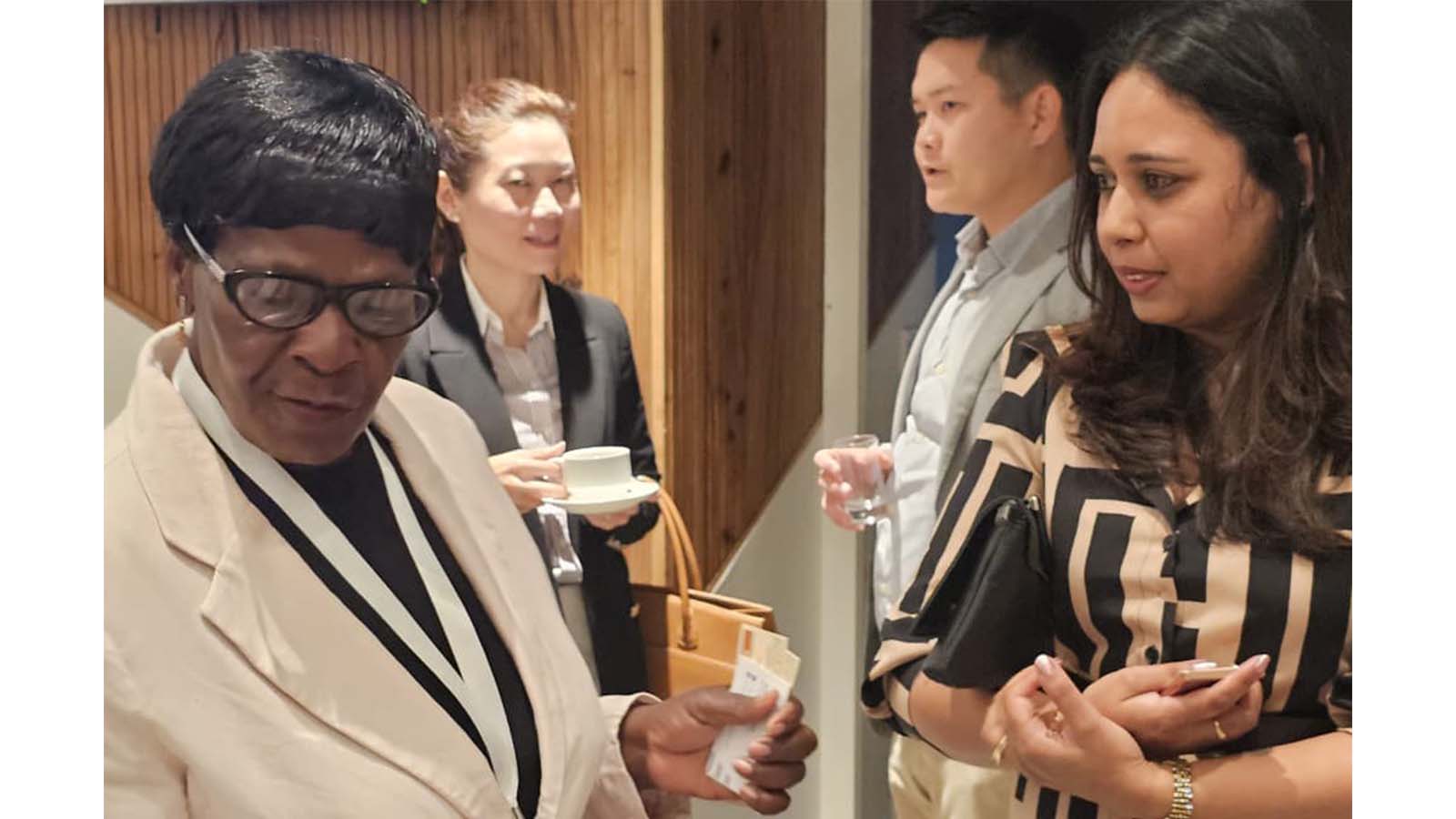
Speaking at the Caudan Arts Centre during the five-day Mauritius-Zimbabwe Investment and Trade Mission, jointly organised by the Zimbabwe National Chamber of Commerce (ZNCC) and the Mauritius Chamber of Commerce and Industry (MCCI), Minister Ameer Meea emphasised the need for tangible outcomes.
“When we need trade, investment partnerships, employment, and opportunities for our people, our objective should be clear,” he said. “To move from dialogue to business, from potential to investment, and from bilateral cooperation to stronger regional and continental value chains.”
The Minister highlighted the complementary strengths of the two nations. Mauritius has developed expertise in financial and business services, investment structuring, tourism, logistics, ICT, manufacturing, and internationally oriented services. Zimbabwe, on the other hand, possesses considerable natural resources, agricultural potential, industrial capabilities, human capital, and a strategic location in southern Africa.
“If we combine these strengths intelligently, there are significant possibilities for collaboration in agro-processing, manufacturing, tourism, renewable energy, logistics, ICT, digital services, infrastructure, and professional services,” he said.
Minister Ameer Meea noted that both countries are members of SADC, providing an important framework within which to deepen cooperation. However, he urged delegates to go beyond thinking about regional trade and instead focus on regional production.
“For too long, African countries have tried to develop complete value chains individually. But in today’s global economy, competitiveness increasingly depends on specialisation, scale, and integration,” he said. “Mauritius, Zimbabwe, and other SADC partners should identify the stages of production in which each country has a comparative advantage and then build value chains around those strengths.”
He cited the textile and apparel sector as an example, noting that Mauritius has decades of experience and could focus on spinning, fabric production, design, technology, and other higher-value activities, while certain garment production and finishing activities could be carried out with regional partners such as Madagascar, Mozambique, and Lesotho.
“This principle can extend far beyond textiles,” he said. “We can apply the same logic to agro-processing, pharmaceuticals, renewable energy, engineering, food production, and other manufacturing activities. Instead of asking whether one country can produce everything from beginning to end, we should ask which part of the value chain each of us can best perform. That is how we create scale, improve productivity, and enhance competitiveness.”
Minister Ameer Meea also stressed the importance of agriculture and food security, urging delegates to view the region not just as a market of consumers but as a potential regional food basket. He called for increased production to reduce dependence on imports, strengthen resilience, and create new commercial opportunities.
“Africa for too long exported raw commodities and imported finished products at much higher prices,” he said. “We need to process more. We need to manufacture more. We need to package, transform, and add value within Africa.”
He welcomed the African Continental Free Trade Area as one of the greatest economic opportunities available to the continent, encouraging delegates to think beyond bilateral trade. “Instead of asking only what can Mauritius export to Zimbabwe or what can Zimbabwe export to Mauritius, we should increasingly ask what can Mauritius and Zimbabwe produce together for Africa,” he said. “This is the change of mindset we need. Our partnership must be African in their outlook and global in their ambition.”
The Minister welcomed the decision by both chambers to formalise their cooperation and establish mechanisms to ensure that discussions translate into concrete action. The forum continues with B2B matchmaking sessions later today. The mission runs until 22 August.