Maria Chiguvari-Zimpapers Arts and Entertainment Hub
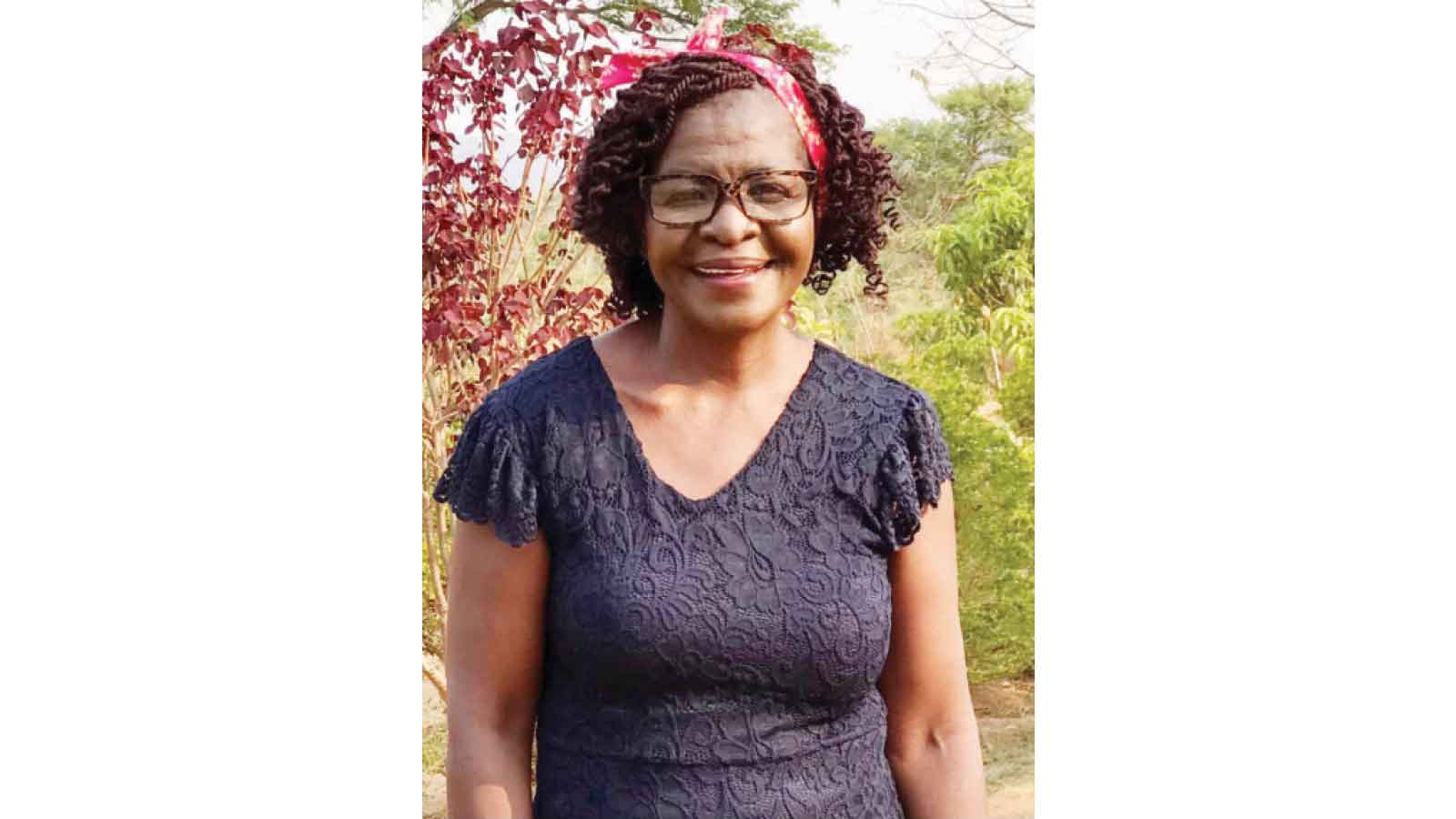
AUTHOR and poet Tebeth Dirani, popularly known as Mbuya Chanetsa, is using her first novel to preserve the customs, discipline and moral expectations which shaped relationships in the years soon after Independence.
Titled “My Obsession, Her Addiction”, the is story centred on two young lovers whose relationship takes a tragic turn after the young man secretly performs a ritual covenant, without the knowledge of his partner.
In an interview with Zimpapers, Mbuya Chanetsa tried to capture the pressures and expectations faced by young women in the 1980s, when virginity before marriage was regarded as a sign of discipline, dignity and respect.
“Culture was also valued, family and church.
“The story reflects real culture values with the engagement of aunts and the Nduma process and how parents reacted after learning that their child is in love and engaged.
“The marriage processes also are reflected in the book. Young people of the ‘80s obeyed parents and they stood as the pillars of strength in their relationship and were experienced more than them, as muzivi wenzira yeparuware ndiye mufambi wayo.
“They were also afraid of disappointing parents.”
The 58-year-old Mbuya Chanetsa said girls who maintained their virginity were honoured and, in some families, the bride’s mother received “mombe yechimanda” as appreciation for proper upbringing and mentoring.
“In the 80s, virginity was what most girls wanted to bring to their husbands as it showed kuzvibata, so they strived to maintain it.
“If maintained, the mother of the girl would receive a cow for appreciation of good mentoring. The girl was mostly honoured and respected by the marrying family.
“But marrying without being a virgin stood as a stigma, name-calling like mvana, pfambi, vakanzwa nekusvotora mimba, etc.
“Nowadays, it’s different, the husband will not expose his wife. Dating without kuonekera will sometimes cause long-term problems in the marriage, like you get married into polygamy, you discover a bad history of your spouse after and you can’t reverse hence you start to compromise and soldier on in pain.
“You know who exactly you are marrying, though not everything but at least you have a clue.
“Nowadays they can marry for outer appearances and wealthy hence culturally they valued hunhu of the spouse and the family.”