Online Reporter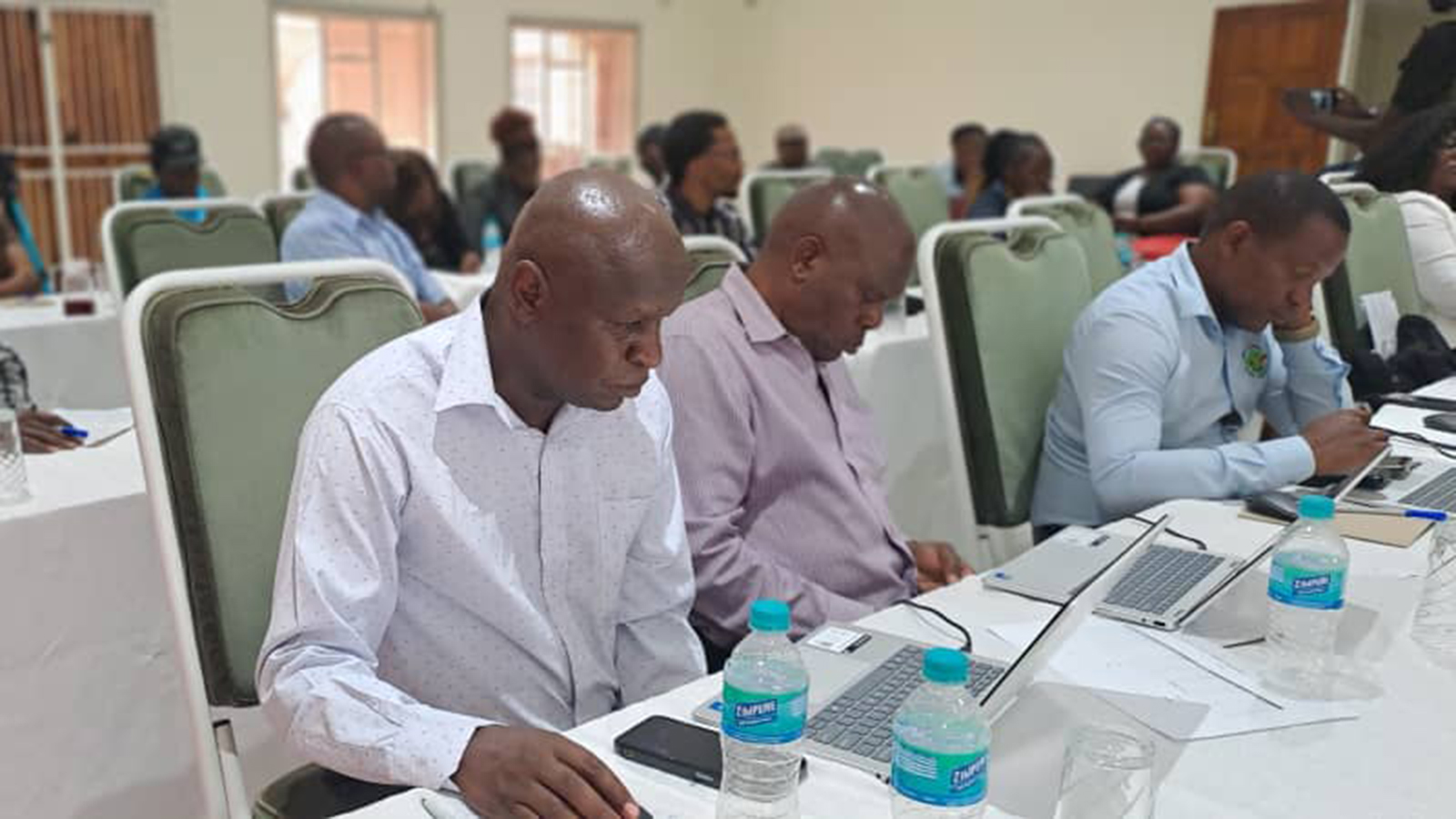
Fungai Lupande
Mashonaland Central Bureau
THE National AIDS Council (NAC) has implored journalists in Mashonaland Central Province to play a more active role in shaping public perceptions and promoting behaviour change in the fight against HIV and Aids.
Speaking at a three-day media capacity-building workshop in Bindura, NAC provincial manager Mr Edgar Muzulu said the training sought to equip journalists with up-to-date information on HIV trends, prevalence and key drivers of infection in the province.
“The media is a vital link between us and the public,” he said.
“Journalists carry messages that influence behaviour, helping communities understand what Government is prioritising in terms of HIV interventions.”
Mashonaland Central’s HIV prevalence stands at 8,5 percent, below the national average, while the incidence rate is 0,13 percent.
The province is close to achieving the global 95-95-95 targets for the 15–49 age group, although gaps remain among children aged 0–14 years, particularly in accessing antiretroviral therapy.
Mr Muzulu encouraged pregnant women to register for antenatal care to prevent mother-to-child transmission of HIV.
“Most infant infections occur among mothers who do not attend antenatal clinics,” he said.
Districts such as Mazowe, Bindura, Shamva, Mount Darwin, and Guruve have been identified as HIV hotspots due to increased mining activities attracting mobile populations.
“We have noticed a spike in new infections linked to mining sites where commercial sex work and risky behaviour are common,” he noted.
NAC continues to promote a combination prevention strategy that includes HIV testing, condom use, voluntary medical male circumcision, and the use of pre-exposure prophylaxis (PrEP).
The workshop also highlighted the importance of integrating HIV response with non-communicable diseases such as hypertension, diabetes, and cervical cancer.
With the rise of social media and digital platforms, NAC urged journalists to leverage technology to reach remote communities that have limited access to traditional media.
“Our goal is to ensure that no one and no place is left behind,” said Mr Muzulu.
“Working with the media, we can amplify life-saving messages and sustain the momentum towards ending Aids by 2030.”