Chronicle Editor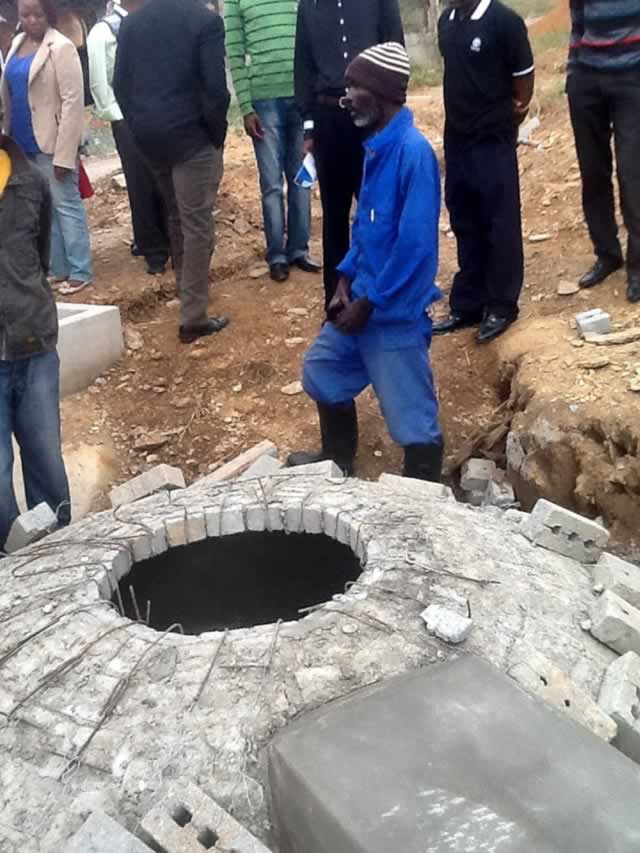
Patrick Chitumba, [email protected]
THREE boarding schools in the Midlands province have taken a major leap towards sustainability after successfully constructing biogas digesters, harnessing renewable energy and promoting eco-friendly practices.
The biogas digesters were constructed with assistance from the Rural Electrification Agency (REA), which has also trained builders across the province to promote sustainable energy solutions.
The proactive approach has equipped the Midlands province with the skills to harness biogas technology, reducing reliance on non-renewable energy sources.
Partnership between REA and local schools paves the way for a sustainable future in the Midlands province.
As Zimbabwe strives for energy self-sufficiency, initiatives like these demonstrate the potential for renewable energy to transform communities.
REA Midlands provincial manager, Engineer Silba Zimwara, confirmed the development saying the schools are Hama High in Chirumhanzu District, Pakame High in Shurugwi and Anderson High School in Gweru.
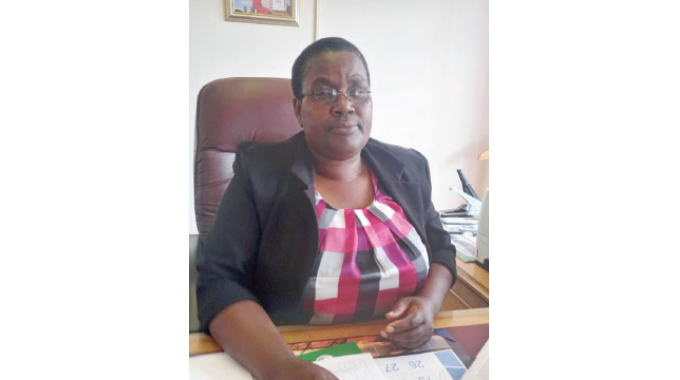
“We have biogas digester projects at the three schools and we encourage other schools to embrace the project as this reduces utility bill costs. The biogas plants are used to supply heat energy for cooking and heating chicken runs,” she said.
Eng Zimwara said the biogas digesters offer a series of benefits, addressing environmental concerns, economic challenges, and social needs.
“By converting organic waste into energy, the schools reduce greenhouse gas emissions and manage waste effectively,” she said.
“This renewable energy source also lowers energy costs, creating economic empowerment. Furthermore, the digesters improve health, enhance food security, and promote community development.”
Eng Zimwara said biogas was an environmentally-friendly and cost effective renewable energy source produced by the breaking down of organic matter such as food scraps, human and animal waste, as well as industrial waste.
She explained that decomposed waste fed into a biogas digester produces gas in the absence of air.

“The gas can then be burned as fuel for lighting, cooking and heating, while on a large scale, it can be used to generate electricity. The slug that remains is rich in nitrogen and can be used as organic fertiliser,” said Eng Zimwara.
By generating renewable energy, households and businesses reduce their reliance on fossil fuels, lowering energy costs. Excess biogas can be sold, providing an additional income stream.
Furthermore, job opportunities emerge in construction, operation, and maintenance. Biogas digesters improve community health by reducing indoor air pollution from fossil fuels. Enhanced food security results from increased crop yields and diversified farming practices.
Community-owned and managed systems empower local residents, fostering education and awareness about sustainable practices.



 Online Reporter