Chronicle Editor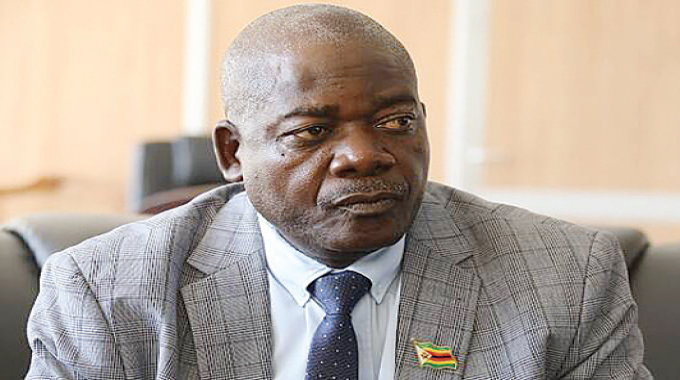
Nqobile Tshili, [email protected]
ZIMBABWE has made significant strides in mainstreaming indigenous languages in the country’s education sector, with seven of them now being taught in schools and recording improved pass rates annually.
In the past, only IsiNdebele and ChiShona were taught in schools, leading to outcries from other ethnic groups who felt marginalised by the failure to recognise their languages. However, the 2013 Constitution saw the country recognising 16 languages as official, resulting in some of them being taught in schools.
In a ministerial statement in the National Assembly on Thursday, Primary and Secondary Education Minister Torerai Moyo said the Government has made serious strides in ensuring that the education policy mandates that infancy level pupils are taught in their mother languages. According to the Zimbabwe Early Learning Policy (ZELP), pupils from Early Childhood Development to Grade 2 are supposed to be taught using their mother tongue.
“Significant progress has been made, with the Tonga language being taught and examined at Grade 7 in Matabeleland North, Midlands, and Mashonaland West. Recent examinations showed a national pass rate of 66,2 percent, an improvement from 57,1 percent in 2020. Similarly, the TshiVenda language became examinable in 2019 in Matabeleland South, achieving a pass rate of 71,6 percent in 2022 — a 5,5 percent increase from 2020,” said Minister Moyo.
TjiKalanga language, examined in Matabeleland South, achieved a pass rate of 74,1 percent in 2022, while SeSotho, also taught in the same region, recorded a pass rate of 74,6 percent compared to 56,3 percent in 2021. In total, seven indigenous languages, including ChiShona and IsiNdebele, are taught in schools.
He said Nambya started being examined in schools in 2020 and in 2022 recorded a 73 percent pass rate, up from 39,5 percent in 2020. Minister Moyo said XiShangani became an examinable subject in Masvingo in 2019, with a notable pass rate of 73,5 percent being recorded in 2022, improving from 11,1 percent in 2021.
He said the country also recognises sign language as an indigenous language, with the Infant ZimSign Language currently conducting a syllabus interpretation training stage for teachers, expected to be completed by year-end.
Minister Moyo said the Government is working towards an inclusive teaching of indigenous languages, aiming for all local languages to be taught in schools.
“The ministry is focused on increasing the uptake of all 16 officially recognised languages within the school system, ensuring that curriculum content is accessible to all pupils, regardless of their linguistic background. We acknowledge that utilising indigenous languages as a medium of instruction will significantly enhance learning outcomes and promote a strong connection to cultural heritage. The integration of local languages in education will contribute to improved literacy rates and reinforce cultural identity among Zimbabwean citizens,” said Minister Moyo.
He said the teaching of indigenous languages in schools is expected to preserve languages that are facing extinction, with the Tjwao language spoken among the San community in Tsholotsho and Bulilima being a case in point. In the San community of over 2 000 people, only eight elderly people are able to speak the language.
Minister Moyo said despite the strides that have been recorded in the preservation of indigenous languages, the country still faces many challenges in their preservation and promotion.
“Language polarisation due to cultural decay and the influence of social media. If you are not careful, social media can affect and contribute to language polarisation. Another challenge is that of inadequate documentation of languages. You may notice that of the 16 officially recognised languages, our authors are not doing enough in terms of documentation and publication of books in those officially recognised languages that I spoke about, like Nambya, Tonga, and many others,” said Minister Moyo.
He said globalisation, rapid technological advancements, budget constraints affecting cultural festivities, and the rise of certain religious movements are creating challenges in the preservation of indigenous languages. Minister Moyo said there is a need for an inclusive stakeholder approach to complement the Government in documenting and digitising content that will preserve local cultures and languages.
He said his ministry is already assisting communities in developing resource materials and best practices for teaching heritage languages.
“The Ministry of Primary and Secondary Education will continue to support innovative digital solutions for capturing and teaching indigenous languages, implement language policies informed by community collaboration, facilitate initiatives that preserve and promote indigenous languages, encourage participation in indigenous language teaching and learning, develop indigenous language resources using culturally sensitive digital technology.
“Support the transmission of cultural heritage and knowledge through languages and arts projects, create curriculum activities such as school-based projects to restore indigenous language cultures, and utilise community resources to teach heritage languages,” he said.
Minister Moyo said the ministry will continue to develop a mother tongue-based curriculum in primary and secondary education to reflect indigenous knowledge systems and values in the educational curriculum.
“We also recognise several opportunities that can enhance our efforts through advancements in digital technology, availability of skilled personnel, a vibrant multicultural society, strong Government support, media policies promoting the dissemination of national indigenous languages, integration of indigenous languages and minority content into the curriculum, and initiatives led by the First Lady, Dr Auxillia Mnangagwa, in promoting cultural recognition,” Minister Moyo said.
@nqotshili


 Online Reporter