Chronicle Editor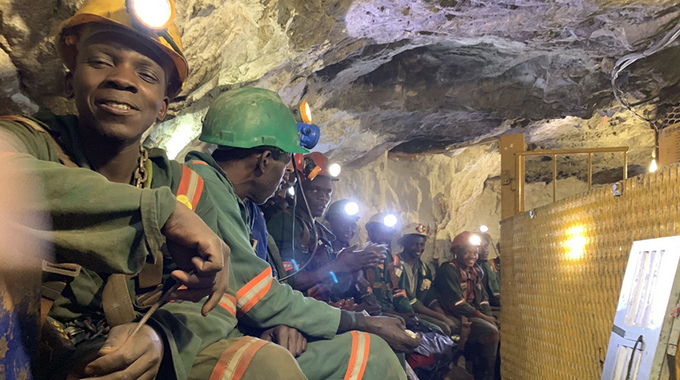
Sikhulekelani Moyo, [email protected]
DESPITE the mining sector’s significant contribution to Zimbabwe’s Gross Domestic Product (GDP), mine workers continue to endure substandard wages, the Zimbabwe Diamond Allied Mineral Workers Union (ZDAMWU) has said.
ZDAMWU, a registered trade union under Section 33 of the Labour Act Chapter 28.01, represents the interests and rights of mine workers. In its latest newsletter, the union highlighted the plight of mine workers, comparing their struggles to the relatively better conditions enjoyed by their counterparts in the region.
In a recent newsletter, the union said that mine workers in the country are leading poorer lives compared to their counterparts in the region

ZDAMWU general secretary Mr Justice Chinhema expressed concern over the persistent failure to provide mine workers with a living wage, despite their critical role in the economy.
“Mine workers deserve a pay structure that includes essentials such as a basic living wage, decent accommodation, robust medical care, safe transport to and from work, skills development, leave allowances, and production bonuses among others,” he said.
The last Collective Bargaining Agreement (CBA) signed in April 2024 set the basic minimum wage for the industry at US$372 per month. However, ZDAMWU has criticised this figure, calling it a “sell out agreement” and demanding a minimum wage of at least US$600.

Mr Chinhema explained that the cost of living in mining districts such as Gwanda, where transactions are often conducted in South African rand and Botswana pula, has further eroded workers’ purchasing power.
“The majority of workers, including unionised ones, face income insecurity. Many are paid below the National Employment Council (NEC)-stipulated wages or go for months without receiving their salaries,” he said.
Mr Chinhema also highlighted the reluctance of many workers to use works council bargaining platforms due to fear of victimisation. This, he said, contravenes International Labour Organisation (ILO) conventions on collective bargaining and the Labour Act. “Employers increasingly favour short-term contracts for jobs of a permanent nature, leaving workers vulnerable and weakening their bargaining power. Many workers are afraid to join trade unions, fearing job losses,” he said.
To address these challenges, ZDAMWU has pledged to actively participate in transforming bargaining platforms to secure a living wage that reflects the value of minerals extracted.
“The union will push for profit-sharing and employee ownership schemes, engage the NEC for thorough job evaluations, and address salary discrepancies across the sector,” said Mr Chinhema.
He said ZDAMWU remains committed to advocating for mine workers, aiming to create an equitable
environment where workers’ rights are protected and their contributions recognised.–@SikhulekelaniM1


 Online Reporter