

 Online Reporter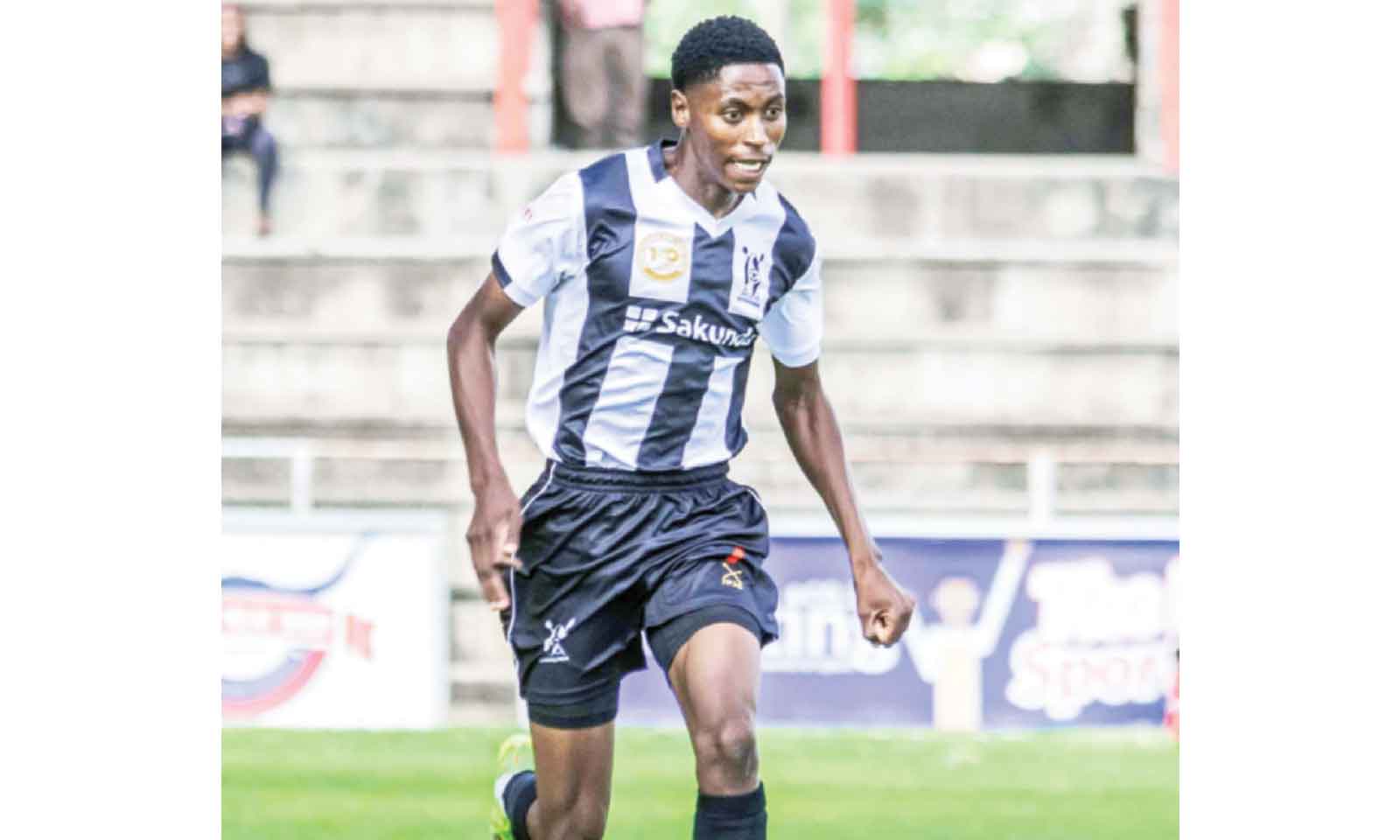
Stanford Chiwanga. [email protected]
Why the Highlanders technical bench must intervene before ‘Smaller’ allows his
indiscipline to outshine his undeniable magic
WEDNESDAY afternoon. 85 minutes played. Chicken Inn 1-3 Highlanders. Mongameli Tshuma starts dancing. The crowd roars its approval. What else can they do? They are there to be entertained, and for much of the second half they had been exactly that. Then came the 93rd minute. The ball was laid neatly at the feet of the playmaker.
No defender in front of him. Acres of space ahead. The pitch wide open, the opposition nowhere in sight. Instead of driving forward, he chose to showboat. He stood on the ball and soaked it all in as the crowd went wild. On the touchline, Benjani Mwaruwari lost it, kicking the ground in frustration.
He was not alone. Many shook their heads. The boy is getting a big head, they muttered. Harsh, perhaps, but that judgement did not come out of nowhere. Those words were born of patterns they recognised. Smaller, as Tshuma is affectionately known, had been flirting with the darker side of his beautiful football for weeks leading into that clash with Chicken Inn. It was no shock to those watching closely that he once again revealed his Dr Jekyll and Mr Hyde tendencies.
There is no question that Tshuma is living the dream most young footballers only dare to imagine. He plays in the biggest matches Zimbabwean football can offer, scores goals that lift entire stadiums and enjoys the adoration of one of the most demanding fan bases in the country. Week after week, he produces flashes of brilliance that hint at a player built for greater stages. When he is on song, Highlanders are sharper, bolder and more dangerous. When the ball sticks to his feet, defenders freeze.
This critique comes from a place of belief, because Tshuma is exactly the kind of playmaker Highlanders – and the national team – have been crying out for, and everyone wants to see him go as far as his talent can take him.
But football’s cruellest truth remains unchanged. Talent opens doors. It does not keep them open. In the modern game, reputations cross borders faster than highlights. Scouts and recruitment analysts from outside Zimbabwe are not only watching goals and tricks; they are profiling behaviour. Clubs looking abroad for talent are risk‑averse. They invest millions and expect professionalism, restraint and emotional intelligence. With his current conduct, it is difficult to imagine any serious foreign club committing to Tshuma. Showboating when the decisive moment demands decisiveness, or losing composure when tension rises, sends a clear message to scouts: this is a talent that cannot yet be trusted. Doors that might once have opened quietly begin to close just as quietly.
There is also a far more dangerous consequence Tshuma appears to be underestimating: physical retaliation. Opposition players do not take kindly to being mocked. In domestic football especially, repeated showboating places a target on a player’s back. Tackles become heavier. Challenges arrive late. Intimidation replaces instruction. History shows that footballers who humiliate opponents eventually pay in bruises, knocked ankles and career‑altering injuries. Protecting oneself is as much about decision‑making as it is about skill.
Right now, Tshuma is flirting with a reputation far more dangerous than that of a gifted match winner. His recent behaviour, both on and off the pitch, points to a young player struggling to handle pressure, attention and expectation. Fame is knocking early, and unless he answers it with care, it will lead him down a road many have travelled before him – and regretted deeply.
The warning signs were impossible to ignore during the Battle of Zimbabwe at Rufaro Stadium in mid-March. Tshuma had already delivered a moment of pure magic, gliding past Dynamos defenders to score a sensational solo goal that briefly put Highlanders in control. It was the sort of strike that defines derbies and etches names into folklore.
Then, almost immediately, he nearly undid it all. Late in stoppage time, with absolutely no footballing reason to get involved, Tshuma lost his composure. Away from the ball, he nudged Dynamos midfielder Collin Mujuru, sparking tempers and dragging teammates into an unnecessary confrontation. It was reckless. It was needless. And it came at the worst possible time. A red card would have meant suspension, missed matches and a very different narrative afterward.
Instead, he escaped punishment. Referee Thabani Ruzario chose restraint, showing a yellow card and prioritising control in an emotionally charged derby. Tshuma stayed on. The match finished 2-2. But that escape should have rung alarm bells. It did not.
Against ZPC Kariba, the same weaknesses resurfaced. Frustrated by another looming draw and physically held back as he attempted to launch a counter attack, Tshuma snapped. He threw an elbow in retaliation – a moment driven by emotion rather than football. Again, he was fortunate. Another yellow card where red would have been justified. Another incident brushed aside when it should have been addressed.
This is also where responsibility must shift firmly to those on the bench. Head coach Benjani, assisted by Mkhokheli Dube and Bekithemba Ndlovu, together with team manager Zenzo Moyo, cannot afford to be spectators to Tshuma’s slow drift towards self‑destruction. These are men who have seen football’s highest peaks and ugliest pitfalls. They have lived the consequences of talent mishandled and discipline ignored. It is now their duty to rein him in, firmly and without apology. If that means pulling him by the ear and sitting him down for an uncomfortable, honest conversation, so be it. Great players are not only coached on the training pitch; they are shaped through guidance, correction and boundaries. Tshuma does not need flattery right now – he needs direction, discipline and authority from figures he respects, before lessons that can be taught quietly are instead learned painfully in public.
These moments are no longer isolated. They are forming a pattern. What adds to the concern is that questions are also being whispered away from the pitch. While on national team duty in Botswana, Tshuma was in the same room as fellow Warriors players when Teenage Hadebe was suspended for drinking whisky, a clear breach of team rules that embarrassed the squad. Tshuma was not punished and was never formally accused of wrongdoing. Officially, his record remains clean.
But football careers are not shaped on paper alone. They are moulded by perception, by associations and by the company players keep. In the court of public opinion, silence and proximity can damage reputations just as much as direct involvement. Once doubt creeps in, it is hard to erase. This is the moment Tshuma must wake up to the weight that comes with visibility. Bosso fans adore him now, but football love is never unconditional. Supporters will cheer flair and forgive error, but they will not tolerate repeated indiscipline that puts the team at risk.
No club builds its future around a player who cannot be trusted in decisive moments. Creativity mixed with chaos eventually becomes more burden than blessing.
The greatest players learn early that discipline is not a limitation. It is a shield. They turn frustration into intelligence, aggression into purpose and pressure into performance. They walk away when opponents bait them.
They think first, act later and leave referees with no decisions to make. Zimbabwean football has lost too many gifted talents to ego, impatience and poor choices. Tshuma still has time to avoid that fate, but time is no longer on his side. The message is simple and urgent: grow up, steady yourself and protect your name. Goals win matches, but character decides careers.
@plainstan


Firstly this boy isn’t a great player yet. I concur that he is only starting to show some flashes of brilliance. It is however unfair to attack him for something the same attackers created. The writer of this piece should go back to his previous article about Tshuma. He had only played one game when the author of this same retribution hailed him as national team material. What did he expect the young mind to do? Go to sleep? Keep his excitement buried in his butt? We saw how great talents got destroyed by the media and fans alike. Archieford Chimutanda, Rodrick Mutuma, Denver Mukamba, Jabu Mahlangu (Pule), Junior Khanye, the list is endless. You cannot point fingers at these players without taking some responsibility for their waywardness too.