Online Reporter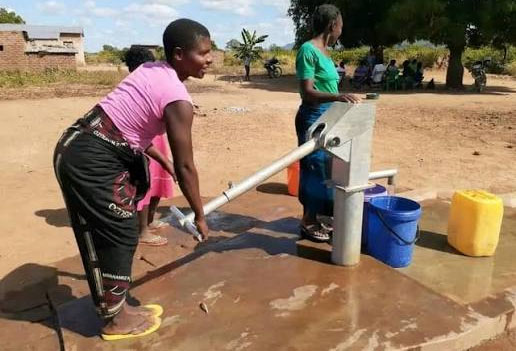
Brian Matikiti
Correspondent
THE goal to ensure universal access to safe and clean water has greatly improved the quality of lives for villagers in Mutema-Musikavanhu Constituency following the rehabilitation of boreholes in the area.
This is all thanks to the resourcefulness of House of Assembly representative and Ministry of Primary and Secondary Education Deputy Minister, Honourable Angeline Gata.
The development, which comes as a breakthrough for public health, while resonating with National Development Strategy (NDS2) and Vision 2030 was made possible by the Government in partnership with Tzu Chi Foundation.
The project also aligns with the Rural Development 8.0 Programme, aimed at enhancing community livelihoods, while also providing safe water for the people.
Honourable Gata thanked the development partners that implemented the project, saying their unwavering commitment to complimenting the Government’s efforts of providing safe water for its people should be emulated by other stakeholders.
“The scheme is providing clean water to the villages aligning with the country’s development priorities and Sustainable Development Goals (SDGS). We are proud to be part of this initiative which demonstrates the power of partnership in achieving meaningful development outcomes,” said Hon Gata.
The rehabilitation of the boreholes has significant health implications for the community as water-borne diseases like cholera, typhoid and diarrhoea will be a thing of the past.
Mutema-Musikavanhu Constituency Ward 25 councillor, Councillor Pioneer Manyama Gavhumende said the rehabilitation of the boreholes will address the perennial water challenges faced by the community.
“Under the Second Republic, we are committed to ensure that every citizen has access to basic services like clean water. This scheme is proof that President Mnangagwa is walking the talk when it comes to his Government’s resolve to leave no one and no place behind,” said Councillor Gavhumende.
Prior to the latest intervention, community members especially women had to walk long distances to fetch water from unprotected sources, exposing them to various health hazards.
A villager in Rimai community, Mrs Senzeni Maposa (75), welcomed the development, saying she previously relied on water from Musvazvi River which is more than five kilometres from her home.
“I stay alone and my young grandchild would come and help me fetch water from the river. I am grateful that we now have clean and safe water nearby which has improved our overall well-being and health,” she said.
The project has, not only provided clean water for domestic use, but also for schools, clinics, dip tanks and nutritional gardens.