admin
admin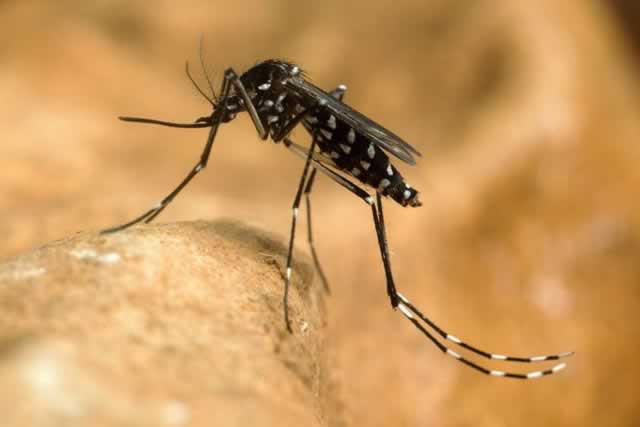
Dr Matshidiso Moeti Special Correspondent
On April 25, 2015 the world commemorates World Malaria Day under the theme, “Invest in the future; Defeat malaria”. The theme highlights the need for increased financial and human resources, commodities and infrastructural investments to control and eliminate this life-threatening disease.
Malaria can be prevented or controlled through the use of long lasting insecticidal bed nets (LLINs), indoor residual spraying (IRS), preventive therapies for pregnant women, children under five and infants, as well as quality-assured diagnostic testing and treatment.
Most malaria prone countries are still far from achieving universal coverage of these malaria interventions.
Increased malaria funding is needed in order to save lives and further expand access to malaria prevention, diagnosis and treatment services in the region.
This is even more critical given the urgent need to tackle malaria drug-resistance and other emerging threats, such as mosquito resistance to insecticides.
In 2013, an estimated 163 million cases of malaria occurred in the African region.
This caused approximately 528 000 deaths. Between 2000 and 2013, the estimated number of malaria cases in the at-risk-population declined by 34 percent while malaria death rates declined by 54 percent in the African region.
In spite of this progress, countries in the region are not likely to attain the World Health Assembly target of a 75 percent reduction in malaria cases and deaths by 2015.
In Zimbabwe malaria is mainly seasonal and confined to the border areas where water bodies are conducive for mosquito breeding. The country experiences malaria outbreaks mainly during the rainy season.
The major issue for malaria control in Zimbabwe is to fully implement pre-elimination measures so that we can truly reach malaria elimination phase.
This is through prompt diagnosis and treatment of all positive cases with effective artemisinin based combination therapy; use of Indoor Residual Spraying and long lasting insecticidal treated nets in malaria high transmission areas and closely monitoring the development of vector resistance to insecticides as well as parasite resistance to ACTs.
Limited access to and underutilisation of available malaria interventions within countries are the major causes of excessively high burdens of malaria cases and deaths.
For instance in 2013, 33 percent of households in the region still did not own even a single LLIN and only 29 percent of households had enough LLINs for all household members.
There is a global consensus to reduce malaria mortality and incidence rates by at least 90 percent by 2030 and eliminate malaria.
The proportion of people protected by at least one malaria control method has increased in recent years but total funding will only match needs if international donors and partners and national governments prioritize further investments in malaria control.
As we commemorate World Malaria Day, I call upon countries and stakeholders to focus on targeting available resources at places where the burden of malaria is highest and at the people and groups who face the highest risk of malaria.
I would also like to urge countries and stakeholders to invest in national and community systems in order to test every suspected case of malaria before administering treatment.
All confirmed malaria cases should also be documented and reported in order to determine the geographic areas where malaria is most prevalent and the population groups that are at the greatest risk.
On its part, the WHO Regional Office for Africa will continue to provide evidence-based guidance to all countries and stakeholders to better target malaria interventions, strengthen national health systems towards universal health coverage, and accelerate progress towards a malaria-free Africa.
Dr Matshidiso Moeti is the World Health Organisation’s Regional Director for Africa.


 Online Reporter