Online Reporter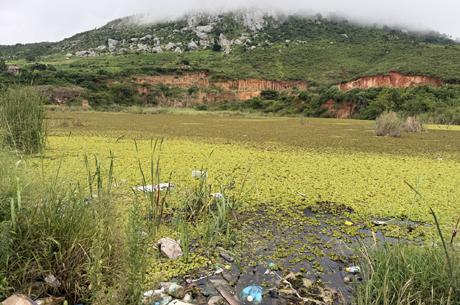
Josephine Nyamwanza
Correspondent
COMMUNITIES across Manicaland Province have been urged to step up malaria prevention and control efforts as the rainy season intensifies the risk of transmission.
The rainy season traditionally brings a surge in malaria cases due to increased mosquito breeding.
Malaria remains a major public health challenge in the province, particularly in areas with high mosquito activity, and continues to claim lives each year. Vulnerable groups such as pregnant women and children are especially at risk. Persistent rains often create stagnant pools of water around homesteads, farms, and open spaces — ideal breeding grounds for mosquitoes.
As mosquito populations rise, so does the likelihood of malaria spreading, particularly in rural communities with limited access to health services.
Manicaland provincial health promotion officer, Mrs Agnes Mugumbate, warned on Wednesday that the province faces heightened risk during this period, especially in farming and rural areas where environmental conditions favour mosquito multiplication.
She stressed that the increased rainfall poses serious public health challenges if communities fail to adopt stronger preventive measures.
Mrs Mugumbate encouraged households to drain stagnant water, use protective measures such as mosquito nets, and remain vigilant to reduce exposure. Without intensified community action, the rainy season could undermine ongoing efforts to curb malaria in the province. “Stagnant water created by heavy rains provides ideal breeding ground for mosquitoes, driving up infections, particularly in rural and farming communities. This is why we are urging communities to take responsibility for their environment by clearing stagnant water, cutting grass and bushes around their homes, and ensuring proper waste disposal,” said Mrs Mugumbate, adding that the Ministry of Health and Child Care has intensified malaria control and awareness campaigns across all districts in Manicaland, with health personnel conducting community outreach programmes to educate people on prevention, early detection and treatment of the disease.
She said statistics for this year were not readily available, and their focus is on prevention.
“We are carrying out awareness campaigns in all areas of the province through our health workers. Communities are being educated on how malaria is transmitted, the dangers of delayed treatment and the importance of prevention measures such as using insecticide-treated nets,” she said.
Mrs Mugumbate added that Indoor Residual Spraying (IRS) is currently underway in malaria-prone areas as part of efforts to reduce mosquito populations.
The programme involves spraying insecticides on the inside walls of houses to kill mosquitoes that rest there.
“Indoor residual spraying is one of the key interventions we are implementing to control malaria. We are encouraging communities to cooperate with spray teams and allow their homes to be sprayed, as this significantly reduces the risk of infection,” she said.
Manicaland has several areas that record high malaria cases annually, particularly districts located in low-lying and farming regions such as Mutasa, Chimanimani, Chipinge, Nyanga, Makoni and parts of Buhera.
Cross-border movement and agricultural activities also contribute to increased exposure, as people often work outdoors or sleep in temporary shelters where protection against mosquitoes is limited.
Malaria is caused by parasites transmitted to humans through the bites of infected female Anopheles mosquitoes. Once infected, individuals may experience symptoms such as fever, chills, headaches, sweating, nausea, vomiting and general body weakness. In severe cases, malaria can lead to complications including anaemia, organ failure and even death if not treated promptly.
Mrs Mugumbate urged residents to seek early medical attention at the nearest health facility if malaria symptoms appear.
“Early diagnosis and treatment save lives. People should not delay or resort to self-medication. Anyone experiencing fever or flu-like symptoms should visit a clinic immediately,” said Mrs Mugumbate.
At national level, Government continues to strengthen malaria prevention and control efforts through the distribution of insecticide-treated nets, indoor residual spraying, community education and improved access to diagnostic and treatment services.
These interventions are implemented annually, particularly ahead of and during the rainy season, to reduce malaria-related illness and deaths.
Health officials emphasise that while Government programmes play a critical role, community participation remains essential in the fight against malaria.
By maintaining clean surroundings, using mosquito nets consistently and seeking timely treatment, communities can significantly reduce the burden of the disease during the rainy season.
Common symptoms include: Fever and chills, headaches, muscle and joint pain, sweating and night sweats, nausea and vomiting, anaemia, severe complications. If untreated, malaria can cause organ failure, cerebral malaria (affecting the brain), and death.
Prevention strategies include: Insecticide-Treated Nets (ITNs) — sleeping under treated mosquito nets significantly reduces mosquito bites.
Indoor Residual Spraying (IRS) — applying insecticides to indoor surfaces helps kill mosquitoes that rest inside homes. Environmental management — eliminating mosquito breeding sites by draining stagnant water and clearing bushes.
Personal protection
Wearing protective clothing — long-sleeved shirts and trousers help reduce skin exposure.
Using mosquito repellents — applying repellents with DEET or other effective ingredients prevents bites.
Avoiding outdoor activities at peak hours — mosquitoes are most active during the evening and early morning.
Chemoprophylaxis (preventive medications)
Antimalarial Drugs — for travellers and those in high-risk areas, taking prescribed prophylactic medication reduces the risk of infection.
Early diagnosis and treatment
Rapid Diagnostic Tests (RDTs) — quick testing in healthcare centres allows for early detection.
Effective Antimalarial Treatment — artemisinin-based combination therapy (ACT) is the standard treatment for malaria in Zimbabwe.