daniel chigunwe
Innocent Mujeri
Herald Correspondent
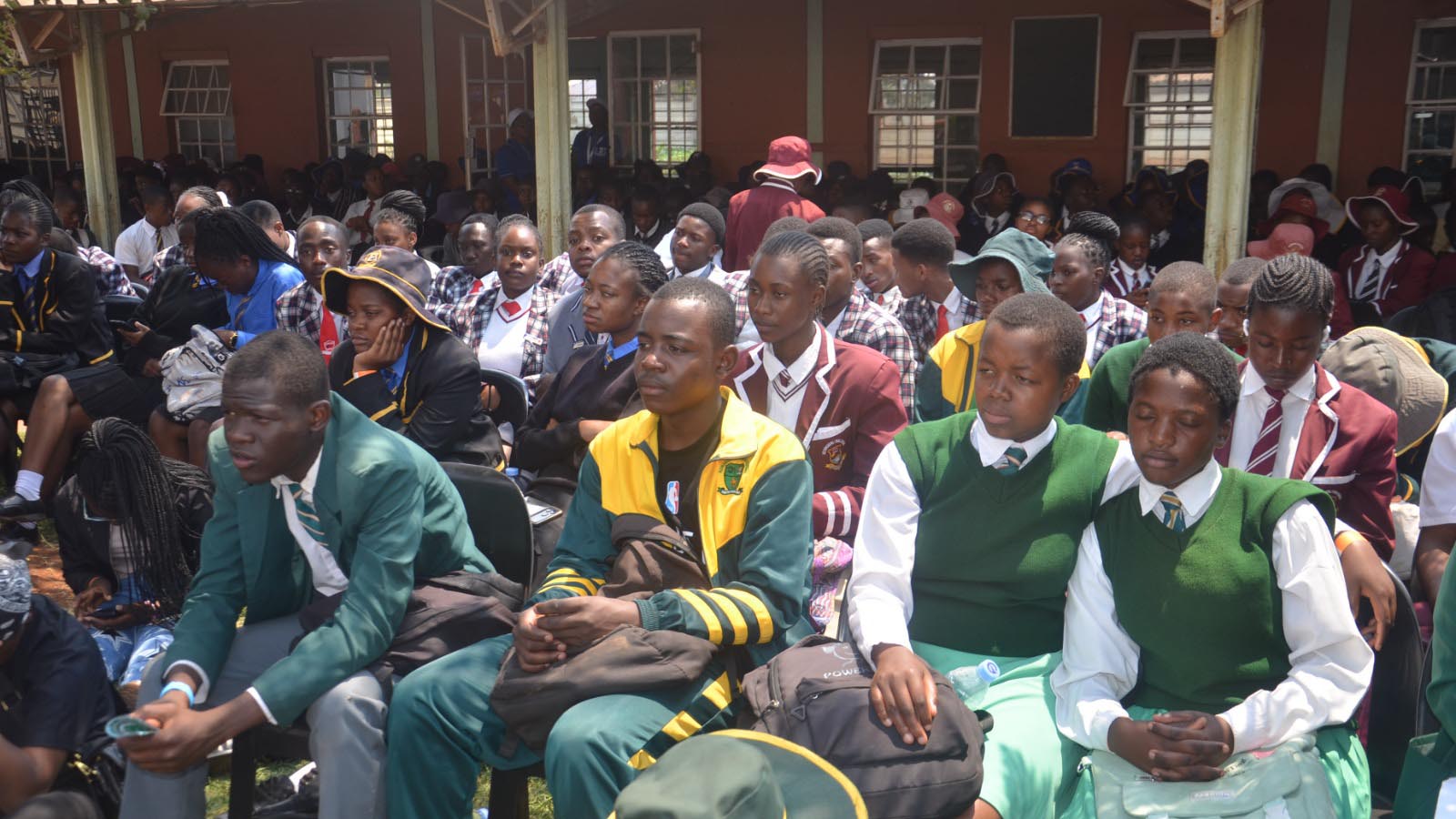
Every year on February 21, Zimbabweans comes together to celebrate National Youth Day, dedicated to honouring the vital role that young people play in shaping the country’s present and future.
Established as a national holiday in 2017, this day is an opportunity to reflect on the immense potential that Zimbabwean youth possess and to encourage their active participation in national development.
More than just a commemoration, National Youth Day is a call to action; a reminder that investing in young people is investing in the country’s prosperity.
Zimbabwe’s youth make up a significant portion of the population.
According to recent statistics, over 60 percent of Zimbabwe’s population consists of young people under the age of 35.
This demographic structure presents both a challenge and an opportunity.
The challenge lies in ensuring that young people are provided with adequate education, employment opportunities, and platforms to contribute meaningfully to the country’s development.
The opportunity, however, is immense: a well-equipped and empowered youth population can drive innovation, economic growth, and social progress.
National Youth Day is more than just a public holiday; it is a symbol of hope, unity, and renewal.
It highlights the importance of youth empowerment and the role of young people in shaping a better Zimbabwe.
The day is also tied to the legacy of former President Robert Mugabe, who played a significant role in advocating for youth inclusion in national matters.
Despite their potential, young Zimbabweans face numerous challenges, including limited access to capital for entrepreneurial ventures, and gaps in the education system that do not always align with modern job market demands. However, these challenges should not be seen as roadblocks but rather as areas that require strategic solutions and Government intervention.
One of the most pressing issues is unemployment.
Many young people graduate from universities and technical colleges only to find limited job opportunities.
The key to solving this issue lies in promoting entrepreneurship and equipping young people with skills that enable them to create their own opportunities.
Government has taken steps toward youth empowerment through initiatives, such as the creation of the Zimbabwe Youth Council (ZYC), youth empowerment banks, and skills development programmes. However, there is still need for more robust and sustainable policies that support young people in translating their ideas into successful businesses and careers.
Education also plays a crucial role in youth development. While Zimbabwe boasts a high literacy rate, the education system must continue evolving to meet the demands of the digital age.
STEM (Science, Technology, Engineering, and Mathematics) education, vocational training, and digital literacy should be emphasised to ensure young people are equipped with relevant skills.
Additionally, there should be stronger collaboration between educational institutions and industries to bridge the gap between theoretical knowledge and practical skills. Zimbabwe’s young people are not just the leaders of tomorrow; they are the change-makers of today.
Across various sectors, youth are making significant contributions, from agriculture and technology to arts and civic engagement. In agriculture, young farmers are embracing modern techniques, such as hydroponics and organic farming to boost food security and contribute to the economy.
With the right support, agriculture can become an attractive and viable career option for young Zimbabweans, helping to reduce unemployment and increase productivity.
Technology is another area where youth are driving progress. The rise of start-ups in fintech, e-commerce, and software development demonstrates the innovative spirit of Zimbabwe’s young entrepreneurs.
Access to technology and internet connectivity remains a challenge in some rural areas, but as Government and private sector invest in digital infrastructure, more opportunities will open up for young innovators.
The arts and entertainment industry is another space where Zimbabwean youth are excelling.
From music and film to fashion and literature, young creatives are telling Zimbabwe’s stories and making an impact on both local and international platforms.
Recognising and supporting the creative economy can provide sustainable livelihoods for many talented young people. Additionally, youth engagement in civic and political matters is increasing.
More young people are participating in policy discussions, advocating for their rights, and contributing to community development.
It is essential to create more platforms where youth voices are heard and considered in decision-making processes.
As Zimbabwe celebrates the National Youth Day, it is essential to move beyond rhetoric and take concrete steps to support youth development.
Enhancing youth participation in governance is crucial, and young people should be given more opportunities to participate in leadership and decision-making at local and national levels. This can be achieved through youth representation in government structures, policy-making bodies, and advisory councils.
Strengthening vocational training and entrepreneurship support is equally important. There is need to expand access to vocational training and mentorship programmes that equip youth with practical skills. Additionally, financial institutions should provide flexible funding options for young entrepreneurs.
Investing in digital infrastructure and innovation is another key area.
Expanding internet access and technology hubs can help young Zimbabweans tap into global markets and opportunities. The Government and private sector should collaborate in fostering an environment that supports digital start-ups and tech-driven solutions.
Expanding access to funding for youth projects is essential, as financial support remains a critical factor in youth empowerment.
Government initiatives, private sector investments, and international partnerships should provide funding and grants for youth-led businesses and community projects. Encouraging community involvement and volunteerism should also be a priority, as youth should be encouraged to engage in community service, environmental conservation, and social impact initiatives.
Volunteerism not only benefits communities but also builds leadership and teamwork skills among young people.
Zimbabwe’s National Youth Day is a powerful reminder of the resilience, talent, and potential of young people.
As the country looks ahead, it must continue to prioritise youth development by providing the necessary support, resources, and opportunities for young people to thrive.
A nation that invests in its youth is a nation that secures its future.
By celebrating National Youth Day with optimism and a commitment to action, Zimbabwe can harness the energy, creativity, and ambition of its youth to build a brighter and more prosperous future for all.
Let this day serve as both a celebration and a call to action; because the future of Zimbabwe is in the hands of its youth.


 Online Reporter