Online Reporter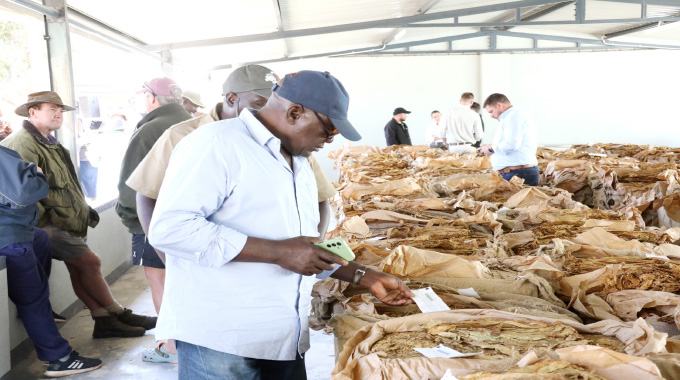
Theseus Shambare-Herald Correspondent
The agriculture sector is set to build on gains recorded under National Development Strategy 1 and move towards full food security and sovereignty, after emerging stronger from the triple shock of climate change, Covid-19 and global geopolitical conflicts.
Despite severe disruptions during the NDS1 period, Government says the foundations laid over the past five years have positioned the sector for accelerated growth, modernisation and export-led expansion under NDS2.
Under NDS1, Zimbabwe was hit by a convergence of shocks that disrupted production and supply chains.
The conflict between Russia and Ukraine — among the world’s major exporters of fertiliser and related inputs to Zimbabwe — led to shortages and soaring prices, while Covid-19 lockdowns further constrained access to critical inputs and drove up production costs.
These challenges were compounded by worsening climate variability, which forced Government to rethink agricultural policy and fast-track a shift towards resilience, localisation and internal capacity.
Despite the hostile operating environment, the sector recorded historic achievements across several value chains during the strategy period.
Wheat production surged from about 60 000 tonnes in 2017 to more than 640 000 tonnes by 2025, with the planted area doubling to 122 000 hectares and smallholder farmers contributing nearly 60 percent of national output.
Tobacco production reached a record 355 million kilogrammes in 2025, surpassing the NDS1 target of 300 million kilogrammes ahead of schedule.
Horticulture also expanded sharply, with blueberry output exceeding 9 000 tonnes and avocado production placing Zimbabwe among the world’s top five producers.
In an interview, Lands, Agriculture, Fisheries, Water and Rural Development Permanent Secretary, Professor Obert Jiri, said the shocks triggered by Covid-19, climate change and global conflict compelled Government to refocus agriculture policy around recovery and long-term resilience.
“Covid-19 and global conflicts exposed the vulnerabilities of relying on external supply chains, particularly for fertiliser and other inputs, which pushed up production costs. NDS1 came at an opportune time for us to rethink and refocus on building resilience and ensuring we produce enough locally,” he said.
Prof Jiri said climate-proofing agriculture became a central pillar of NDS1, anchored on irrigation development, dam construction and the consolidation of the Pfumvudza/Intwasa model.
“At least 12 dams were initiated or constructed during the strategy period, with projects such as Muchekeranwa and Chivhu transforming surrounding communities through irrigation, fisheries and water reticulation systems.
“This is where the concept of a dam as an economy was born. A dam is no longer just a wall holding water — it must support irrigation, fisheries, hydropower and community livelihoods,” he said.
He added that the approach has since been refined under NDS2, with flagship projects such as the Gwayi-Shangani and Kunzvi dams now prioritised for completion to support irrigation expansion, urban water supply and energy generation.
Beyond infrastructure, Prof Jiri said Government interventions helped avert widespread hunger during the worst drought in more than 40 years, which saw maize output fall sharply following an El Niño-induced drought.
“Despite that severe drought, there was no famine or catastrophic livestock losses because of timely interventions, including ward drought mitigation centres and climate-proofed production models,” he said.
As the country transitions into NDS2, agriculture is being repositioned as a business anchored on value chains, rural industrialisation and modernisation in line with Vision 2030.
Prof Jiri said Government was confident the foundations laid under NDS1 would deliver sustained growth, national food security and export-driven expansion over the next five years.