
Farirai Machivenyika-Senior Reporter
HARARE City Council has come up with regulations to tighten the issuance of licences to construct new fuel stations.
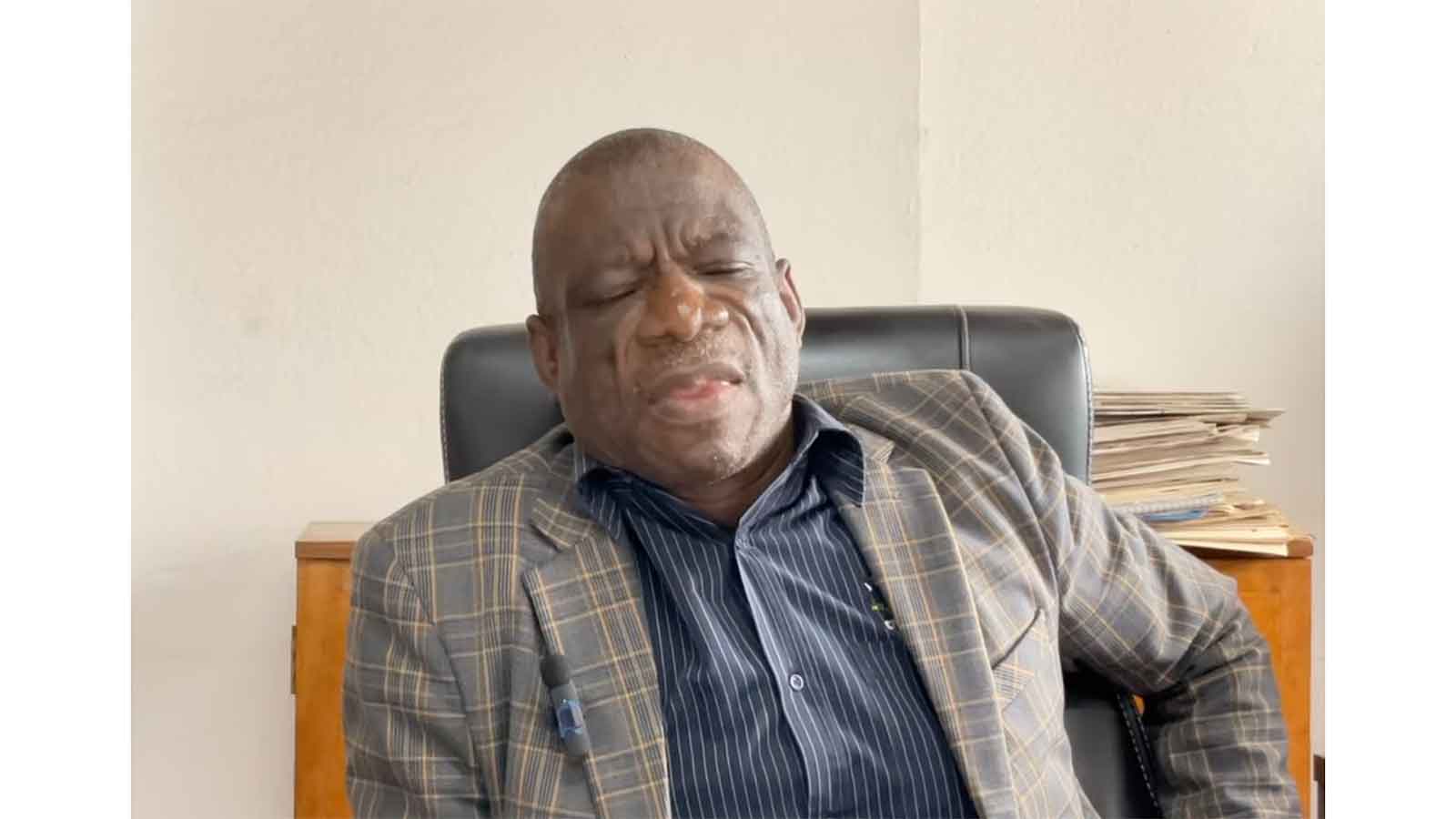
This was said by HCC acting Director of Public Planning, Mr Samuel Nyabezi, at a meeting with the Parliament’s Portfolio Committee on Energy and Power Development at Town House.
The meeting follows petitions by members of the public on the sprouting of fuel stations, some in residential areas, posing a fire risk to residents.
“We now require that the applicant for a service station install a billboard on the property. The billboard will state the nature of the application, the diagrams about the application, in this case the diagrams for the service station.
“On the billboard, we will also advise the public and the neighbours to submit any objections or representations that they may have to the local planning authority.
“Thereafter, we will listen to any objections or submissions that may come from the neighbours, the public and the other experts because we also circulate the application to various stakeholders. We thoroughly interrogate the application before it is concluded,” he said.
Mr Nyabezi added that the new policy also bans the establishment of new service stations within 1,5 km of each other.
“It’s a recent policy which says that no self-station should be established within one and a half kilometres of each other. It also gives the minimum sizes for a self-station, which happens to be 2 000 square metres, so that we allow service stations to be built together with ancillary structures which may accompany the service station,” he added.
He also said before any construction work starts, one must submit an environmental impact assessment report or study approved by the Environmental Management Authority and other conditions approved by the Zimbabwe Energy Regulatory Authority (ZERA).
“We also insist on minimum distances, especially for those service stations which are close to residential neighbours. There are minimum distances that we will require for where structures can be built, at the minimum distance between a residential building and the self-station structure.
“We also insist on certain walls that should be built by the service station owner if the service station shares boundaries with residential properties,” he added.
Mr Nyabezi assured the Committee that they had doubled their efforts in scrutinising new applications and consultations with various stakeholders, including local communities.
Acting Chairperson of the Committee, Engineer Lesley Mhangwa, said their verification visits were meant to address concerns by the public.
“We are on verification visits across the country to get first-hand information on concerns raised by the public to ensure that safety issues are addressed and others that the service station operators may have,” he said.