Tinaye Agere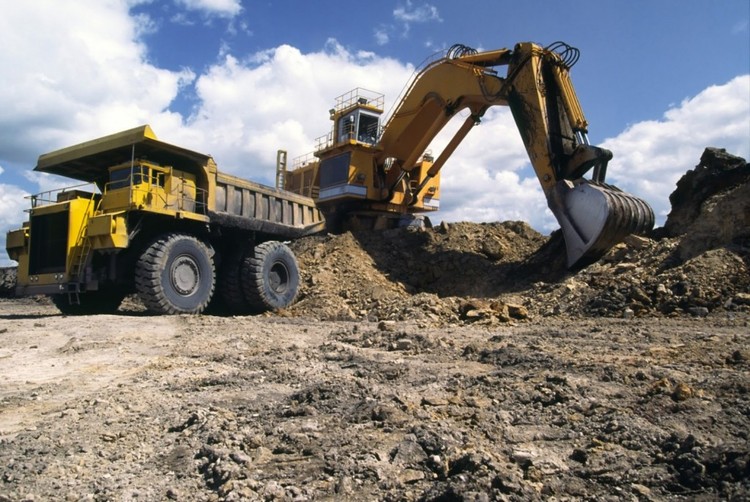
Online Reporter
THE Government has banned all alluvial mining operations with immediate effect and individuals or companies found carrying out such activities will be fined not less than US$5 000 or face up to 12 months in jail, according to new regulations gazetted recently.
The new law (Statutory Instrument 188 of 2024) has also ordered those in possession of riverbed and alluvial mining permits and licences to immediately stop operations.
Cabinet in August gave a directive to outlaw riverbed mining.
“No person shall, with effect from the promulgation of this section, conduct alluvial mining activities or carry out prospecting for alluvial deposits in or along any river or public stream (as that term is defined in Section 2(1) of the Water Act [Chapter 20:24])…,” the new law reads in part.
The ban on alluvial mining will have no exceptions, as even holders of special permits or environmental impact assessments will not be spared.
“… whether or not— (a) they are in possession of — (i) a special grant; or (ii) an express written authority of the Minister responsible for administration of the Act granted under exceptional circumstances in terms of Statutory Instrument 92 of 2014; or (iii) an Environmental Impact Assessment as required by Section 97 of the Environmental Management Act that authorises the alluvial mining in question; or (iv) any authority, permit or licence whatsoever under whatever enactment issued that purports to authorise alluvial mining activities or prospecting for alluvial deposits; (b) they are implementing an Environmental Management Plan pursuant to an EIA referred to in paragraph (a) (iii),” the SI says.
Any special permits or licences that were valid before the new law came into effect are also now invalid.
Further, the new law empowers authorities to confiscate equipment, machinery or vehicles used for alluvial mining until the case is concluded before the courts.
This applies even if the owner of the equipment didn’t know it would be used for illegal mining.
Yesterday, Environment Management Agency (EMA) spokesperson Ms Amkela Sidange referred questions to the Permanent Secretary in the Ministry of Mines and Mining Development, Mr Pfungwa Kunaka.
In a brief response to The Sunday Mail’s questions, Mr Kunaka said: “First and foremost, there was a need for a legal framework (to ban illegal mining) … the Ministry of Environment (Climate and Wildlife) and EMA have come up with a Statutory Instrument (for that).”
Zimbabwe Miners Federation chief executive officer Mr Wellington Takavarasha said: “I need to comprehensively study the document …”
In a post-Cabinet briefing on August 20, Cabinet noted that “ever since its commencement in 2011… large-scale and mechanical alluvial mining or riverbed mining has resulted in water pollution, siltation, degradation of river channels and disruption of riverine ecosystems.”
Alluvial mining, which involves extracting minerals from riverbeds and floodplains, is understood to pose danger to the environment and human health.
The use of mercury and other chemicals to extract gold in alluvial mining often contaminates local water supplies.
Previously, the Environmental Management (Control of Alluvial Mining) Regulations, 2014, restricted alluvial mining activities near water bodies and required an Environmental Impact Assessment for any such projects.
Recent amendments had further tightened controls and imposed a ban on the use of mercury and cyanide.



 Online Reporter