Online Reporter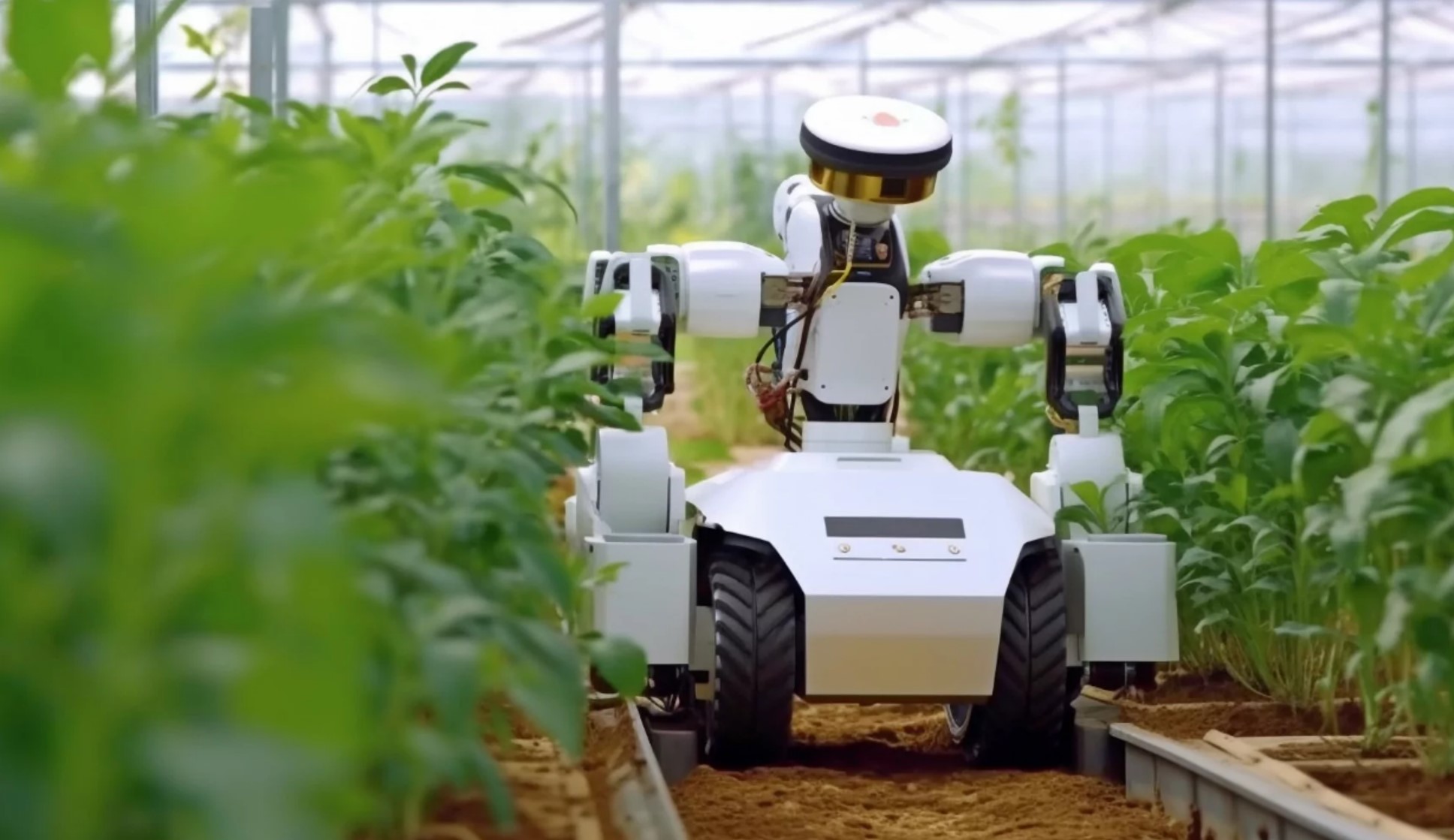
Godfrey Nyoni
ARTIFICIAL INTELLIGENCE (AI) is becoming one of the most influential technologies shaping modern societies.
Across the world, AI is changing how businesses operate, how governments deliver services and how people interact with digital systems. Zimbabwe is also beginning to experience this transformation.
AI technologies are slowly appearing in sectors such as banking, agriculture, education and cybersecurity.
These developments bring opportunities for efficiency, innovation and economic growth.
However, as the country moves towards wider adoption of AI, an important question must be considered carefully: how can Zimbabwe use artificial intelligence safely?
Like many powerful technologies, AI can bring benefits, but when used carelessly it can also create risks such as job displacement, privacy violations, misinformation and cybercrime.
To gain the advantages while avoiding these dangers, Zimbabwe must adopt AI thoughtfully and responsibly.
Using AI safely does not mean avoiding the technology or slowing down innovation.
Instead, it means ensuring that AI systems are designed, deployed and managed in ways that protect people and support society.
Safe AI systems should protect personal information, support human decision-making, reduce unfair bias, prevent misuse by criminals and contribute positively to social and economic development.
For Zimbabwe, this means building technological systems that serve citizens while maintaining transparency, accountability and trust.
When people trust the systems around them, technology becomes a tool for progress rather than a source of fear or uncertainty.
One of the most important foundations of safe AI is strong data protection.
Artificial intelligence systems rely heavily on data to function.
They analyse large amounts of information, including financial records, health data, customer behaviour and digital communication patterns, to identify trends and make predictions.
If this information is not properly protected, it can be stolen, leaked or misused.
Zimbabwe has already seen examples of mobile money scams, identity theft and data leaks from online services.
As AI systems collect even larger volumes of information, the importance of protecting that data becomes greater.
Organisations that adopt AI must ensure that their data storage systems are secure, that only authorised individuals can access sensitive information and that cybersecurity measures are strong enough to prevent digital attacks.
Without strong cybersecurity, AI systems can become attractive targets for criminals.
Another key principle for safe AI use is maintaining human oversight.
AI can analyse complex information much faster than humans, but it does not truly understand the context of every situation.
Algorithms can misinterpret data, make incorrect predictions or unintentionally reinforce existing biases in society.
Because of this, organisations should avoid giving machines complete authority over important decisions.
If AI is used in areas such as loan approvals, job recruitment or medical diagnosis, human experts should always review the final outcome before decisions are implemented.
AI should be viewed as a tool that assists professionals rather than a system that replaces responsible human judgment.
Keeping people involved in the decision-making process ensures that technology supports ethical and fair outcomes.
Clear laws and regulations are also essential for safe AI adoption.
As the technology becomes more common, governments must establish rules that guide how organisations develop and deploy AI systems. Without proper regulation, companies might introduce AI solutions without fully considering issues such as privacy, fairness or accountability. Zimbabwe has an opportunity to create policies that address responsible AI development, protection of citizens’ data, ethical use of digital surveillance technologies and transparency in automated decision-making systems.
When regulations are clear, organisations know what standards they must follow and citizens gain confidence that their rights are protected.
Building local skills and expertise is another critical step towards safe AI adoption.
If Zimbabwe depends entirely on foreign technology providers, the country may lose control over important systems and the data they process.
Developing local talent allows Zimbabweans to understand, maintain and improve the technologies that support their economy and public services.
Universities, technical colleges and training institutions can contribute by offering courses in fields such as data science, machine learning, artificial intelligence and cybersecurity.
As more professionals gain these skills, Zimbabwe will be better equipped to develop solutions that address local challenges and reflect the realities of the country.
Public awareness also plays a crucial role in safe AI adoption.
Many people hear about artificial intelligence but do not fully understand how it works or how it affects their lives.
This lack of knowledge can lead to unnecessary fear, unrealistic expectations or blind trust in automated systems.
Educating the public about AI helps people understand how their data is used, how automated decisions are made and how to recognise AI-driven scams or misinformation.
When citizens understand technology, they are more capable of protecting themselves and contributing to discussions about digital policies and national development.
Encouraging responsible innovation is another way Zimbabwe can use AI safely.
Instead of adopting technology simply because it is fashionable, the country should focus on AI solutions that address real national challenges. Artificial intelligence can help farmers by analysing weather patterns and predicting crop diseases, allowing them to make better decisions about planting and harvesting.
In the financial sector, AI can help banks detect suspicious transactions and prevent fraud.
Hospitals can use AI tools to assist doctors in analysing medical images and improving diagnostic accuracy.
Schools can also benefit from digital learning systems that adapt to students’ needs and support teachers in delivering more effective lessons. When innovation focuses on solving practical problems, technology becomes a driver of development.
Safe AI development also requires cooperation between multiple sectors of society.
Governments, private companies, universities and civil society organisations all have important roles to play.
Government institutions establish regulations and policies that guide responsible technology use.
Businesses develop practical solutions that improve services and productivity.
Universities contribute research and training that build knowledge and expertise.
Civil society organisations can advocate for ethical practices and ensure that citizens’ rights are respected.
When these groups collaborate, they create a balanced ecosystem that encourages innovation while protecting society from potential harm.
Preparing for the future is essential because artificial intelligence continues to evolve rapidly.
Each year new systems become more powerful and more capable of performing complex tasks.
If Zimbabwe begins preparing now by strengthening data protection, building local skills and establishing clear policies, the country will be in a stronger position to benefit from AI while avoiding many of the problems that have emerged in other regions.
Technology itself is not dangerous; the real risks appear when powerful tools are used without careful planning, oversight or responsibility.
Artificial Intelligence offers Zimbabwe many opportunities to improve economic growth and public services.
It has the potential to strengthen agriculture, modernise financial systems, improve healthcare delivery and expand educational opportunities. However, these benefits will only be realised if the technology is used carefully and responsibly.
Safe AI adoption requires strong cybersecurity systems, clear legal frameworks, skilled professionals, human oversight in decision-making and widespread public awareness.
The goal for Zimbabwe should not simply be to adopt artificial intelligence as quickly as possible.
Instead, the country should focus on adopting it wisely, ensuring that technological progress supports national development while protecting the rights and wellbeing of citizens.
When innovation is guided by responsibility and long-term planning, AI can become a powerful tool for building a stronger and more secure future.
For feedback on this article, please contact: +263786526527