admin
adminNigeria’s fuel regulator announced on 1 January the end of the subsidy as part of efforts to cut government spending and weed out corruption in downstream oil industries, which it hopes will encourage more foreign investment in local refining.
Petrol prices have more than doubled to around 150 naira ($0,93) per litre and protests have erupted across the nation.
Trade unions have said they will begin an indefinite general strike from today, including workers in Africa’s largest energy sector. Industry sources do not expect strikes to significantly affect crude exports.
“If I were in your shoes at this moment, I probably would have reacted in the same manner as some of our compatriots, or hold the same critical views about government,” Jonathan said in a statement, his first official comment on subsidies since the policy was announced.
“The deregulation of the petroleum sector is a necessary step that we had to take. I want to assure every Nigerian that whatever pain you may feel at the moment will be temporary.”
Nigeria produces more than 2 million barrels per day of crude oil but almost all of this is shipped to the United States, Europe and Asia. Nigeria has to import its refined fuel, like petrol and diesel, because decades of mismanagement and corruption mean its refineries are in disrepair.
Economists say the subsidy encouraged corruption and waste and handed over billions of dollars of government cash to a cartel of wealthy fuel importers.
The government estimates it will save 1 trillion naira ($6,21 billion) this year by eliminating it.
Most people in Nigeria live on less than $2 a day and view cheap fuel as the only benefit they get from living in an oil-rich state. Critics say wealthy politicians should have found savings within government and tackled oil industry corruption before imposing costs on the public.
Jonathan said he understood the problems of corruption and the high cost of government, which were being addressed. “We are all greatly concerned about the issue of corruption. The deregulation policy is the strongest measure to tackle this challenge in the downstream sector.”
“To save Nigeria, we must all be prepared to make sacrifices. On the part of government, we are taking several measures aimed at cutting the size and cost of governance.”
He said this year the basic salaries of all politicians in the executive arm of government will be reduced by 25 percent. This does not include members of parliament, whose salaries make up a large portion of government spending.
Jonathan said all overseas travel by politicians will be reduced to the bare minimum and the size of delegations on foreign trips will be cut. He also said overlapping committees and departments will be looked at to reduce costs.
Jonathan’s critics say he is guilty of wasting money on committees and dozens of special advisers. He is also under fire for failing to rein in almost daily attacks by an Islamist sect in the northeast of Nigeria. – Afp.


Online Reporter
- Chronicle , SundayNews
- September 23, 2026
- 22 views
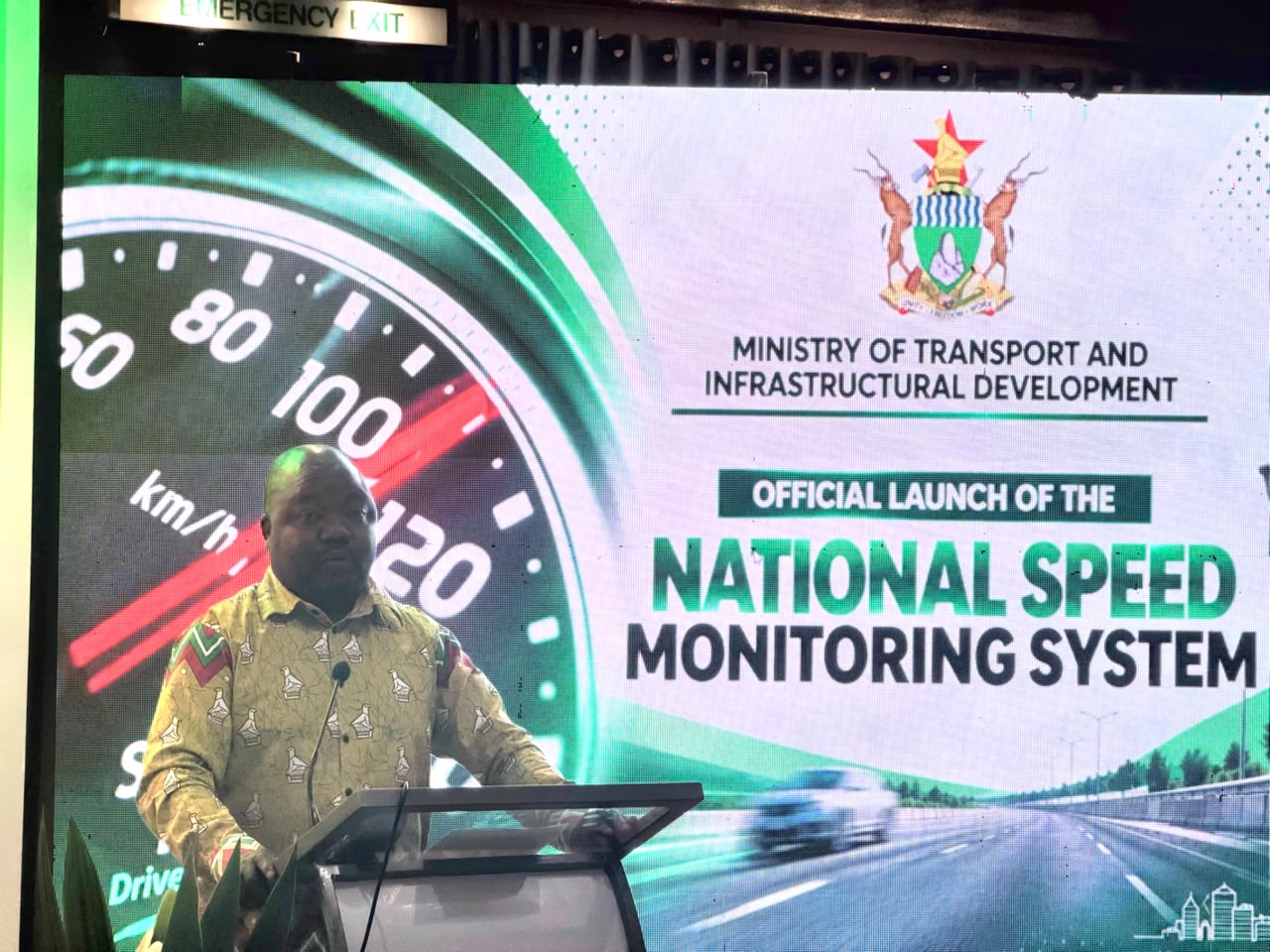
Speed monitoring system launch boosts digital economy drive
Mthabisi Tshuma [email protected] THE launch of the National Speed Monitoring System (NSMS) is part of Government’s drive to build a digital economy by using artificial intelligence and other emerging technologies…