Online Reporter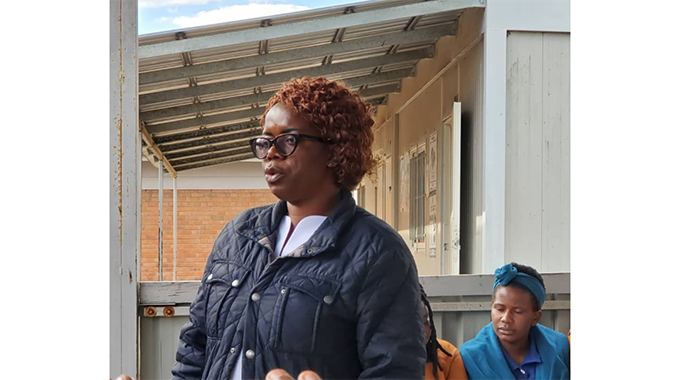
Wendy Nyakurerwa-Matinde
For too long, stigma and discrimination have cast a shadow over healthcare, particularly for vulnerable populations like sex workers.
This narrative is changing dramatically, thanks to an initiative spearheaded by the Ministry of Health and Child Care, in collaboration with the National AIDS Council.
Imagine a bustling community where healthcare is not just a right but a safe haven.
Night clinics—mobile health units operating from 6pm to 10pm— have been designed to reach those in need in an environment where they feel comfortable.
These clinics have set up shop in hotspots like the Zoma mining area and Chompski in Gutu, as well as Jerera in Zaka, transforming the way healthcare is delivered.
They serve as a lifeline, offering a welcoming and discreet environment for sex workers to seek medical care without fear of judgment.
“Many sex workers feel uncomfortable seeking help during the day due to stigma,” shared Sister Farirai Dambarwa, the focal nurse at Zaka Rural Hospital.
“By meeting them at night, we can address their health needs more effectively.”
Manned with health professionals from Gutu Rural Hospital and Zaka’s Jerera Satellite Clinic, the night clinics offer a comprehensive range of services, including screenings for sexually transmitted infections (STIs), reproductive health counselling, pre-exposure prophylaxis (PrEP) distribution, antiretroviral support and general health check-ups.
The response from the community has been remarkable.
Sister Rejoice Makuzva, the focal nurse at Jerera Satellite Clinic noted, “Many women have expressed relief knowing they can receive care without judgment. The increase in people seeking services speaks volumes.”
The clinics are not just about treatment, they aim to educate and empower.
By addressing the heightened risk of STIs and other health issues among sex workers, these initiatives foster a culture of preventative care.
The night clinics have already witnessed a surge in attendance, prompting plans for expansion to other areas facing similar challenges.
“Our goal is to create a sustainable model that can be replicated elsewhere,” Sister Makuzva said.
“We believe that every individual deserves access to quality healthcare.”
In a world where stigma often silences the voices of the vulnerable, the night clinics shine brightly as a testament to innovative thinking and the unwavering commitment to public health.
They remind us that healthcare should never be confined to the daylight—it belongs to everyone, at any hour.