Online Reporter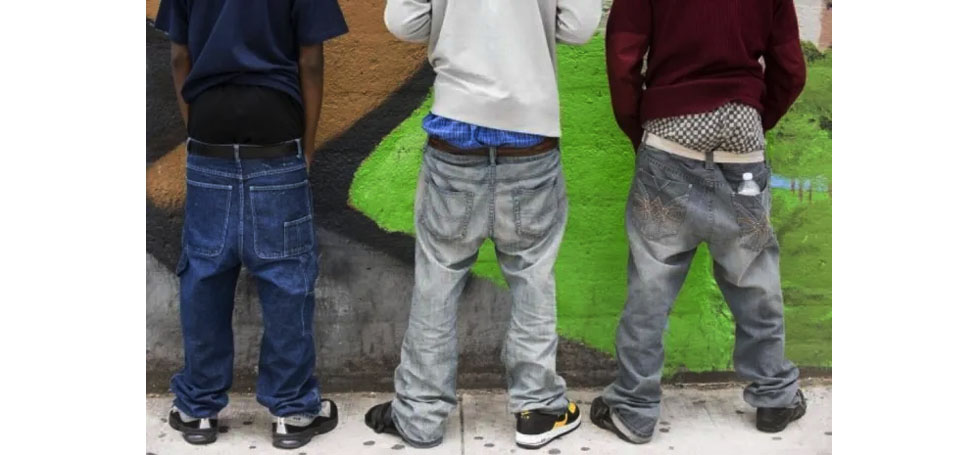
Rodgers Irimayi
Cultural Perspectives
WHEN any behaviour or practice that was once considered unusual or unacceptable is normalised, it can effect a change in cultural values and norms.
There are several behavioural characteristics such as hugging, kissing and curdling in public that are increasingly practiced by youths today.
These are some of the manners that are in conflict with culturally acceptable behavioural standards in our communities.
It is common knowledge that cultures differ, but there are certain common behaviours that underline African ways of living even when considering social interactions.
While the Western life might accept public displays of affection between members of the opposite sex such as kissing or holding hands, in most African cultures it may be considered inappropriate or abominable.
It is the same with physical contact such as hugging or touching someone’s head, it may be considered invasive or unacceptable.
The composition of a family and relationships has been considered straight as most of the African societies do not accept same-sex relationships.
In some First World countries, marriages of this type are acceptable, but in Zimbabwe, same-sex relationships are considered as taboo and abominable.
Government disapproves practices of homosexuality.
Although it is alleged some people do it in private especially in prisons, colleges and universities, it is a criminal offence to be in same-sex relationships and families do not permit it, and it is a punishable offence.
Arranged marriages may be seen as old-fashioned or unacceptable, but in some sections of our societies some families still practice it.
Some of these arranged forced marriages occur when one or both parties are coerced into the marriage without their consent.
It could be done as part of family compensation of a murdered person (kuripa ngozi).
The basic belief is that the spirit of a murdered person comes back to torment the families of the person who participated in the murder.
To calm the avenging spirit, a girl is expected to be given as part of other demands which might include cash and several beasts.
The Government has since banned the offering of girls as ngozi appeasement tokens.
Dress code is another concern where certain types of clothing or dress may be viewed as unacceptable or immodest in certain circles.
Some male youths these days drop their trousers to almost knee level which is inappropriate.
On the other hand, their female counterparts dress in clothes that expose parts of their bodies.
The African way frowns upon such dressing, but it has become normal to those who practise it.
Interactions of youths with others from diverse background tend to pollute their home grown norms and values.
Some food and drinking habits are considered unacceptable in certain cultures, but the setup of some settlements might put some people in awkward environments where they live together.
Food and drinking habits can be closely tied to cultural identity and tradition.
Excessive drinking or drinking in public is viewed as unacceptable in most cultures as it affects relationship with others socially and might even affect academic or performance at workplaces.
In some religious cultures, such as Islam and Christianity, alcohol is prohibited or discouraged.
It is not proper to force oneself on others to accept such habits that contradict their ways of life.
Tattoos and body modification are viewed as unacceptable or taboo in some sections of communities.
In some industries or professions, visible tattoos or body modification may be viewed as unprofessional.
In some belief systems, the body is considered a temple, and tattoos or body modification may be seen as defiling it.
Attitudes towards tattoos and body modification are evolving, with increasing acceptance in many cultures.
It is essential to recognise that cultural norms and values can vary greatly, and what is considered abnormal or unacceptable in one culture may be perfectly acceptable in another.
The normalisation of abnormal behaviours or practices can erode traditional cultural values and norms.
As cultural norms and values change, individuals may lose touch with their original cultural heritage and identity.
The role of the media is significant in normalising abnormal behaviours or practices.
What youths watch and listen to through the radio, television and other social media platforms can amplify and normalise certain behaviours or practices.
It is therefore important to use these platforms responsibly in educating youths about their cultural heritage and values to preserve their cultural norms and values.
Rodgers Irimayi is the Ministry of Information, Publicity and Broadcasting Services Masvingo Provincial Information Officer. He writes in his personal capacity and can be contacted on +263778246098 or rodgers [email protected].