Online Reporter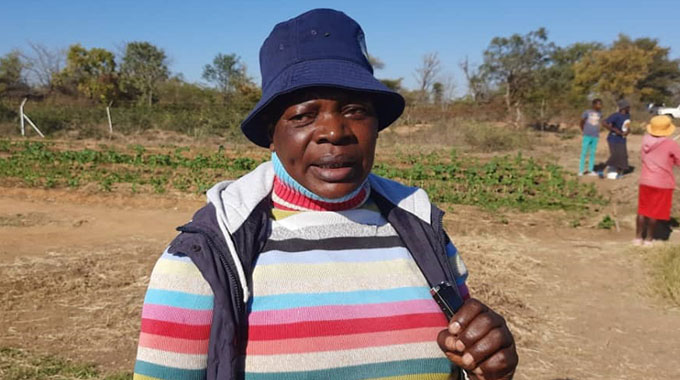
Robin Muchetu, Health and Gender Editor
COMMUNITY nutritional gardens in Nkayi District, Matabeleland North Province, are transforming the lives of HIV-positive villagers by improving diets, fostering unity, and economically stabilising livelihoods, as many now sell surplus produce to nearby communities.
The gardens are part of a Government initiative aimed at alleviating poverty and enhancing dietary standards in rural areas. In Nkayi, the Back to Life Nutritional Garden in Mantoni Village is a shining example. Supported by the National Aids Council, the garden also serves as a platform for disseminating HIV-related information within the community.
Mrs Noliwe Ndlovu, chairperson of the Back to Life Support Group — comprising HIV-positive community members — said the gardens have not only provided food security but also created a safe space for support groups.
“Our support group started in 2004, when HIV was a major problem in our communities. Initially, there were just ten of us, but now many have joined and more community members have tested and come to know their status.
“We assist each other with garden maintenance, especially when someone is unwell. Over time, government partners have supported us by fencing the garden and expanding it to include the wider community, not just those with HIV.”
Mrs Ndlovu emphasised the importance of balanced nutrition for people living with HIV, noting that the garden has significantly improved health outcomes.
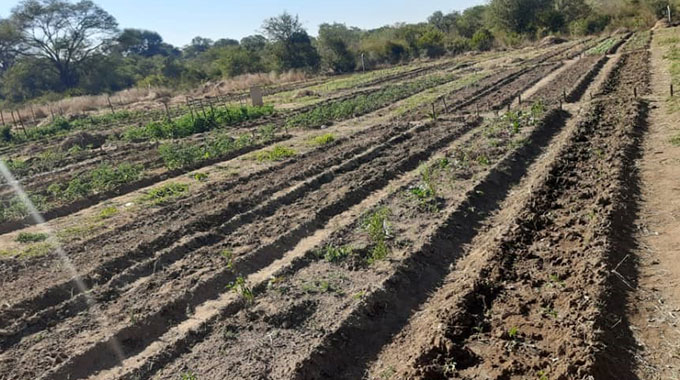
The garden produces a variety of vegetables — including leafy greens, tomatoes, onions, carrots, and beetroot — as well as staples such as maize, sweet potatoes, and beans. These are used for household meals and sold to generate additional income.
Support groups also promote acceptance of HIV status as a coping mechanism, encouraging resilience and adherence to treatment.
“Living with the virus isn’t the end of the world. We promote treatment adherence because it prolongs life. We want everyone to participate fully in programmes that support them, regardless of their status. Our community gardens help us ensure balanced nutrition. If one of us is unwell, we weed and water their garden plots — symbolising our unity and commitment to ensuring food security for all,” said Mrs Ndlovu.
However, beneficiaries have raised concerns about water scarcity, as the garden shares a water source with the local school and wider community.
“We share this water with the school, which has roughly 1 800 students, and the community. In the dry months, like August, water becomes scarce, reducing the land we can cultivate.
“We have an old borehole, drilled decades ago, which is not currently operational. We wish to rehabilitate it and install solar-powered systems to increase water availability for our gardens, the school’s feeding programme, and other needs,” said Mrs Ndlovu.
She said that a rehabilitated borehole would significantly boost productivity and support plans to expand produce sales, helping families pay for school fees, clothing, and other essentials.
The community also hopes to revive a goat-rearing project, which was halted after 46 goats were stolen. A reliable water supply is essential for this initiative as well.
Beyond food security, the garden has had a positive social impact, particularly in reducing gender-based violence by empowering women economically.
“Women now earn daily income from their garden sales, which reduces their dependence on husbands and the domestic disputes that sometimes lead to violence. We sell our produce at Nkayi Centre and beyond, gaining financial independence and improving our livelihoods,” said one beneficiary.
The Government is working closely with Rural District Councils to ensure all villagers benefit from nutritional gardens. It is also drilling boreholes and installing solar-powered systems to enable irrigation, as part of the Presidential Borehole Drilling Scheme, which targets 35 000 villages.


 derick.khumalo