Online Reporter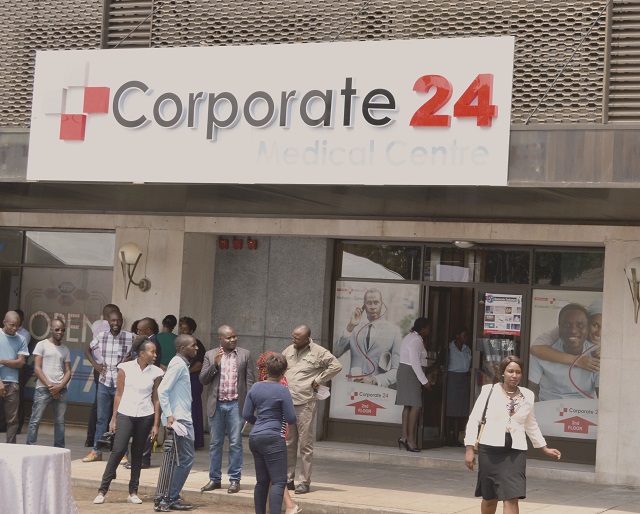
Amos Mpofu, Sunday News Correspondent
HEALTHCARE service providers, particularly pharmacies, radiology and laboratory services in Bulawayo have been urged to operate around the clock, to enable patients in emergencies to access life-saving care at any time.
In Bulawayo, no pharmacy remains open past midnight as most outlets close their doors between 10.30pm and 11.30pm.
That leaves patients in dire emergencies without access to essential medication or diagnostic services.
Diagnostic services like laboratories for blood tests and other specimens are also not easily available for patients on a 24-hour basis, despite emergencies occurring around the clock.
Public hospitals also do not have some of these services 24 hours a day.
“Patients, who require urgent medical attention in the middle of the night often have nowhere to turn to,” said a local resident, Mrs Duduzile Mangena, from Famona suburb.
“Health services are essential at any hour of the day, especially considering the prevalence of life-threatening conditions like diabetes, high blood pressure and sudden accidents.
“Emergencies occur anytime. It would be a great relief for everyone if health services were available 24/7.”
This gap in service can mean the difference between life and death in critical situations. If a hospital refers a patient for medication, scans, X-rays or laboratory tests at night, there is often no available provider.
Corporate 24, a private hospital in Bulawayo, has, however, taken a proactive step by launching full 24-hour operations across all its departments including a pharmacy, radiology and laboratory.
Head of marketing at the hospital, Mr Vusi Moyo, said the decision was driven by patient needs.
“From the start, our hospital admitted patients and always had a doctor on standby. But services like the pharmacy, laboratory and radiology were closed at night,” he said.
“This meant that even if a patient arrived during an emergency, say after a road accident or an asthma attack, the doctor could not proceed with treatment without vital diagnostic support. We often referred patients elsewhere, but most facilities were already closed. It was putting lives at risk,” he said.
Mr Moyo said they spent considerable time planning how to expand all their institutional operations to 24 hours without compromising service quality.
“We did not just want to open the doors, we had to ensure full staffing in each department overnight. It was not easy and it required substantial investment, but we now have a functional night crew for the pharmacy, laboratory and radiology departments,” he said.
He said that the move to operate 24-hour services is not for commercial purposes.
“Operating at night doesn’t make a lot of business sense in terms of profit. Sometimes it is quiet. But we are doing this for patient care. It’s not just about revenue, it’s about fulfilling a community need and saving lives at any given change,” Mr Moyo added.
A pharmacist in Bulawayo, who wished to remain anonymous confirmed that financial viability is a major barrier for many pharmacies to implement the 24-hour operations.
“Business is extremely slow at night. To operate overnight, you need more staff, extra security and many other requirements. It’s simply not sustainable for many smaller pharmacies, especially in Bulawayo where business viability gets very poor at night,” the pharmacist said.
Still, the public’s need remains urgent and undeniable. Bulawayo, like many growing urban centres, is seeing an increase in health emergencies and road traffic accidents, many of which occur late at night or in the early hours of the morning with limited-service providers to augment that.
With that, residents have urged healthcare providers to lead and consider the broader implications of limited night-time access to care.
The call is not only for pharmacies but for radiology centres, laboratories and clinics to consider restructuring their operations in line with the changing health landscape.